In this guide
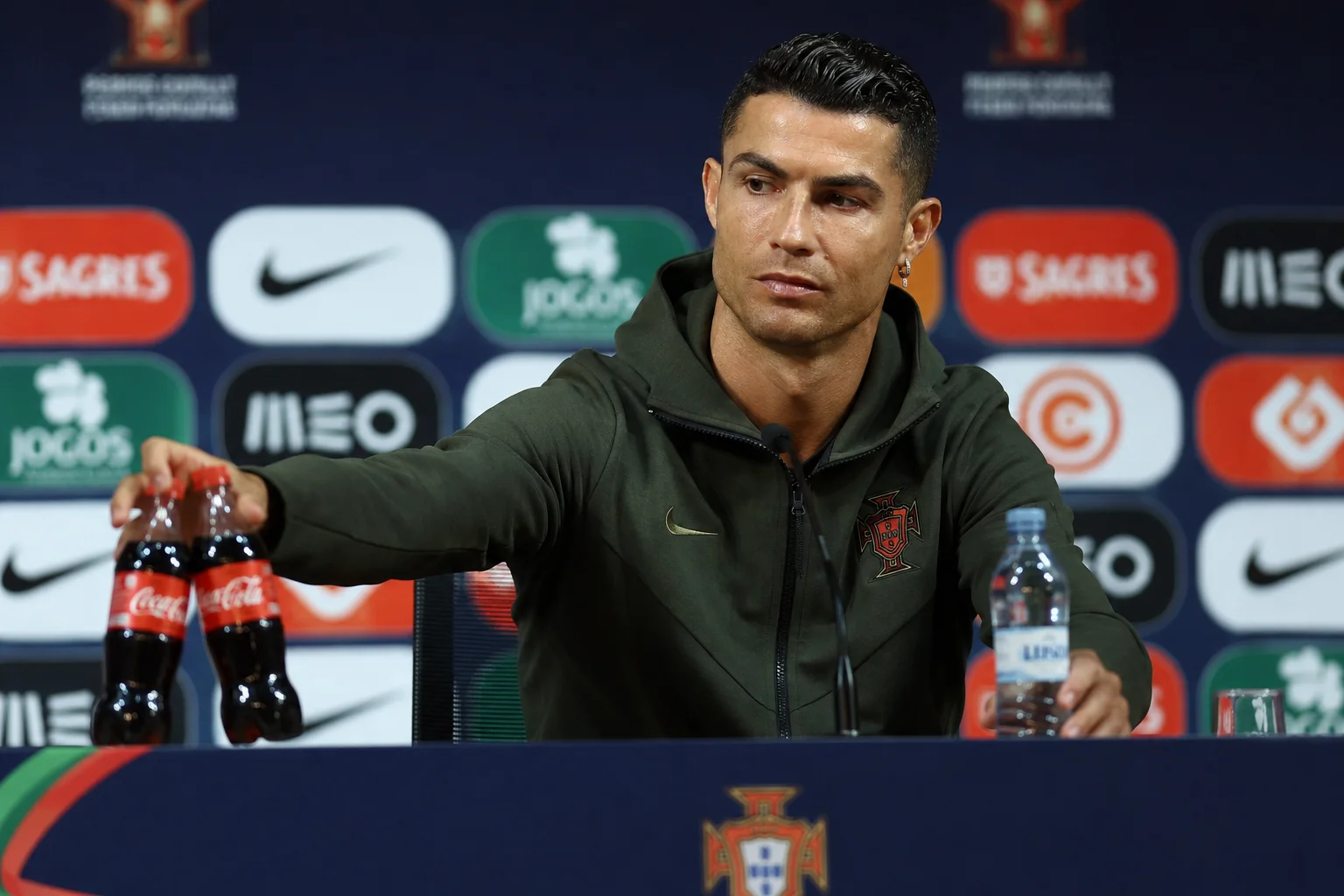
Five claims you have heard, and what the evidence saysLisbon, 2003: the teenager Sporting sold for half priceOld Trafford, first time around: building an £80m assetMadrid, 2009 to 2018: record revenue and the shirt-sales mythTurin: the €100m bet that broke the balance sheetUnited, second time around: record sales, falling incomeRiyadh: the Saudi gamble that made him a billionairePortugal: a one-man broadcast eventNike, CR7 and 650 million followers: where the money isAirports, museums and Vision 2030: the spilloverBefore, with, without and after Ronaldo: the four scenariosWhat the forums say: the PR has stopped workingHow we measured Ronaldo's economic impactFAQsIn June 2021, Cristiano Ronaldo sat down at a Euro 2020 press conference, moved two bottles of Coca-Cola out of shot, held up a bottle of water and said one word: agua. Within hours, the headlines claimed he had knocked four billion dollars off Coca-Cola's market value with a single gesture. It is a brilliant story. It is also wrong.
Coca-Cola's share price was already sliding before he touched a bottle, on a day the whole US market traded down and the company went ex-dividend, which is a day when share prices mechanically adjust lower. The drop had nothing to do with him. That gap, between what Ronaldo is said to do to an economy and what audited numbers actually show, is the entire point of any honest look at the Cristiano Ronaldo economic impact.
He is football's first billionaire, with a net worth of $1.4bn on the Bloomberg Billionaires Index as of October 2025, and a one-man attention machine who demonstrably lifts shirt sales, share prices, viewership and crowds. Yet several of the clubs that bought him as a late-career footballer lost money, because his wages dwarf merchandising income and a club keeps only a small slice of every replica shirt sold. Attention value and club profit are not the same thing, and most of the famous Ronaldo economics stories blur the two.
Five claims you have heard, and what the evidence says
| The claim | The popular version | What the data shows |
|---|---|---|
| Coca-Cola "lost $4bn" | One bottle-moving gesture wiped $4bn off Coca-Cola | The stock was already falling before the press conference, on an ex-dividend day with the wider market down. Coincidence, not cause. |
| Shirt sales "recoup the fee" | His jersey sales pay back whatever the club spent | Clubs keep only about 7 to 15 per cent of replica revenue. Manchester United earned less from Adidas with him than without him. |
| He made Real Madrid the richest club | Ronaldo built football's most valuable club | Madrid topped Deloitte's revenue table, but Forbes valued Manchester United higher in 2018. |
| Juventus was a commercial masterstroke | The €100m outlay paid for itself | Net negative: a pre-tax loss above €200m in 2020/21, no Champions League and a later wage dispute. |
| The Saudi numbers prove a revolution | Television up fivefold, crowds transformed | The attendance lift is real and peer-reviewed at about 20 per cent; the headline revenue and TV figures come from Saudi-linked sources and are not audited. |
None of this is a knock on Ronaldo the footballer or Ronaldo the brand. It is a correction to the accounting around him. With that framing set, here is the money story, club by club, from a teenager in Lisbon to a billionaire in Riyadh.
Lisbon, 2003: the teenager Sporting sold for half price
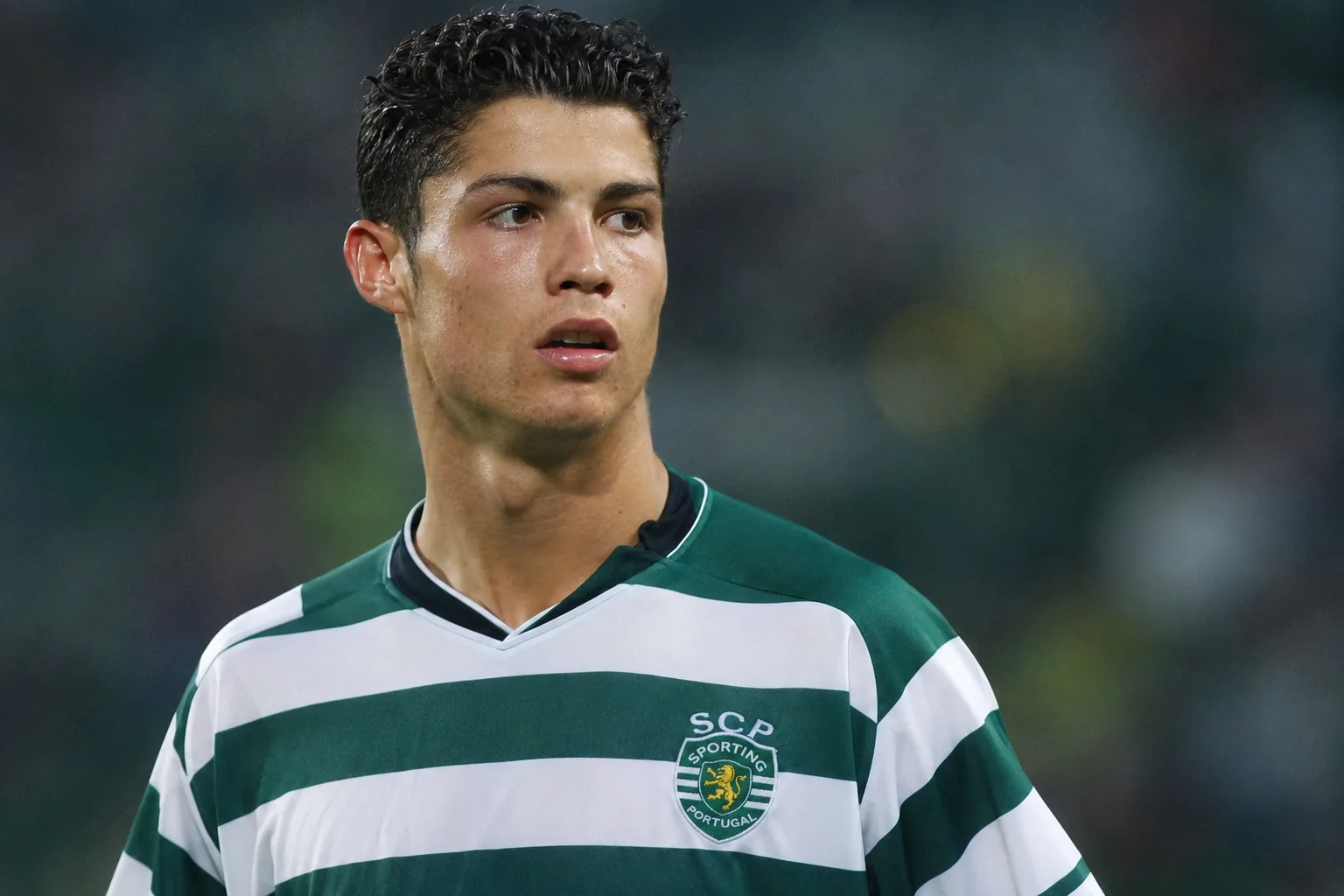
Manchester United paid a reported £12.24m, around €13m, for the 18-year-old Ronaldo in August 2003, making him the most expensive teenager in English football at the time. The deal followed a pre-season friendly to open Sporting's new stadium, after which United's players reportedly urged Sir Alex Ferguson to sign him on the flight home.
The financial lesson is in what Sporting actually banked. Former communications director Carlos Severino told the Portuguese newspaper Publico that the club received only about €8.25m, roughly half the fee, with the rest going to third parties, including a players' fund that had bought 35 per cent of his economic rights as a 16-year-old for about €627,000. Sporting held no sell-on clause, so when Real Madrid paid £80m in 2009, the academy that produced him saw none of it. A superstar can make a selling club's name without making its accounts.
| Year | Move | Reported fee | The financial detail that gets lost |
|---|---|---|---|
| 2003 | Sporting to Manchester United | £12.24m | Sporting banked about €8.25m of the €13m; no sell-on clause |
| 2009 | Manchester United to Real Madrid | £80m | A world record for years; United took the full fee upfront |
| 2018 | Real Madrid to Juventus | about €100m | Plus roughly €12m in fees and around €31m a year in net wages |
| 2021 | Juventus to Manchester United | £12.9m | United's merchandising commission was about £13.1m |
| 2023 | Free transfer to Al-Nassr | nil fee | Reported package up to €200m a year |
| 2025 | Al-Nassr extension | nil fee | Reported at more than $400m tax-free, with a reported 15 per cent club stake |
Old Trafford, first time around: building an £80m asset
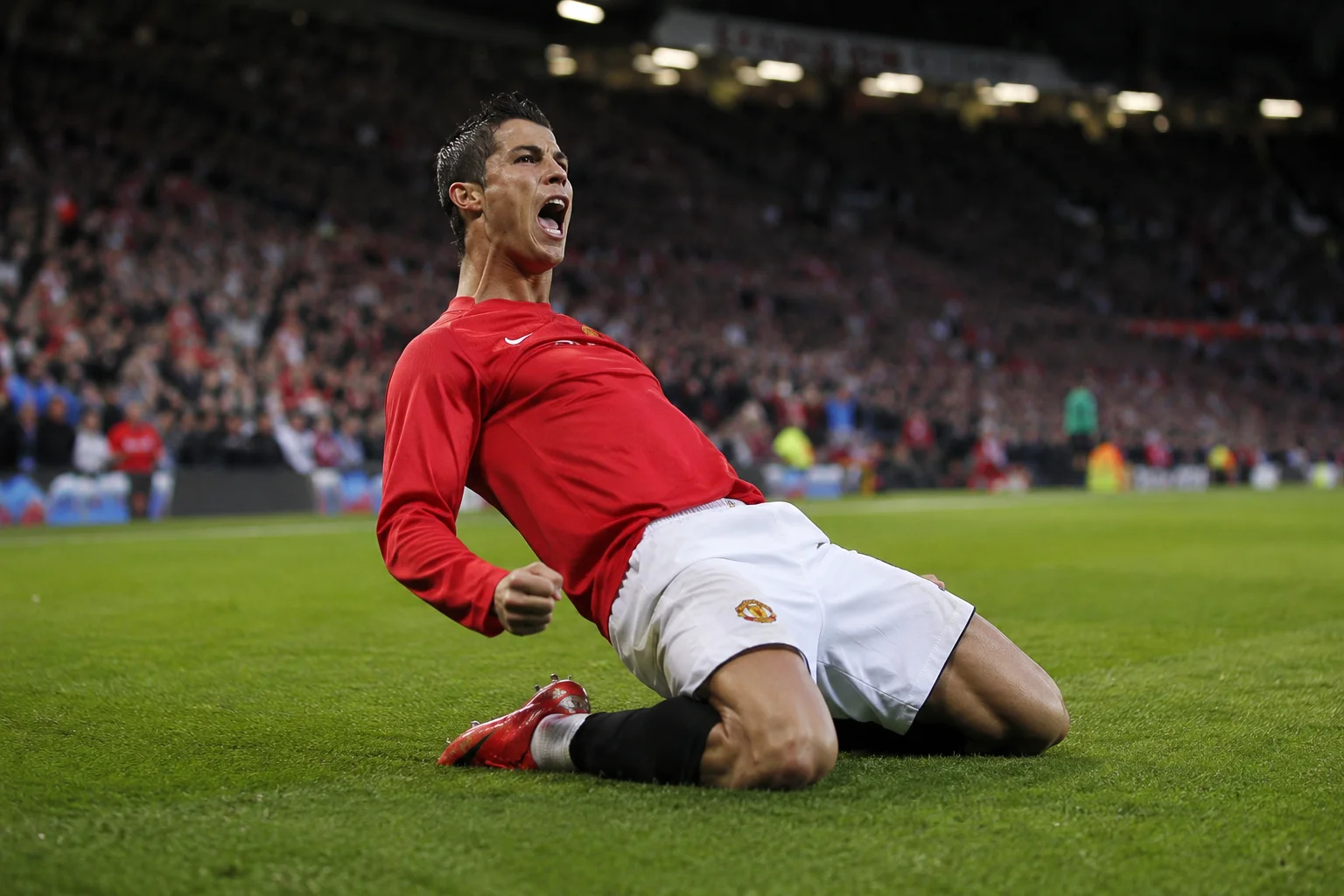
Between 2003 and 2009, Ronaldo grew into the best player in the world, winning three Premier League titles, the FA Cup and the 2008 Champions League before that £80m world-record sale to Real Madrid. This is the one spell where the on-pitch economics are unambiguously positive: United bought a teenager, developed him for six years, won everything, then sold him for more than six times the fee with no sell-on owed to anyone.
It is also where the "Ronaldo built the brand" story is at its most tempting and least precise. United's commercial rise through the late 2000s had many drivers, from Premier League broadcast inflation to global sponsorship growth. Ronaldo was a powerful part of it, not the whole of it. The clean number is the trading profit on the player himself, and that one is real.
WhatsApp channel
Sports news straight to your phone
Match updates, on-sale dates and ticket news from 1BoxOffice.
Madrid, 2009 to 2018: record revenue and the shirt-sales myth
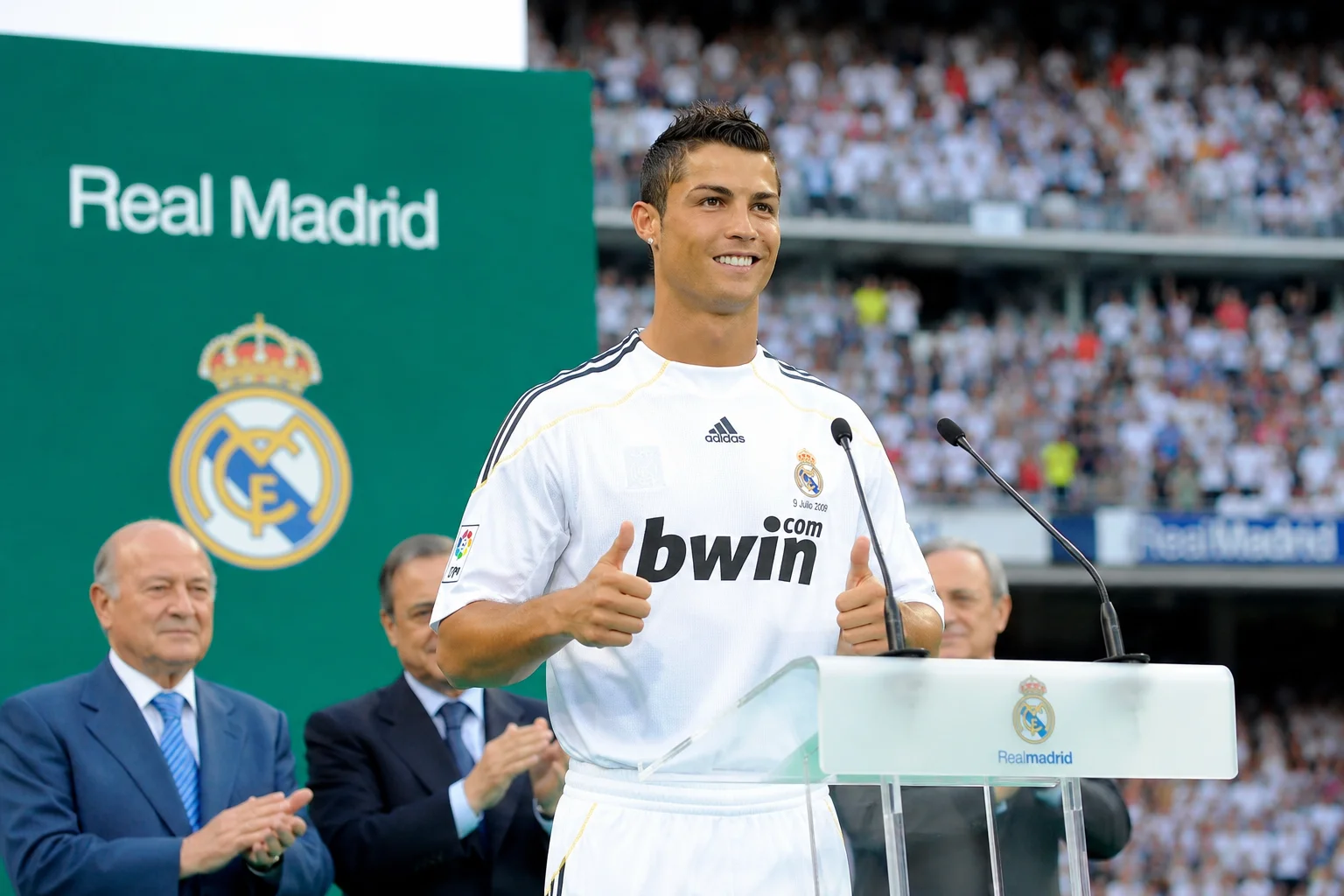
The £80m fee was a world record that stood for years, and it is here that the most durable myth was born: that Madrid "recouped the fee in shirt sales". The club reportedly sold more than three million Ronaldo shirts worth roughly £100 million at retail, but a club keeps only a fraction of that once the kit maker and the player's image-rights deal take their cut. Retail value is not club income, and the two get confused constantly.
The reliable story sits in audited revenue. Real Madrid's annual income rose from €438.6m in 2009/10 to €750.9m in 2017/18 on Deloitte's Football Money League, topping the table. Ronaldo won four Champions Leagues in Madrid, in 2014, 2016, 2017 and 2018, and the prize money alone was substantial. Even so, the common claim that he made Madrid football's most valuable club needs a caveat: Madrid led Deloitte's revenue league, but Forbes valued Manchester United higher that same year. Topping one list is not topping them all.
| Real Madrid measure | Figure |
|---|---|
| Revenue 2009/10 | €438.6m |
| Revenue 2017/18 | €750.9m, a rise of about 71 percent |
| Champions League prize 2016/17 | about €81m |
| Champions League prize 2017/18 | about €88.6m |
| Forbes valuation, June 2018 | $4.08bn, second to Manchester United at $4.12bn |
For context, Madrid's nine seasons with Ronaldo coincided with the strongest commercial period in the club's history, played out in La Liga against rivals including Barcelona. Whether that revenue growth was caused by Ronaldo or merely accompanied him is the attribution problem that runs through this entire subject.
Turin: the €100m bet that broke the balance sheet
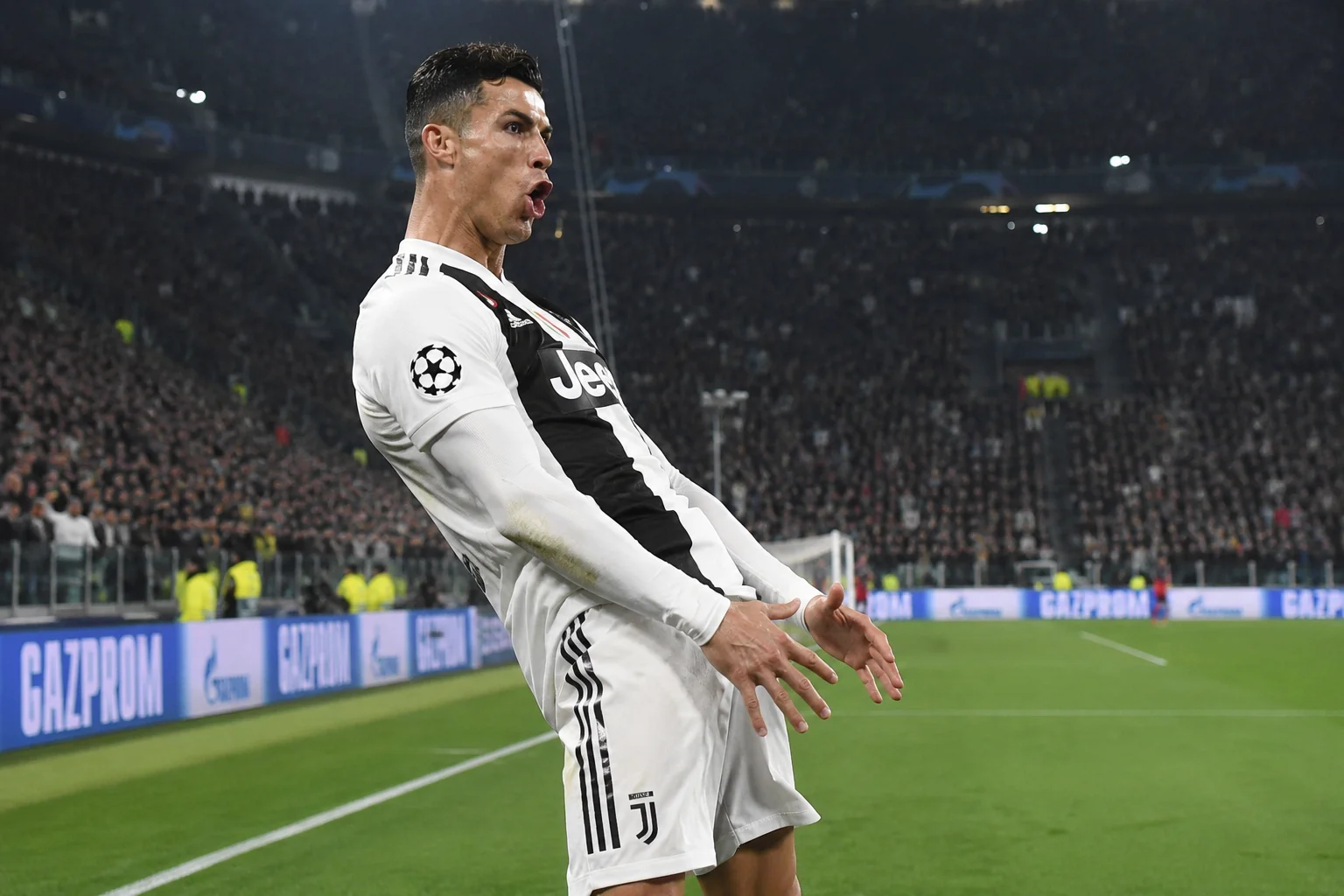
Juventus paid roughly €100m plus about €12m in fees and around €31m a year in net wages, three times the salary of any other player in Serie A at the time. The commercial opening was immediate and spectacular: in the first 24 hours after the kit launch, 520,000 jerseys were sold, worth about $62.4m at retail, the share price jumped about 40 percent and the club gained 1.5 million social followers in a day.
Then reality arrived. Clubs keep only about 10 to 15 per cent of replica revenue, so Juventus likely netted somewhere between $6m and $9m from that famous jersey rush, not $62m. Juventus did not win the Champions League, which was the whole strategic point of the signing, and the losses mounted to a pre-tax figure above €200m in 2020/21. The club later sought up to €200m of fresh capital from shareholders, and after his exit, Ronaldo took legal action over roughly €19.5m in deferred wages tied to the pandemic-era salary arrangements. The independent verdict among football-finance analysts is blunt: for an already-indebted club in a lower-revenue league, Ronaldo was a prestige play that did not pay for itself.
| Juventus, the two sides of the ledger | Figure |
|---|---|
| Jerseys sold in first 24 hours | 520,000, about $62.4m at retail |
| Estimated club share of that | about $6m to $9m |
| Share-price move on signing | up about 40 percent |
| Pre-tax loss 2020/21 | more than €200m |
| Champions Leagues won | none |
| Deferred-wage dispute after exit | about €19.5m |
The Turin years are the case study every analyst reaches for when arguing that commercial buzz and balance-sheet value are different things, a pattern visible across Serie A's biggest rivalries where on-pitch success, not shirt sales, drives the money that matters.
United, second time around: record sales, falling income
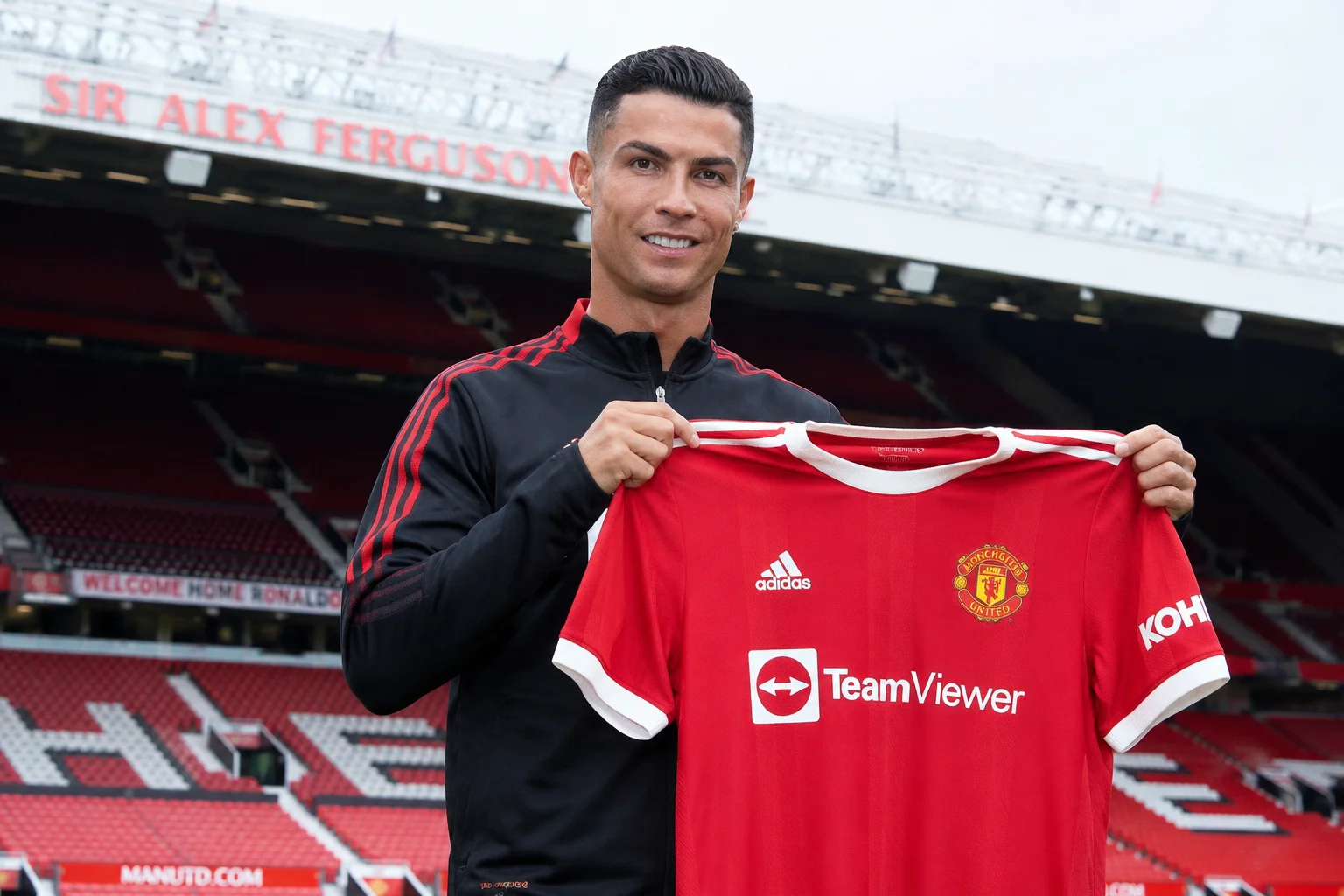
The clearest evidence against the shirt-sales myth comes from Ronaldo's 2021 return to Manchester United. "Ronaldo 7" jerseys were reported at a record £187m of retail value, the fastest-selling shirt in Premier League history. United's actual commission was only about £13.1m, just enough to cover the £12.9m fee on paper, because the club receives only around 7 per cent of replica revenue.
The decisive number is the year-on-year comparison. According to football-finance lecturer Kieran Maguire, who examined United's accounts after the signing, the club earned £76.3m from Adidas in 2021/22 against £77.4m the previous season. That is roughly £1.3m less merchandising income in the season Ronaldo arrived than in the season before he signed. On the pitch, the spell ended badly, with dressing-room disruption, the Piers Morgan interview, a contract termination in November 2022, no trophy and no Champions League qualification.
| Club and shirt | Reported retail value | Club's actual take |
|---|---|---|
| Real Madrid, 2009 onward | about £100m across 3m+ shirts | a fraction, after kit maker and image rights |
| Juventus, 2018 launch | about $62.4m in 24 hours | about $6m to $9m |
| Manchester United, 2021 return | about £187m | about £13.1m commission |
And the punchline sits underneath the table: United's total Adidas income fell year on year despite the fastest-selling shirt in league history. If a record-breaking jersey cannot lift a club's merchandising line, the idea that shirt sales pay for a transfer collapses on contact with the accounts. For supporters, the live drama plays out across United's current Premier League fixtures rather than in the club shop.
Riyadh: the Saudi gamble that made him a billionaire
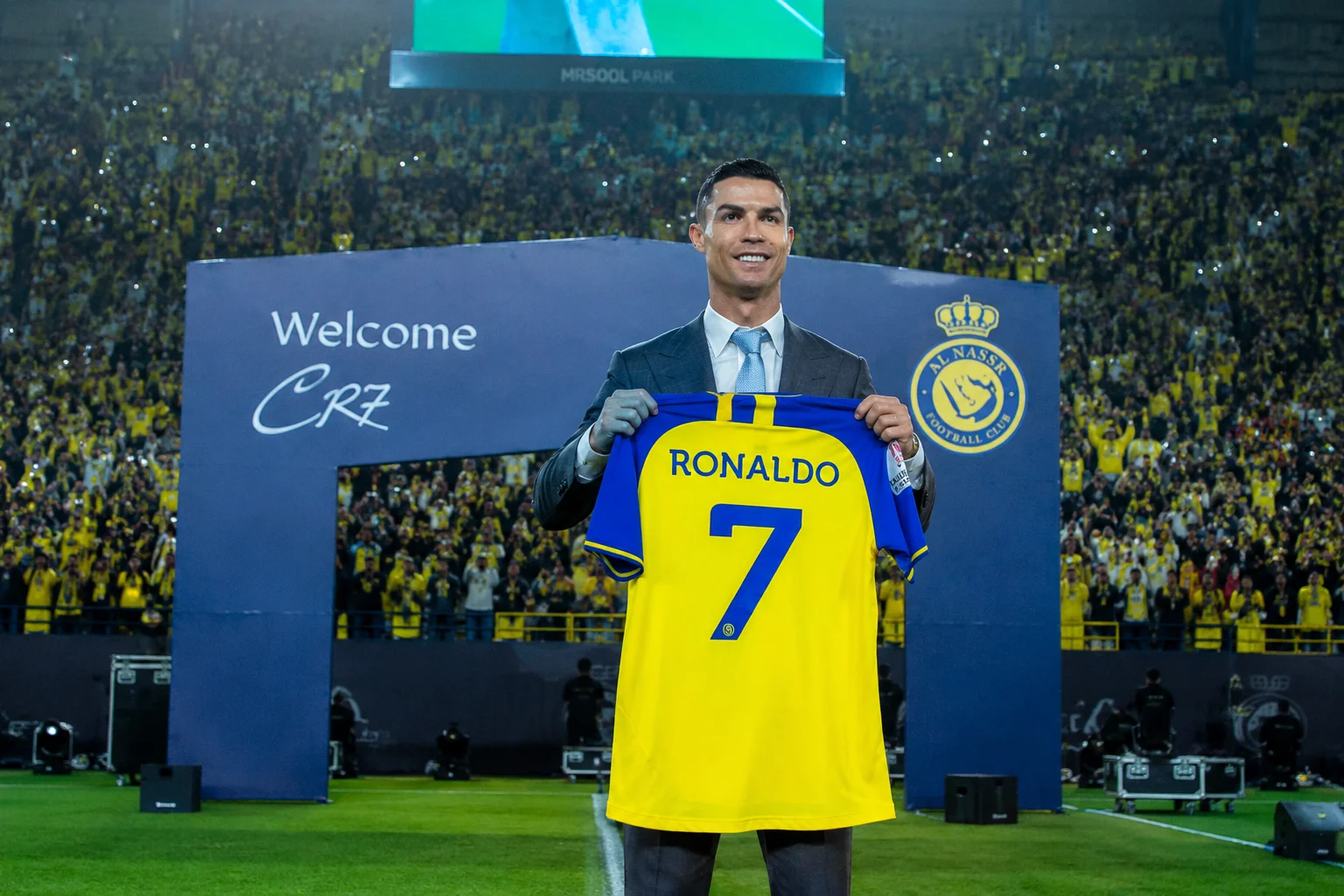
Ronaldo joined Al-Nassr in December 2022 on a deal reported at up to €200m a year, and extended it in June 2025 on terms reported at more than $400m tax-free, with a reported 15 per cent stake in the club. That extension is what pushed his net worth past a billion dollars. For Saudi Arabia, the cost is, in Kieran Maguire's words, "a complete irrelevance": the return is measured in soft power and global attention under the Vision 2030 strategy, not club profit.
This is where you have to separate the audited from the promotional. The strongest independent evidence is a peer-reviewed study by Dominik Schreyer and Carl Singleton in Contemporary Economic Policy, which found that Ronaldo filled an additional 20 percent of the seats in his home stadium when he played, 15 percent in stadiums he visited and 3 percent even at Saudi matches he did not play in. That last figure is the rare, measurable proof of a genuine spillover effect.
| Match type | Extra seats Ronaldo filled |
|---|---|
| Home matches he played in | about 20 percent |
| Away matches he visited | about 15 percent |
| Saudi matches he did not play in | about 3 percent |
His arrival also catalysed the signings of Benzema, Neymar and Mane, and Saudi Pro League squad values rose sharply on Transfermarkt, with Al-Nassr's own value up around 250 per cent. Set against that, the figures that circulate most widely should be treated with caution because they originate from Saudi or promotional sources: a claimed 650 per cent jump in league revenue, global TV audiences leaping from 40 million to 230 million and Al-Nassr social growth from under five million to 57 million. Independent voices are cooler. Maguire called the signing "a marketing exercise", Amnesty International described it as fitting "a wider pattern of sportswashing", and average top-flight crowds have stayed modest at around 8,000, with one Al-Riyadh match drawing just 133 spectators.
The honest verdict shifted in May 2026. Al-Nassr were crowned 2025/26 Saudi Pro League champions, sealing it on the final day with a Ronaldo brace in a 4-1 win over Damac. It was the club's 11th league title and first since 2018/19, Ronaldo's first major trophy in Saudi Arabia, and it made him the only man to win top-flight league titles in four different countries. The trophy strengthens the sporting case; whether crowds and viewership hold once he retires, which he has said he plans to do after 2026, is the test that will settle the sportswashing argument.
Portugal: a one-man broadcast event
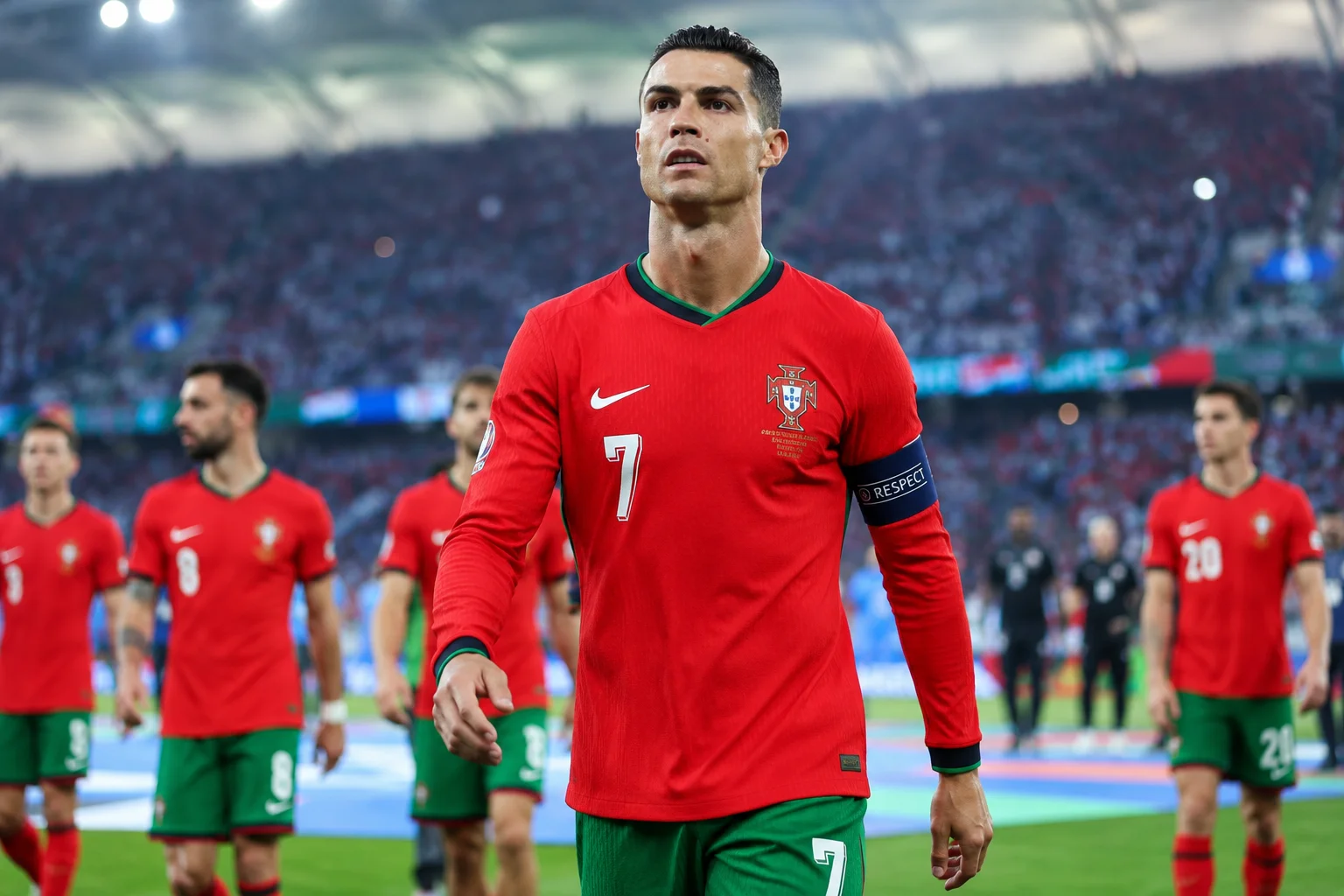
For the national team, Ronaldo's pull is immense and measurable, and it shows up most clearly in television figures. The Euro 2016 final, Portugal's first major trophy, was watched in part by around 600 million people worldwide with an average global audience of 284.4 million, the second most-watched European Championship final on record at the time. UK coverage on the BBC peaked at 13.6 million. At the 2022 World Cup, Portugal's matches set national viewing records, with the round-of-16 game against Switzerland the most-watched World Cup broadcast ever in Portugal.
| Broadcast moment | Audience |
|---|---|
| Euro 2016 final, global reach | around 600 million, average 284.4 million |
| Euro 2016 final, UK peak (BBC) | 13.6 million |
| Portugal v Switzerland, 2022 World Cup, in Portugal | average 3.89 million, a 71.8 percent share |
| Portugal v Uruguay, 2022 World Cup, in Portugal | 5.35 million |
The honours behind the audiences are real: Euro 2016, the first UEFA Nations League in 2019 and a second in 2025, plus the records for most men's international goals, more than 140, and most caps, more than 220, as of mid-2026. He is also the only man to appear at six European Championships and six World Cups. Each milestone is a globally covered, sponsor-friendly media event, which is exactly why broadcasters and tournaments value his presence. The Coca-Cola moment from Euro 2020 belongs here too, as a reminder that he can dominate the news agenda even when the economic claim attached to him is false.
Nike, CR7 and 650 million followers: where the money is
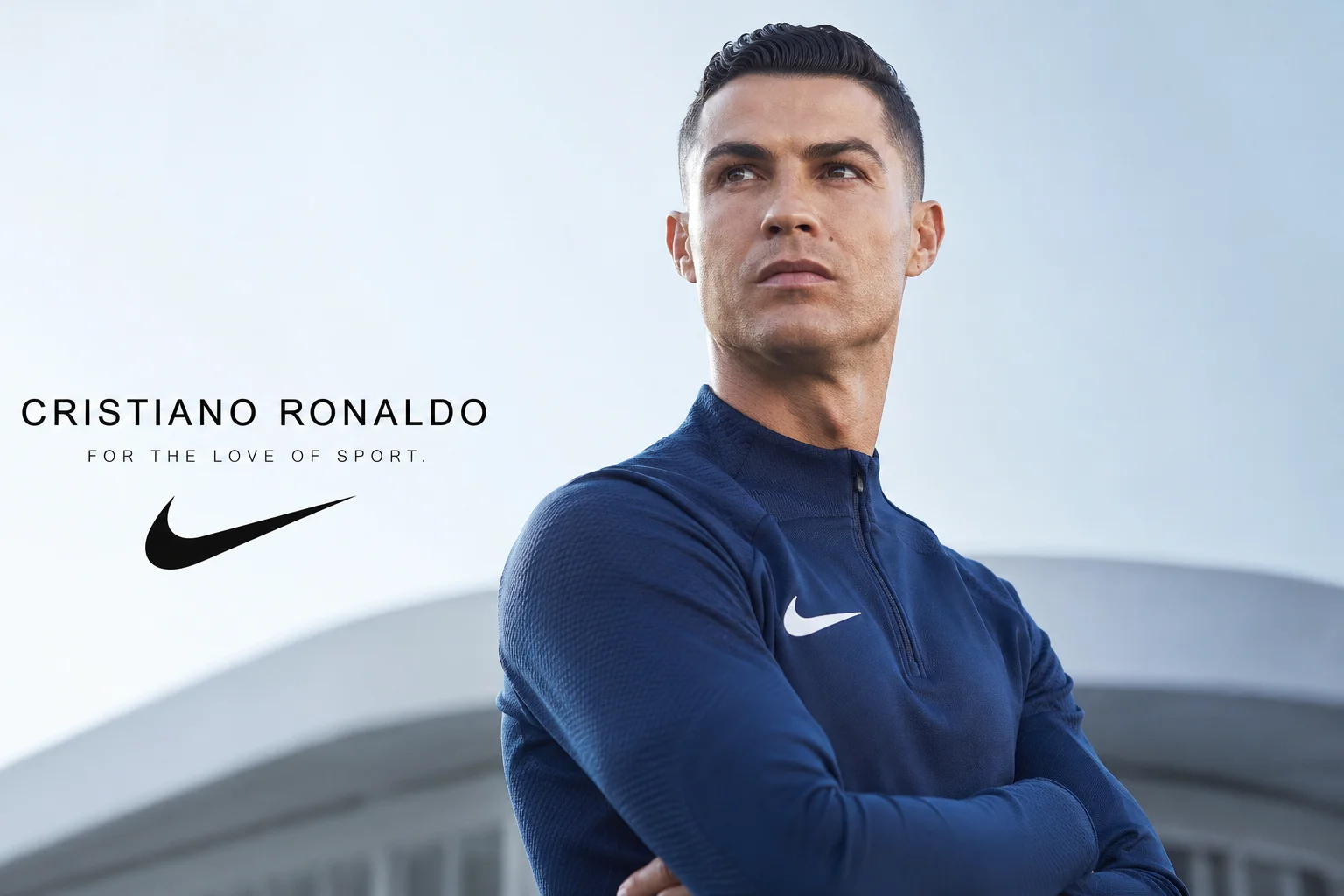
Here is the part of the story that genuinely pays, and it has little to do with transfer fees. Ronaldo's off-pitch empire runs on a reported $1bn lifetime Nike deal signed in 2016, the CR7 brand spanning underwear, fragrance, footwear and the Pestana CR7 hotel chain, and a social-media reach that no athlete can match. He is the most-followed person on Instagram with more than 650 million followers, and in September 2024, he became the first person to pass a billion followers across all platforms, earning a reported $3.4m per sponsored post.
| Off-pitch metric | Figure | Source note |
|---|---|---|
| Net worth, 2025 | $1.4bn | Bloomberg Billionaires Index |
| Total earnings, 2024/25 | about $275m | Forbes, roughly $235m football and $65m commercial |
| Instagram followers, 2025 | more than 650 million | most-followed person on the platform |
| Per sponsored post | about $3.4m | Hopper HQ 2024 Instagram rich list, ranked first |
| Nike deal | $1bn lifetime (reported) | headline figure; base reported around $18m a year plus royalties |
This is the reliable economic story. The transfer-and-wages numbers swing between profit and heavy loss depending on the club and the season; the brand numbers only compound. It is also the real reason a serial winner of trophies, including five Champions Leagues, holds the commercial value he does. Sustained on-pitch success in competitions such as the elite club game built the platform; the platform now earns whether he plays or not.
Airports, museums and Vision 2030: the spillover
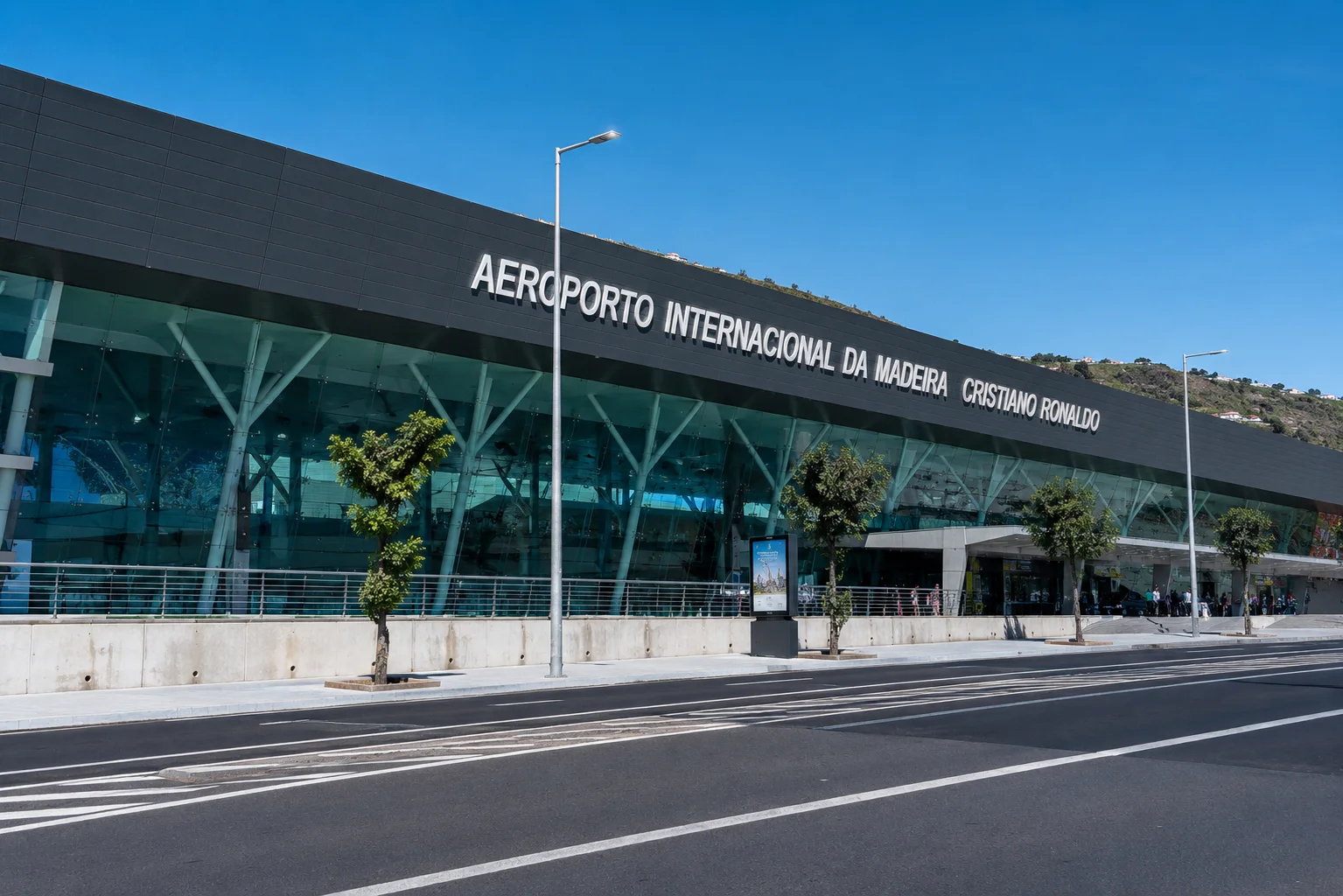
The wider effects are real but inherently hard to isolate. In Madeira, the airport was renamed Cristiano Ronaldo International Airport in 2017 and handles around 2.5 million passengers a year, while the CR7 museum, at 1,400 square metres, houses his Ballons d'Or and trophies, and the Pestana CR7 hotel anchors a football-tourism trail on an island whose economy leans heavily on visitors. The accommodation, dining, transport and retail multiplier around all of that is genuine, but pinning a precise figure on it is guesswork.
At the national scale, Saudi Arabia has placed itself at the centre of a multi-billion-dollar diversification strategy with the stated aim of lifting non-oil output, which is a soft-power calculation rather than a club-profit one. The most rigorous contribution to the debate is academic: the superstar-externality research that produced the 20 per cent and 3 per cent attendance figures gives rare, measured evidence of his effect on demand. Everything beyond that, from club valuations to tourism receipts to league growth, runs into the same attribution problem. Ronaldo is one powerful variable among many, alongside broadcast inflation, stadium redevelopment and sovereign investment.
Before, with, without and after Ronaldo: the four scenarios
The honest way to size a player's effect on the money is to run four comparisons, not one: the club or league before he arrived, while he played and after he left, plus the matched cases where he was absent that act as a control. The table below does exactly that, using audited revenue, a peer-reviewed attendance study and published club accounts. One pattern repeats throughout: the attention and commercial lines move with him, while profit and durable revenue often do not.
| Scenario | Real Madrid, annual revenue | Juventus, revenue and cost | Manchester United, second spell, Adidas income | Saudi Pro League and Al-Nassr, attendance |
|---|---|---|---|---|
| Before Ronaldo | Already football's highest-earning club on Deloitte's table before he signed in 2009 | About €400m operating revenue in 2017/18, and profitable, with three straight profits to 2017 | £77.4m from Adidas in 2020/21, the season before his return | Average top-flight crowds around 8,000 and a modest global profile |
| With Ronaldo | Revenue rose from €438.6m in 2009/10 to €750.9m in 2017/18, topping Deloitte's table | Revenue up to about €464m in his first season, 2018/19, with commercial income up 30 per cent | £76.3m from Adidas in 2021/22, about £1.3m less than the season before | About 20 per cent more home seats filled and 15 per cent more away when he played |
| Without Ronaldo (the control) | Not applicable: he played every season from 2009 to 2018 | An all-in cost of about €86m a year, roughly 22 per cent of revenue, rising to about €272m across three seasons | The 2020/21 control season without him brought in more from Adidas than the season with him | About 3 per cent more seats filled even at matches he did not play in, a rare measured spillover |
| After Ronaldo | Revenue kept climbing without him, past €1bn by 2023/24 and €1.185bn in 2024/25 | Revenue fell back to about €401m in 2021/22, within an eight-year run of losses near €999m | Not separately reported; club-wide revenue later fell after a season outside the Champions League | Still open: he remains at the club and has said he plans to retire after 2026 |
Read the columns downward, and the story separates cleanly. Real Madrid grew with him and kept growing after he left, which is the strongest sign that the club, rather than the player, drove the revenue. Juventus bought the buzz, banked a one-season commercial jump, carried an €86m annual cost and slid back to its starting revenue once he had gone. Manchester United sold a record shirt yet earned less from its kit maker than the year before. Saudi Arabia got a real, measured attendance lift, including at matches he sat out, and its after column is the one still being written. The cases without him, the control seasons and the matches he missed are what expose the myths, because that is where the spending stops and the numbers have to stand on their own.
What the forums say: the PR has stopped working
The most striking thing about the online conversation is how well-informed and sceptical it has become. On Reddit, Quora and X, the recurring economic debates land in roughly the same place as the analysts. Ask whether shirt sales ever pay for a player, and the consensus is a flat no, usually with Maguire or Swiss Ramble cited in support. Ask whether Juventus was worth it, and the answer is a near-unanimous prestige mistake. Ask whether the Saudi move is sportswashing and whether the money is real and the room splits, with fans carefully separating the genuine attendance and visibility gains from the inflated promotional statistics.
The Coca-Cola incident, fittingly, has become a favourite example of media misreporting that fans now enjoy correcting. The audience around football's defining online rivalry, Ronaldo against Lionel Messi, has effectively done the fact-checking that the original headlines skipped. That rivalry still reaches its sharpest on-pitch expression whenever Madrid meet Barcelona in the most-watched fixture in club football.
How we measured Ronaldo's economic impact
This analysis follows one rule throughout: separate attention value from club profit and loss. Attention value covers followers, viewership, attendances and share-price moves, where Ronaldo is reliably positive. Club profit covers wages against merchandising and matchday income, where he is often negative late in his career. Conflating the two is what produces the myths.
For sourcing, audited and peer-reviewed figures take priority over promotional ones. Net-worth and earnings figures come from the Bloomberg Billionaires Index and Forbes; club revenue from Deloitte's Football Money League; the attendance effect from the Schreyer and Singleton study in Contemporary Economic Policy; the merchandising analysis from Kieran Maguire's reading of Manchester United's published accounts; and the Coca-Cola correction from Snopes. Replica-shirt figures quoted in the press are retail value across the market, not money a club banks, so we apply the standard club share of about 7 to 15 per cent. Every Saudi-linked statistic is labelled as such. Where a number is reported rather than confirmed, including wages, the true value of the Nike deal and the precise Saudi contract terms, we say so.
FAQs
1. Is Cristiano Ronaldo richer than Lionel Messi?
-
Yes, on the most-cited estimates: Bloomberg puts Ronaldo at about $1.4bn, ahead of widely reported figures of roughly $1.15bn for Messi as of 2025.
2. Does a transfer fee include a player's wages?
-
No, the fee goes to the selling club as a one-off, while wages are a separate recurring cost that, for a superstar, usually dwarfs any merchandising income.
3. Did any club ever make money on Ronaldo as a player?
-
The clearest profit was Manchester United's £80m sale to Real Madrid in 2009, whereas his later spells at Juventus and United frequently lost money once wages are counted.
4. How much of the Nike deal is actually guaranteed?
-
Analysts drawing on the Football Leaks documents put the guaranteed portion closer to $500m to $600m, with the rest tied to royalties and performance.
5. Does Ronaldo plan to retire soon?
-
He has said he intends to retire after the 2026 season and has spoken about wanting to own a club afterwards.
The fairest summary is that Cristiano Ronaldo is one of the most valuable attention assets sport has produced and a far less certain financial asset for the clubs that paid his wages. At 1BoxOffice, established in 2006, we cover the numbers behind the names so supporters can judge the hype for themselves, backed by our 150% money-back guarantee on every order.
Sources: Bloomberg Billionaires Index; CNN; Forbes; Deloitte Football Money League; Football Benchmark; Contemporary Economic Policy (Schreyer and Singleton, 2025); Kieran Maguire and The Price of Football; Snopes; Business Insider; Statista; Transfermarkt; Amnesty International.