In this guide
Fact 1: The club was founded by a newspaper advert containing two spelling mistakesFact 2: Twelve men of five nationalities founded the club in a gymnasiumFact 3: Nobody has ever proved where the blue and garnet colours came fromFact 4: Barca supporters are named after their own backsidesFact 5: Anonymous members left bars of soap in the changing roomFact 6: A Barcelona player's glass eye fell out during a matchFact 7: A match had to be paused because every ball at the ground had burstFact 8: The squad trained at six in the morning so they could get to workFact 9: An employee hid the club's trophies the day before it was shut downFact 10: The Spanish government closed FC Barcelona for six monthsFact 11: A serving Barcelona president was executed by Franco's troopsFact 12: The club's all-time top scorer before Messi was born in the PhilippinesFact 13: The first match played at Camp Nou was architects against buildersFact 14: The famous motto came from a single line in a 1968 speechFact 15: A future Ballon d'Or winner refused to keep boxing in trainingFact 16: Four Rottweilers were employed as matchday security at Camp NouFact 17: Barcelona are one of only three clubs never relegated from La LigaFact 18: The record Camp Nou crowd is 120,000Fact 19: Barcelona were the first club to win all six available trophies in a calendar yearFact 20: The two largest crowds in women's football history were both at Camp NouWhere the club stands going into 2026/27FAQsThe advert that created FC Barcelona misspelled its founder's name. It ran in a Catalan sports magazine on 22 October 1899, sixty-three words long, buried in the miscellaneous section at the back, and it called for players to contact a Mr Kans Kamper about organising some games. That typo is where the FC Barcelona facts worth knowing begin, because almost nothing about this club happened the tidy way.
What follows is drawn from the club's own archive and from contemporary reporting rather than from the recycled lists of fun facts about Barcelona FC you will find elsewhere. Some of it is record-book material. Some of it involves a glass eye, a burst football and four Rottweilers. If you want to see the current side rather than read about the old ones, our Barcelona tickets page carries the live fixture list.
Fact 1: The club was founded by a newspaper advert containing two spelling mistakes
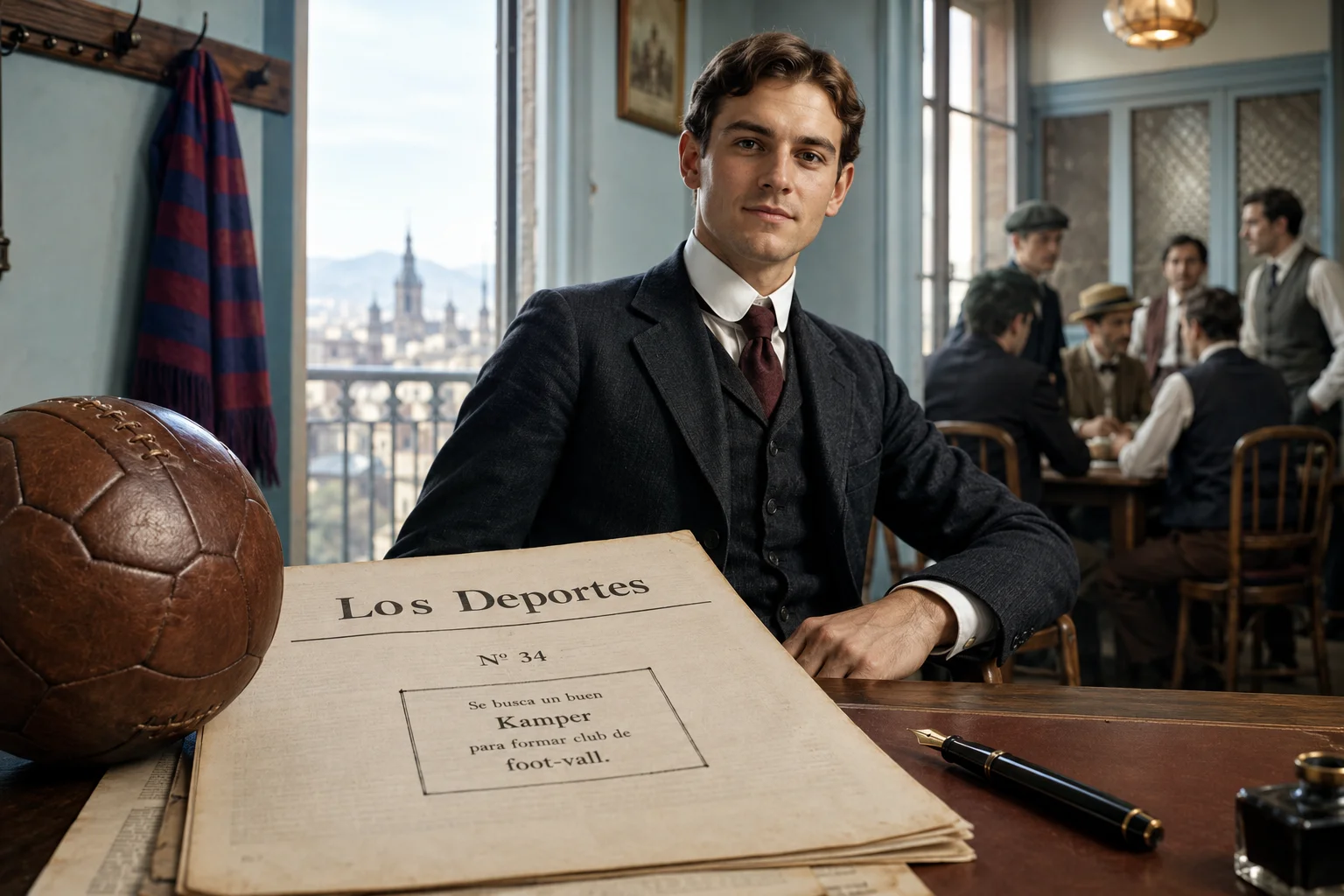
Hans Gamper was a 21-year-old Swiss accountant working for a tram company when he placed his notice in issue 34 of Los Deportes. The typesetter rendered his surname as Kamper and the sport itself as "foot-vall". Neither error mattered. Within five weeks the responses had produced enough interested players to hold a founding meeting.
Gamper later took the Catalan name Joan, captained the side, scored its first goal and served five separate terms as president. He also wrote the earliest surviving match report on the club, filed to a Swiss sports magazine in December 1899.
Fact 2: Twelve men of five nationalities founded the club in a gymnasium
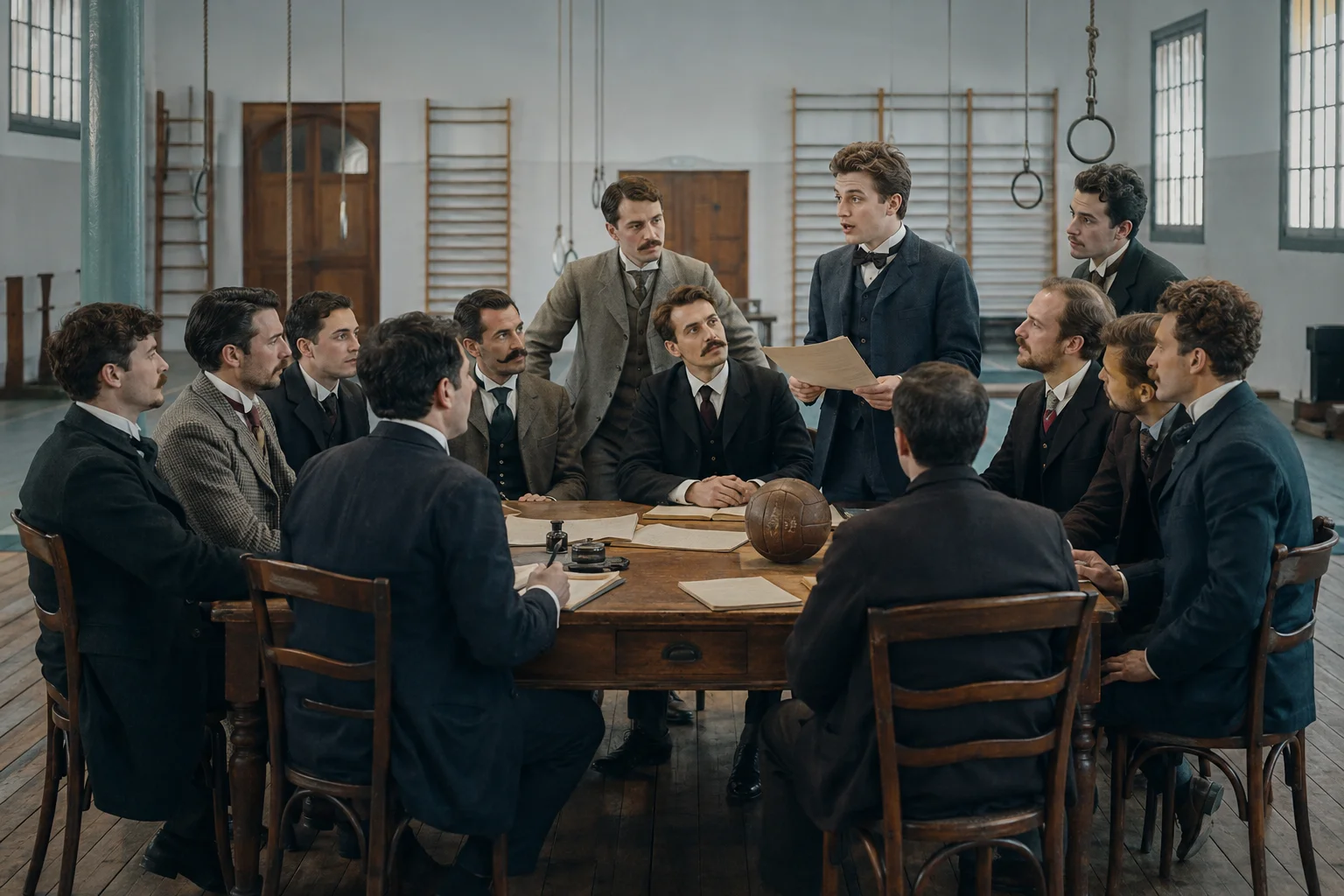
On 29 November 1899, Gamper and eleven others met at the Gimnasi Solé on Carrer Montsió. The group was made up of two Swiss, two Englishmen, one German, one man from Aragon and five Catalans. Gamper could not become president because he was still a minor under the rules of the day, so the Englishman Walter Wild took the role instead.
That founding mix of nationalities is not a footnote. The club's own histories treat it as the origin of its intercultural identity, which is why a Catalan institution has spent 126 years employing foreign coaches without any of the friction you might expect elsewhere.
Fact 3: Nobody has ever proved where the blue and garnet colours came from
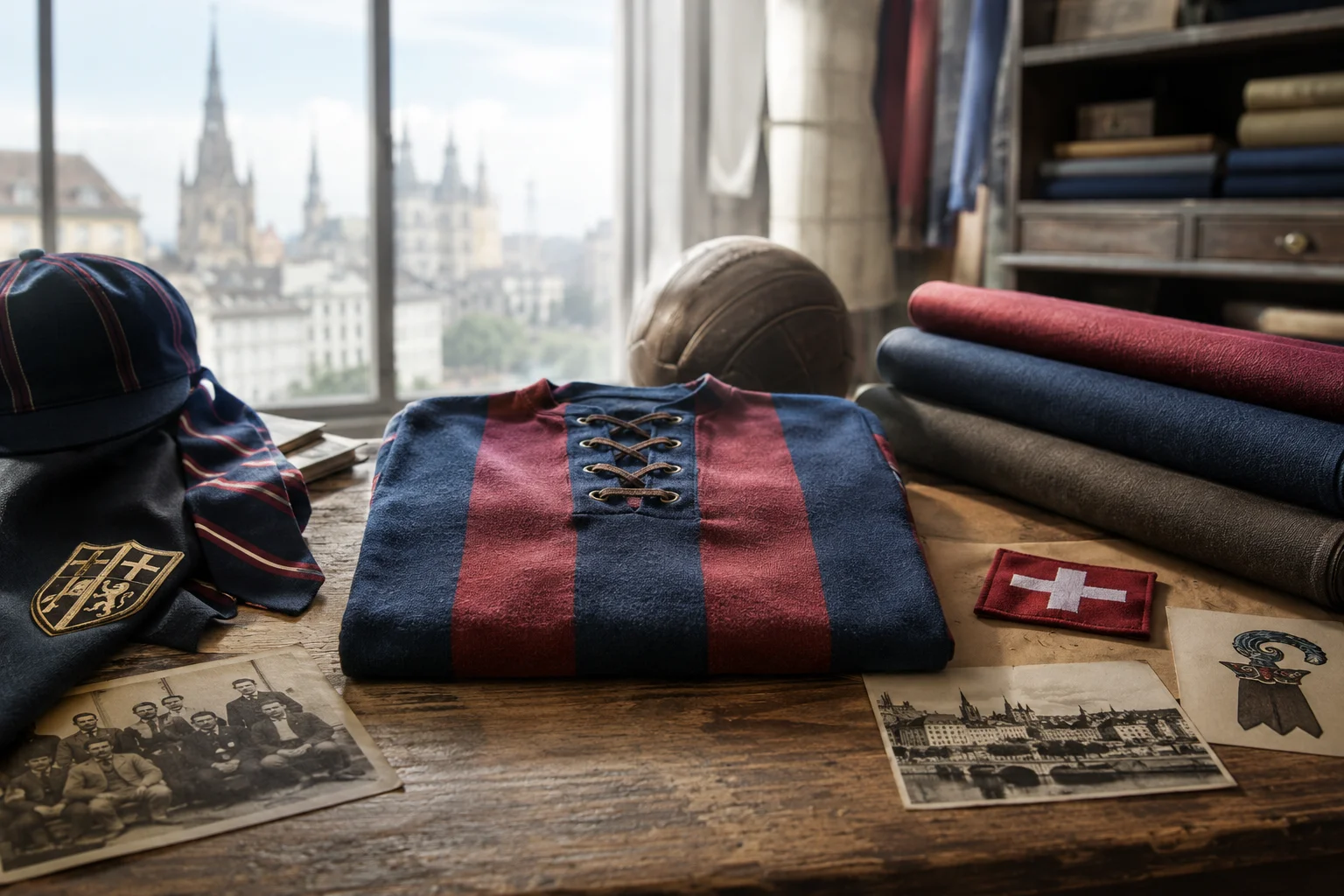
You will find confident explanations everywhere. None of them holds up. The three surviving theories are that the colours came from Merchant Taylors' School, attended by the Witty brothers who played for the early side; that they honour the canton of Basel, where Gamper had connections; or that they were simply the cloth available in Barcelona in 1899.
No documentary evidence settles it, and the club has never claimed to know. Any article stating the matter definitively is guessing. The honest answer is that the most recognisable colour scheme in world football has an unrecorded origin.
WhatsApp channel
Sports news straight to your phone
Match updates, on-sale dates and ticket news from 1BoxOffice.
Fact 4: Barca supporters are named after their own backsides
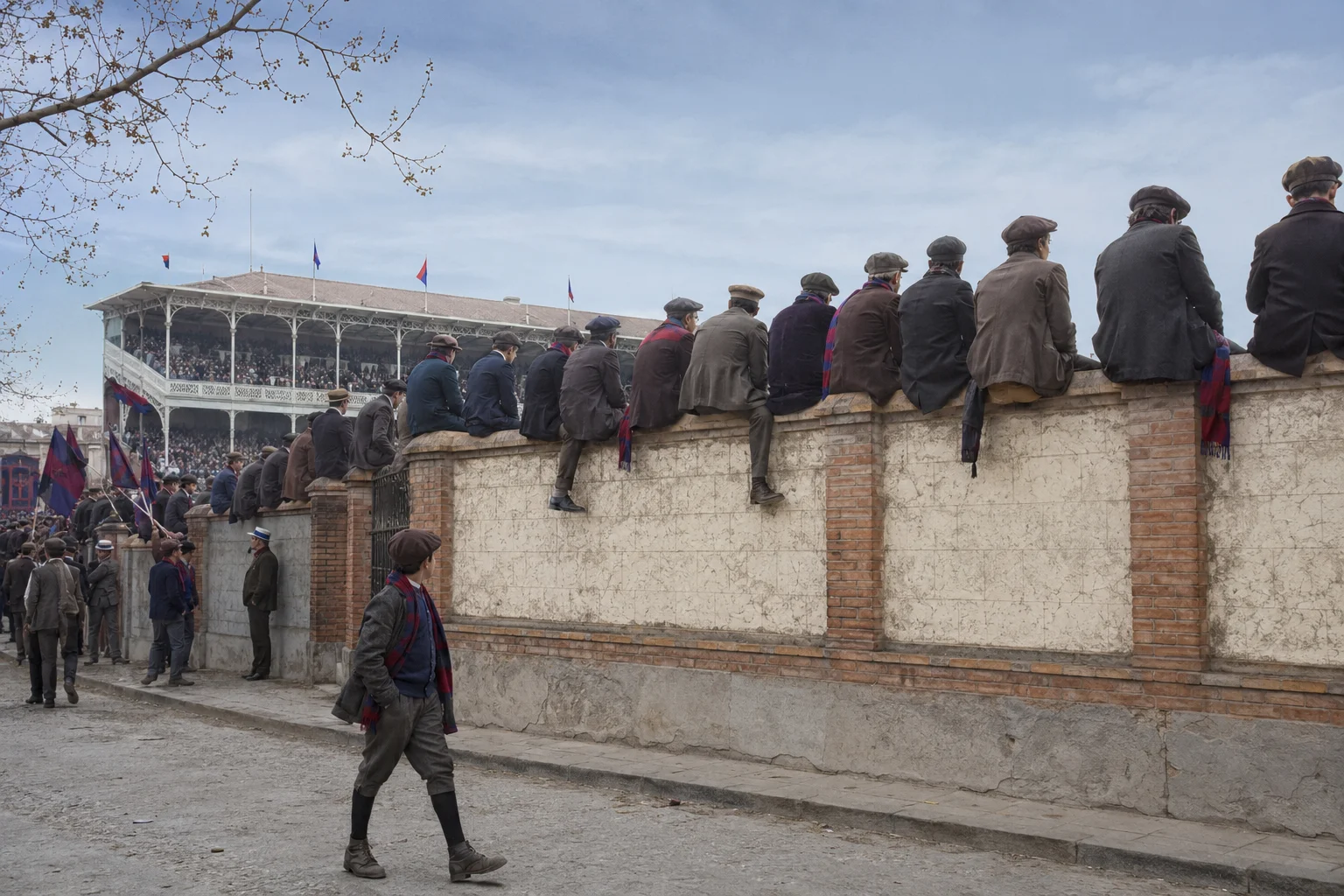
The club moved into a proper ground on Carrer Indústria in March 1909. In 1912 it added a two-tier stand, the first in Spanish football, which lifted capacity to 6,000. Demand comfortably exceeded that, so supporters climbed onto the perimeter wall and sat along the top row.
Anyone walking down the street saw a long line of seated backsides and nothing else. The Catalan word for backside is cul, and the nickname culers stuck. More than a century later it remains the term supporters use for themselves, and the club uses it in its own membership branding.
Fact 5: Anonymous members left bars of soap in the changing room
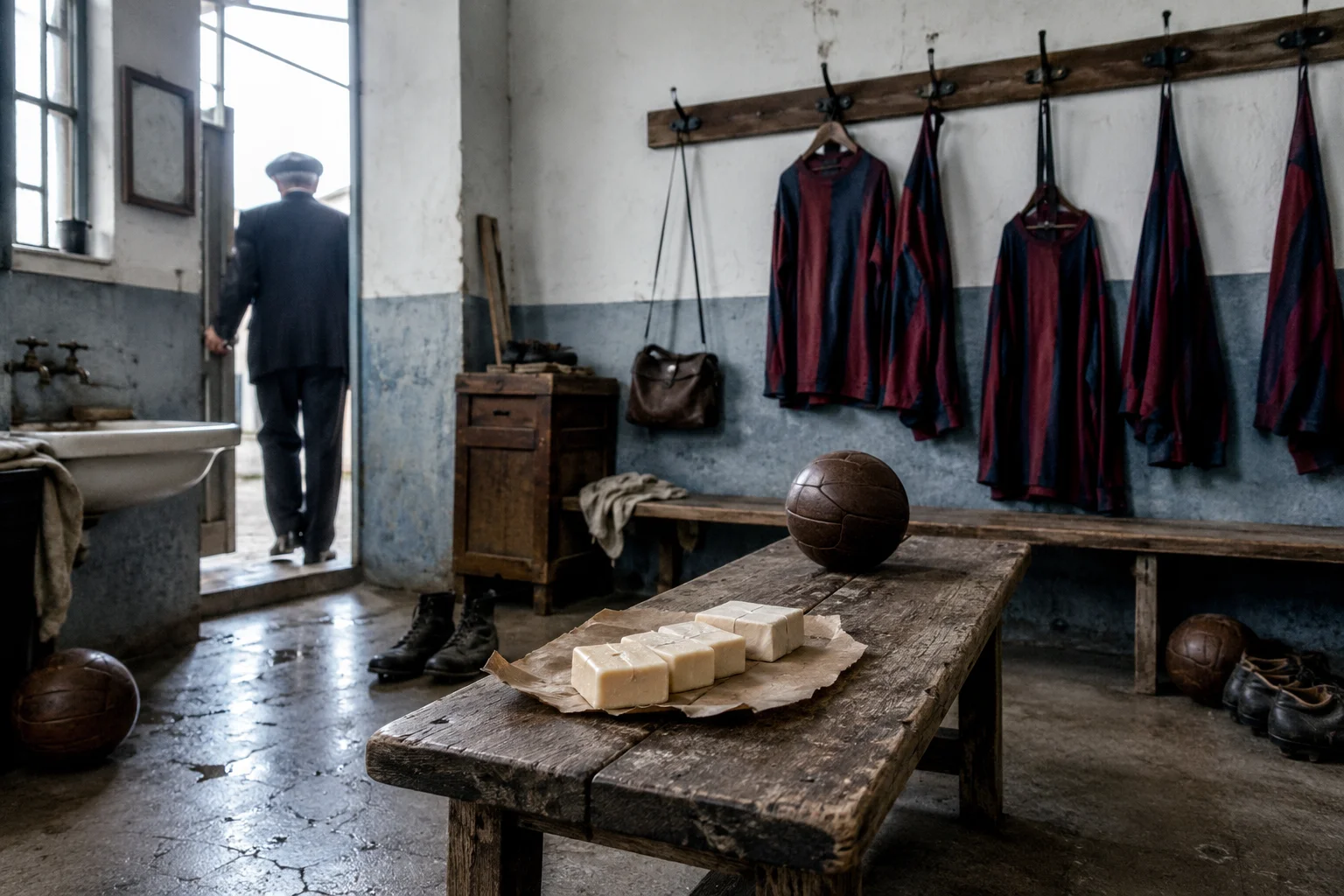
This one is routinely garbled online into a claim that players were paid in soap. They were not. In early 1902 the club's entire monthly income was little more than 100 pesetas, drawn from roughly 100 members paying one peseta each. Money for basics did not exist.
So members quietly filled the gaps. The club records that it was not unusual to find a bar of soap left in the changing rooms at the Carretera d'Horta pitch by an unnamed benefactor, purely so the team could wash. Ernest Witty, a player who part-owned a sports equipment business, gave away so many footballs that he reckoned their combined value would have bought a car.
Fact 6: A Barcelona player's glass eye fell out during a match
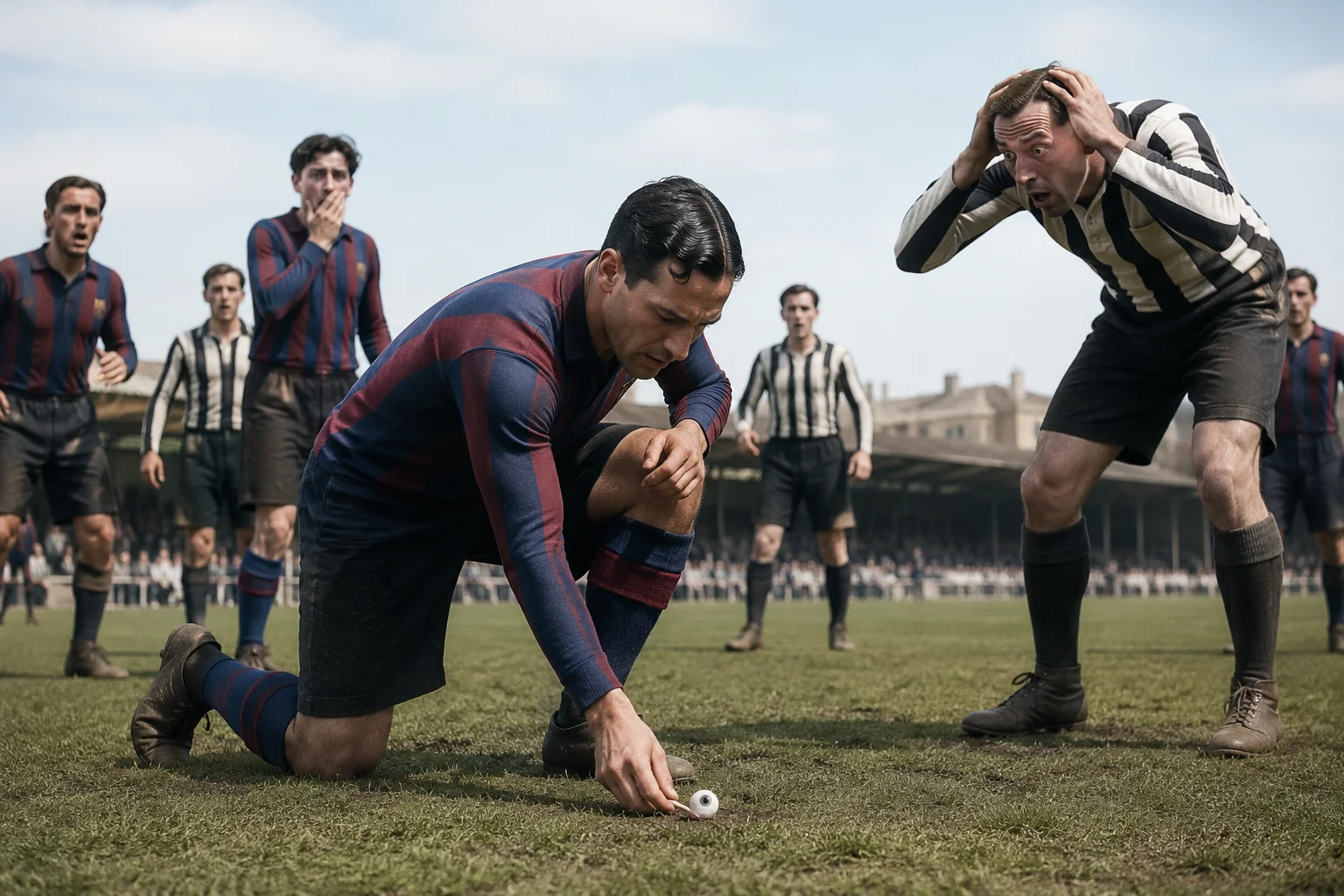
George Meyer was a Swiss player at the club between 1901 and 1904. He had a glass eye and had told nobody outside the dressing room. During a match against Català he collided with his marker, a man named Viñas, and the eye came out and landed on the pitch.
Meyer picked it up, turned to the horrified defender and told him not to worry because he still had another one. Everyone in Catalan football knew about the glass eye from that afternoon onwards.
Fact 7: A match had to be paused because every ball at the ground had burst
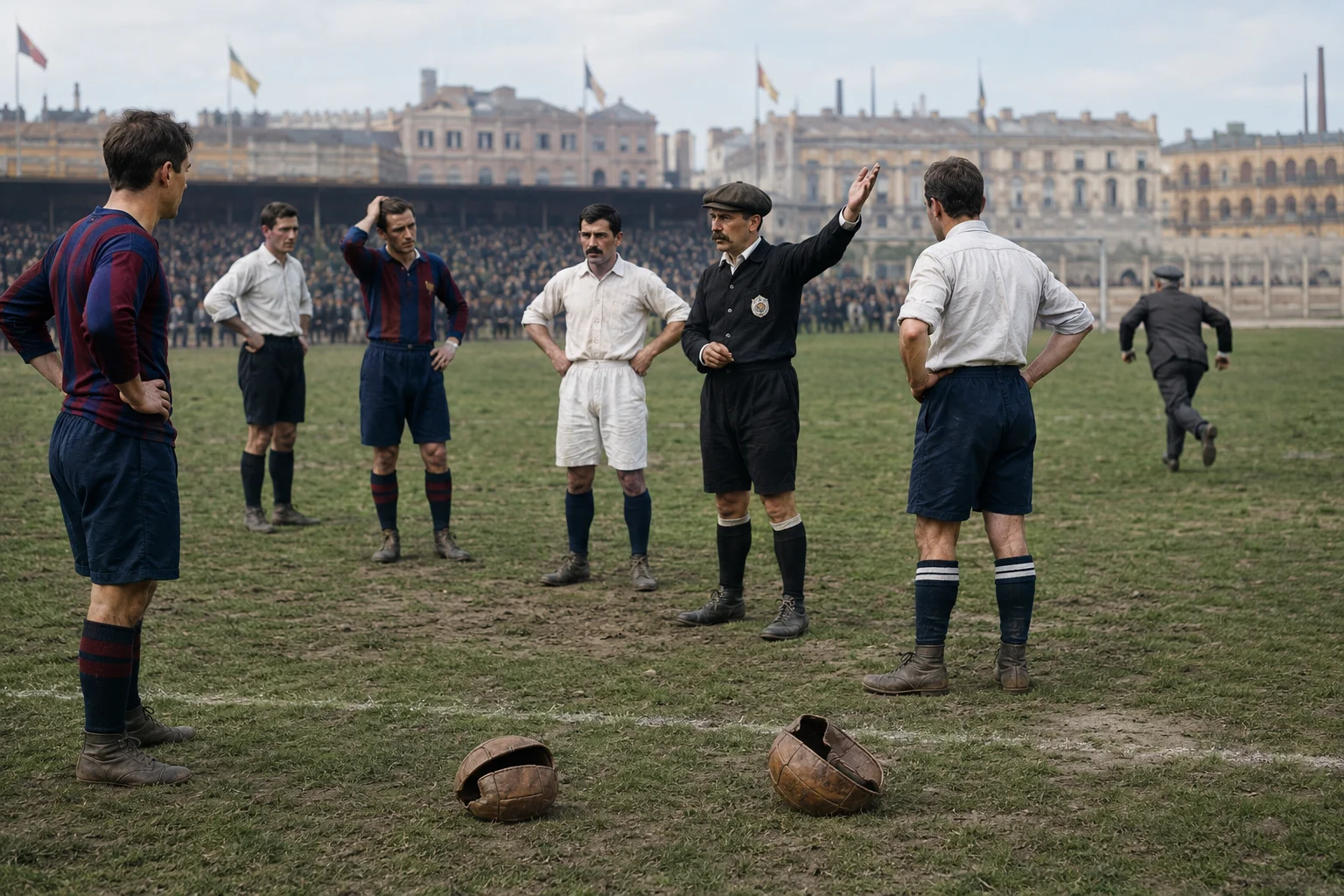
Barca played Internacional at Carretera d'Horta on 21 February 1904. Competition rules required the home side to provide two balls and the visitors to bring a third as a spare. Both of Barcelona's balls split during the first half, and when they turned to Internacional it emerged the visitors had brought nothing at all.
A volunteer was dispatched on foot to the neighbouring ground to borrow one from a club called FC X. The game resumed and Barca lost 2-1, then lodged a formal complaint about their opponents' negligence. It was thrown out.
Fact 8: The squad trained at six in the morning so they could get to work
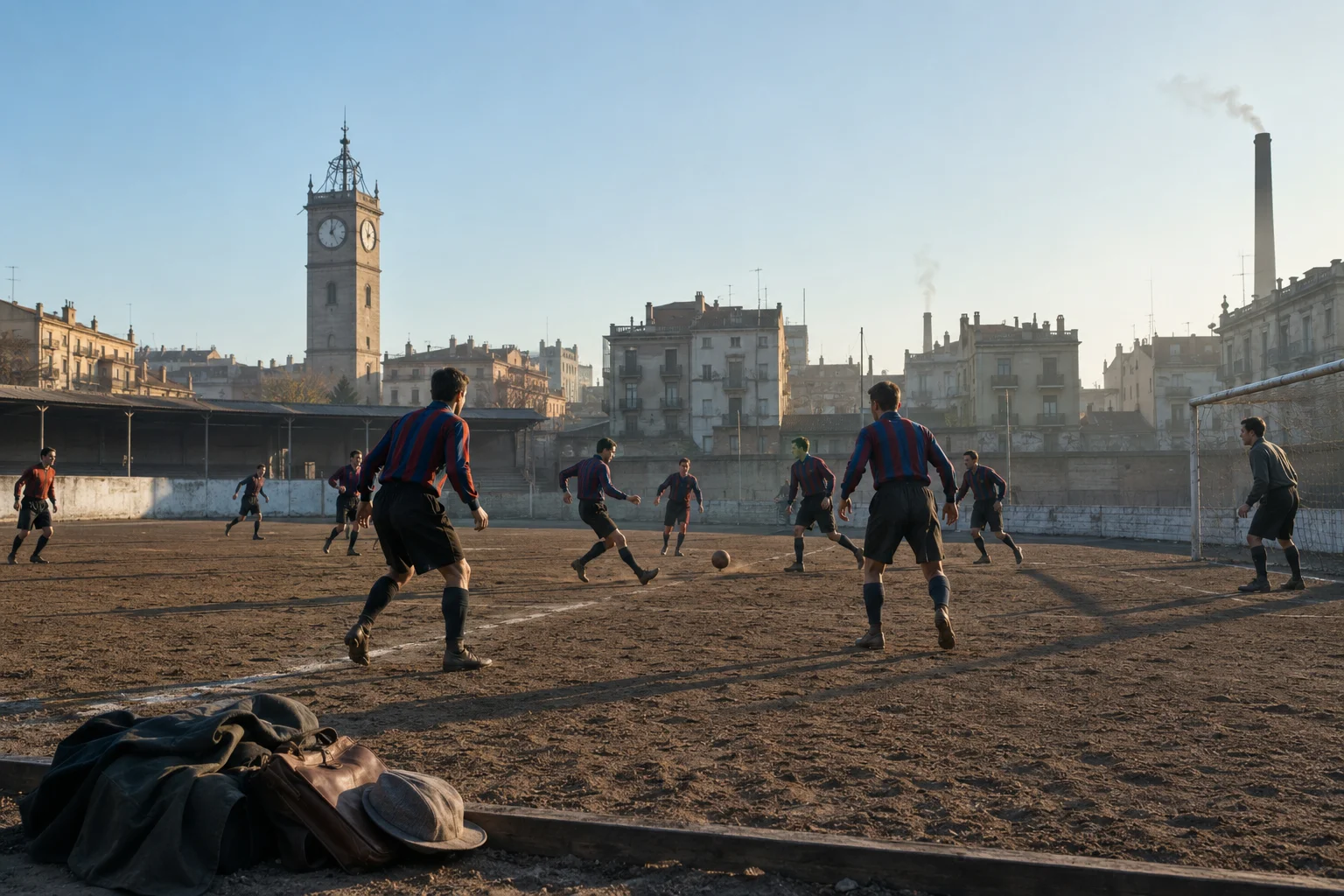
A club record dated 29 July 1915 details a full internal training match between the 22 members of the first team, kicking off at 6am. This was standard. Barca were strictly amateur, every player held a job, and the only window that suited everyone was before the working day started.
The club handed each man one and a half pesetas for breakfast afterwards at a bar near the Carrer Indústria ground. The going rate covered an egg, bread and a glass of milk with cocoa. No coffee, which seems an oversight given the hour.
Fact 9: An employee hid the club's trophies the day before it was shut down

On 23 June 1925, one day before the authorities closed the club, an unnamed employee acted entirely on his own initiative. He bought boxes from the tobacconist beside the clubhouse on Plaça del Teatre and packed away two typewriters, the membership card printing machine, several trophies, pennants and the books of minutes and membership records.
He moved the lot to the first floor of 21 Carrer Aribau, the club's former offices, and hid it in a back room where a greengrocer kept her stock. Six months later he returned everything. No board member ever noticed it had gone. Barcelona now hold 32 Copa del Rey titles, and a handful of the earliest survive because one member of staff read the political weather correctly.
Fact 10: The Spanish government closed FC Barcelona for six months
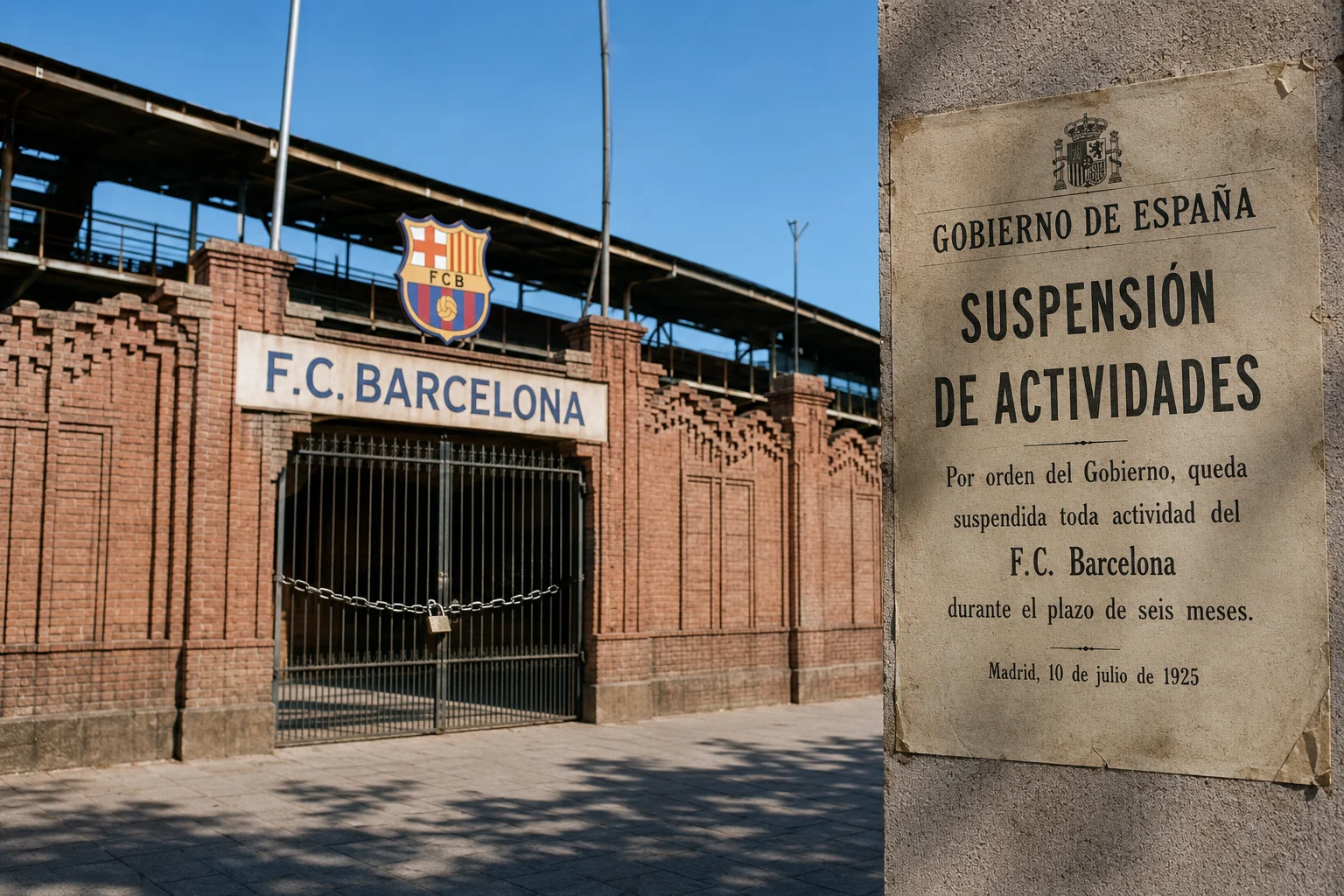
The trigger was a friendly at Les Corts in June 1925, staged as a tribute to the Catalan choral society Orfeó Català. The crowd jeered the Spanish national anthem and cheered the British one. Under the dictatorship of Miguel Primo de Rivera, that was enough.
The ground was ordered shut for six months, the club was barred from all activity, and Joan Gamper was forced to resign on 10 July 1925 and leave Spain, prohibited from ever holding a club position again. He was declared bankrupt after the 1929 crash and took his own life the following year.
Fact 11: A serving Barcelona president was executed by Franco's troops
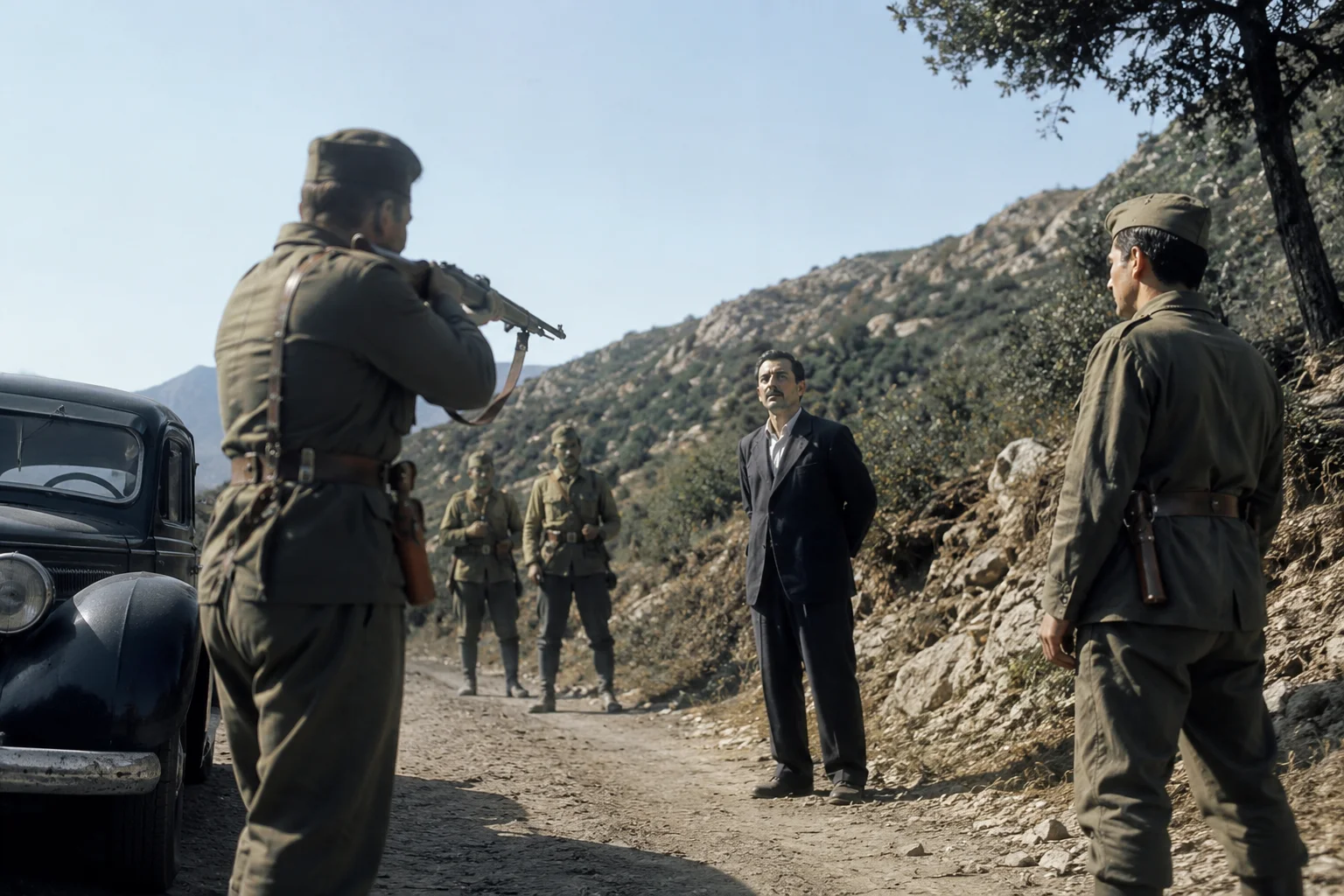
Josep Sunyol was a politician and newspaper proprietor who became president of the club in July 1935. In August 1936, weeks into the Spanish Civil War, he was travelling near the Guadarrama front outside Madrid when he was stopped by Nationalist soldiers and shot at the roadside.
He was the sitting president of FC Barcelona and a serving member of the Spanish parliament. His killing, followed by the club's forced closure a decade earlier, is the reason Barca's identity became inseparable from Catalan politics long before anyone turned that connection into a marketing line.
Fact 12: The club's all-time top scorer before Messi was born in the Philippines
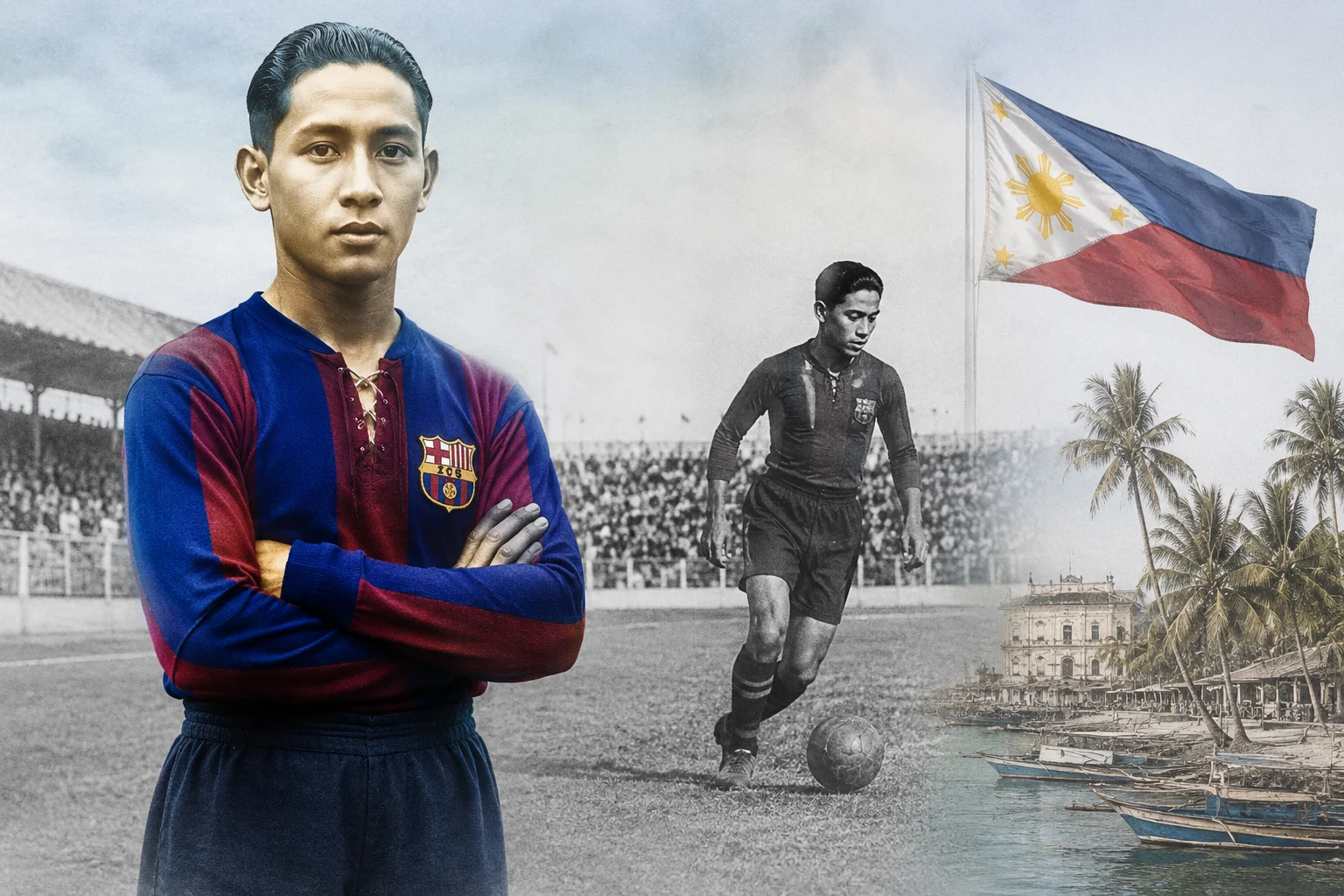
Paulino Alcántara was born in Iloilo in 1896 to a Spanish military officer and a Filipino mother. He made his debut for Barcelona at 15, which still makes him the youngest player ever to appear and score for the club, and he was the first Asian player to wear the shirt.
He finished with 369 goals in 357 competitive and friendly appearances at a rate above one per game. That record stood for 87 years. Lionel Messi finally passed it on 16 March 2014 with a hat-trick against Osasuna, taking him to 371. Messi ended his Barcelona career on 672 goals.
Fact 13: The first match played at Camp Nou was architects against builders
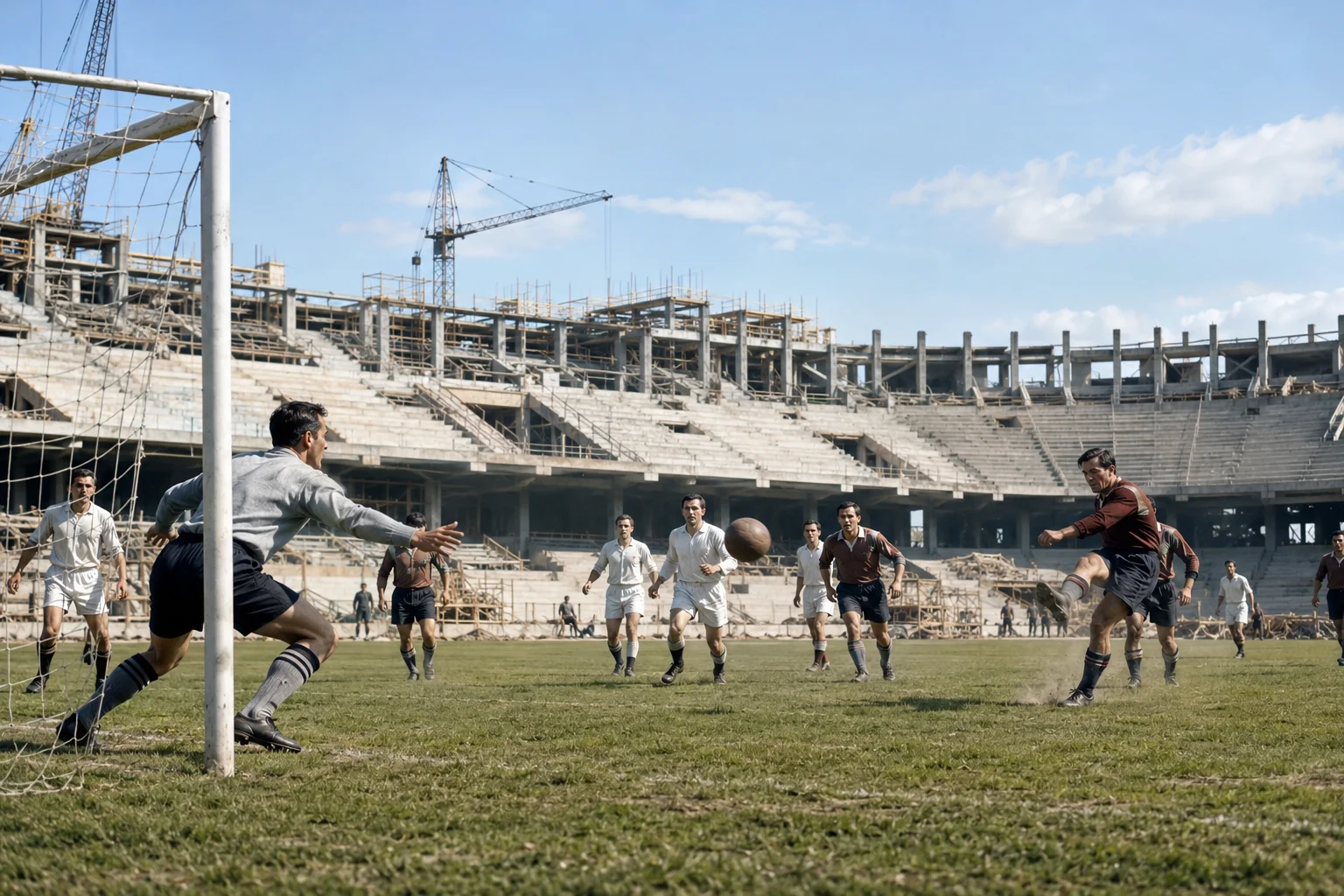
The stadium opened formally in September 1957. A month earlier, on 10 August 1956, a team of architects took on a team of contractors on the unfinished pitch. The architects won 2-1. Francesc Mitjans, who designed the stadium, played in goal.
The first goal ever scored at the ground came from a man recorded only as Hernández, an anonymous contractor who has a claim to a piece of history that most supporters who pass through the Spotify Camp Nou turnstiles will never hear about.
Fact 14: The famous motto came from a single line in a 1968 speech
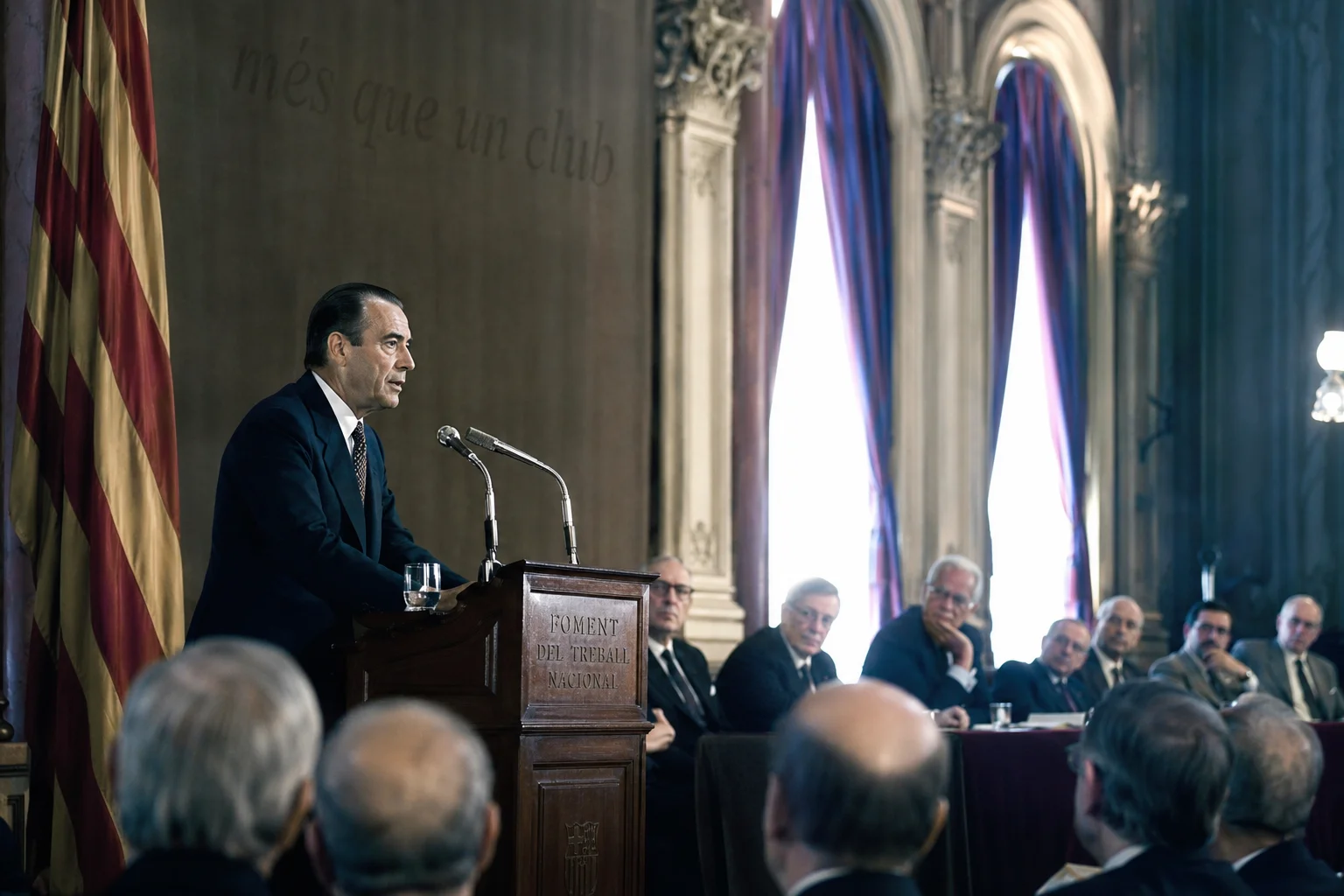
Narcís de Carreras was elected president on 17 January 1968 and delivered his inaugural address at the Foment del Treball hall. He told the room that Barca was more than a football club, more than a place where a team plays on Sundays, and above all a deeply rooted spirit.
The phrase més que un club was not conceived as a slogan. It was a lawyer making a political point in Catalan during a dictatorship that had banned the language in public life. The club adopted it as its motto afterwards.
Fact 15: A future Ballon d'Or winner refused to keep boxing in training
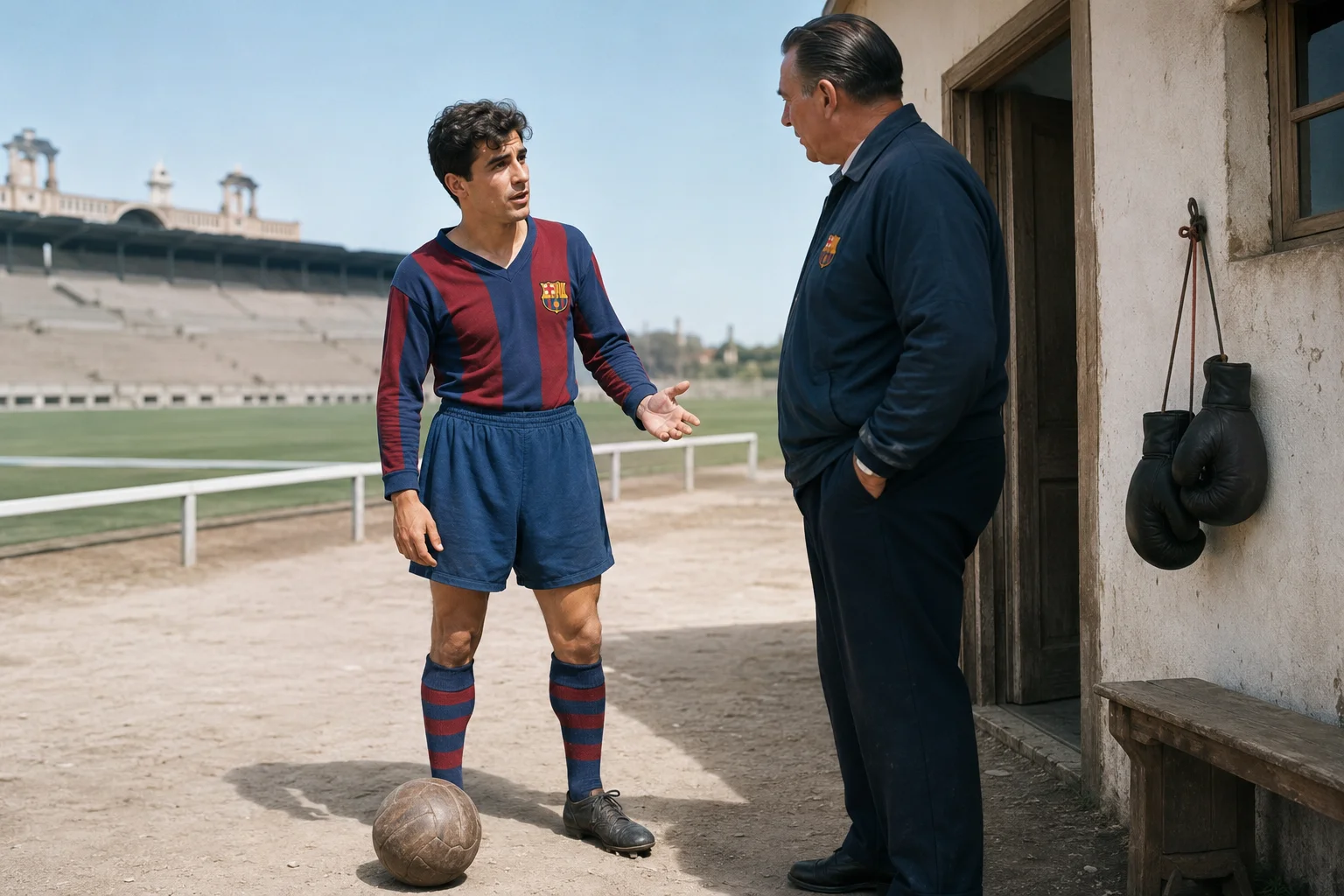
Ferenc Plattkó returned as coach in 1955. He was a broad, physically imposing former goalkeeper, and he decided the slight 20-year-old Galician midfielder in his squad needed building up. So he made Luis Suárez do half an hour of boxing after every training session at Les Corts.
Suárez lasted a week before walking into the coach's office to say he had come to play football, not to box. He stopped. Five years later he became the first Spanish-born winner of the Ballon d'Or, an award no Spaniard won again until 2024.
Fact 16: Four Rottweilers were employed as matchday security at Camp Nou
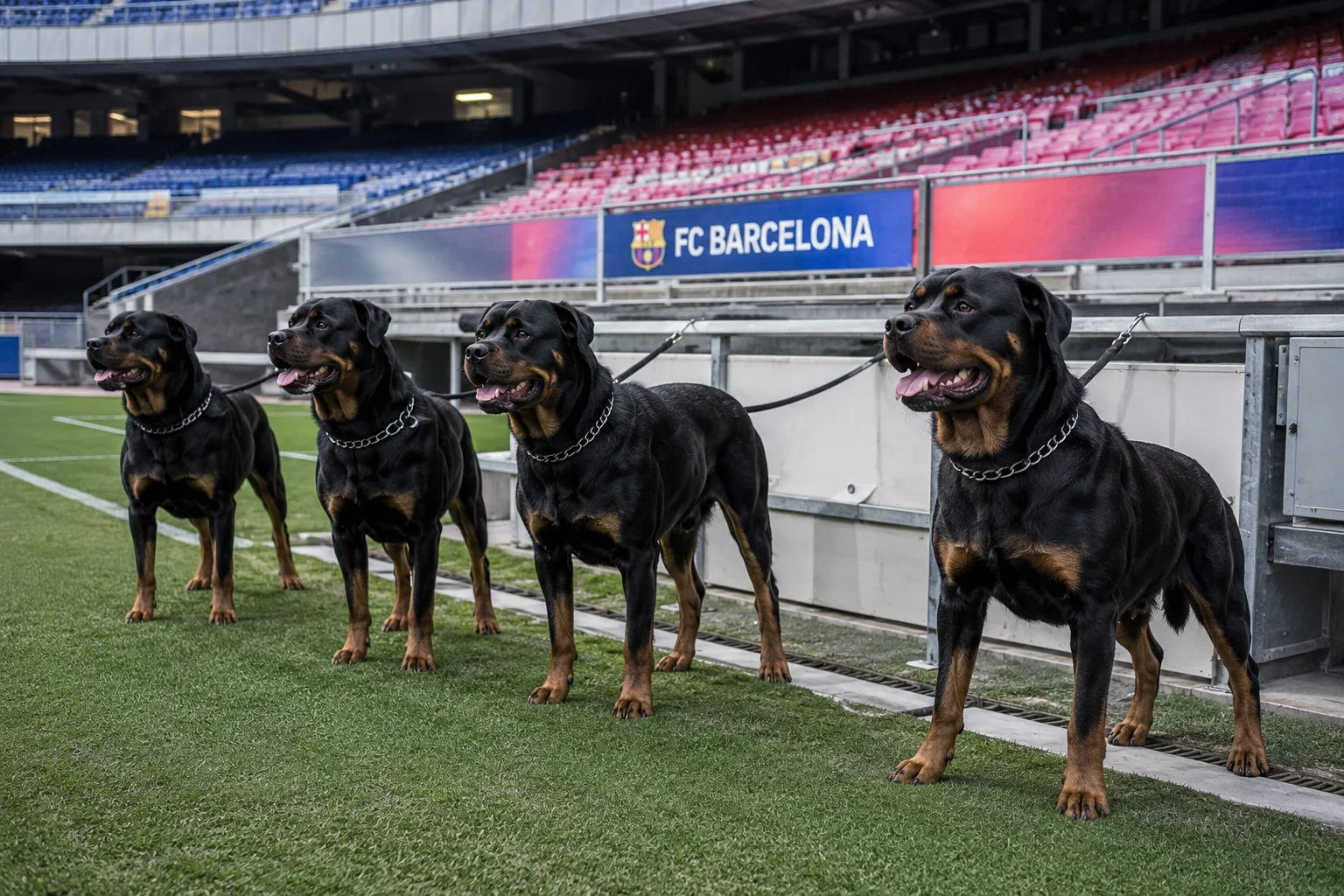
Renovation work in the summer of 1994 removed the moat that had separated the crowd from the pitch. The club needed a deterrent against pitch invasions for the 1994/95 season and settled on an unusual solution: four Rottweilers, on duty on the touchline on matchdays.
The crowds behaved. Five years later the canine staff was cut to two, named Trotsky and Demon, and eventually retired altogether.
Fact 17: Barcelona are one of only three clubs never relegated from La Liga
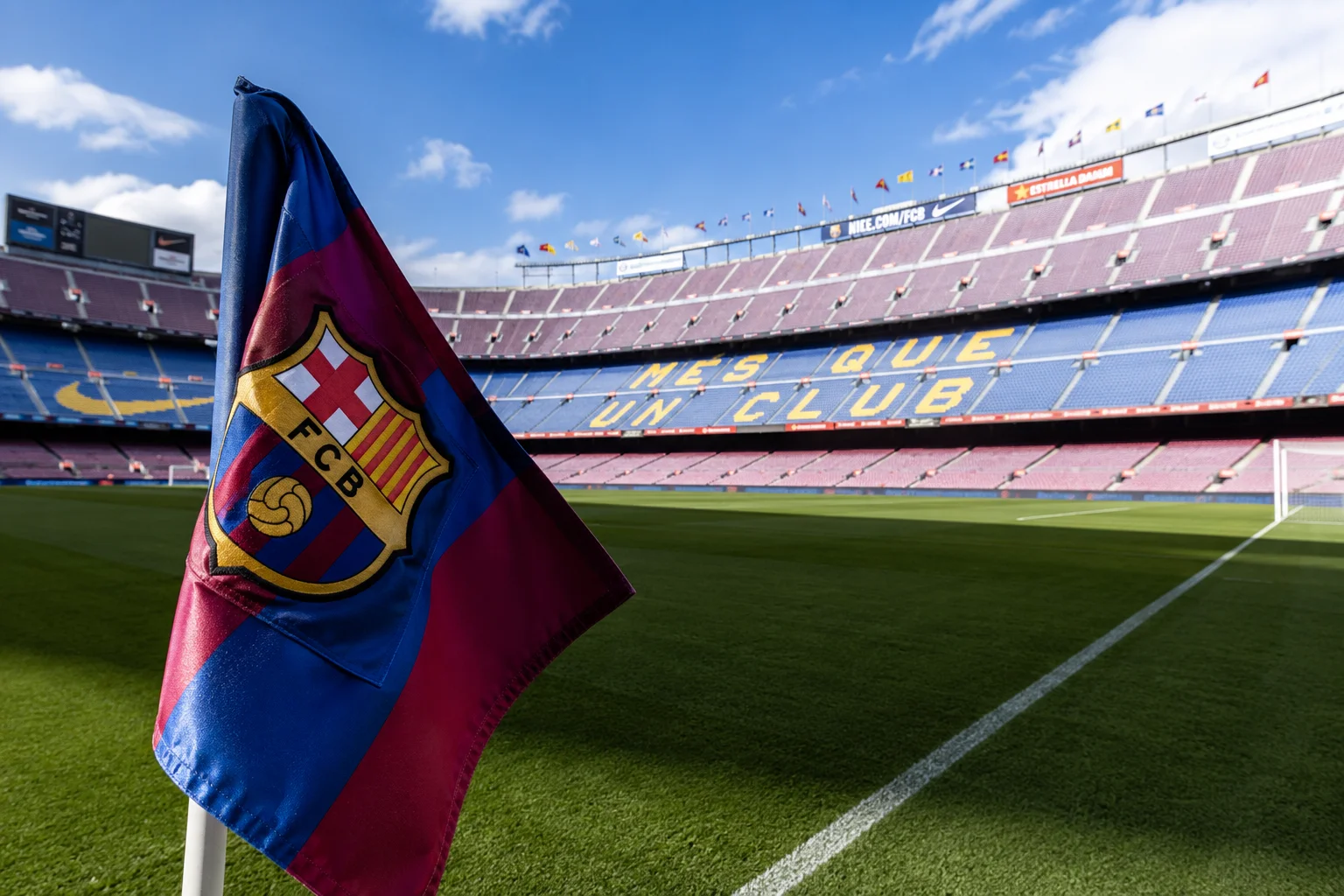
The Spanish top flight was founded in 1928 with Barcelona among the founder members, and they have appeared in every La Liga season since. In 98 campaigns the club has never gone down. Only Real Madrid and Athletic Bilbao can say the same.
Athletic's survival is the more remarkable feat given their Basque-only recruitment policy, but Barcelona's is not automatic either. The club has finished outside the top four on several occasions and spent long stretches financially overstretched. Twenty-nine league titles is the headline number. Ninety-eight seasons without a relegation is the harder one.
Fact 18: The record Camp Nou crowd is 120,000
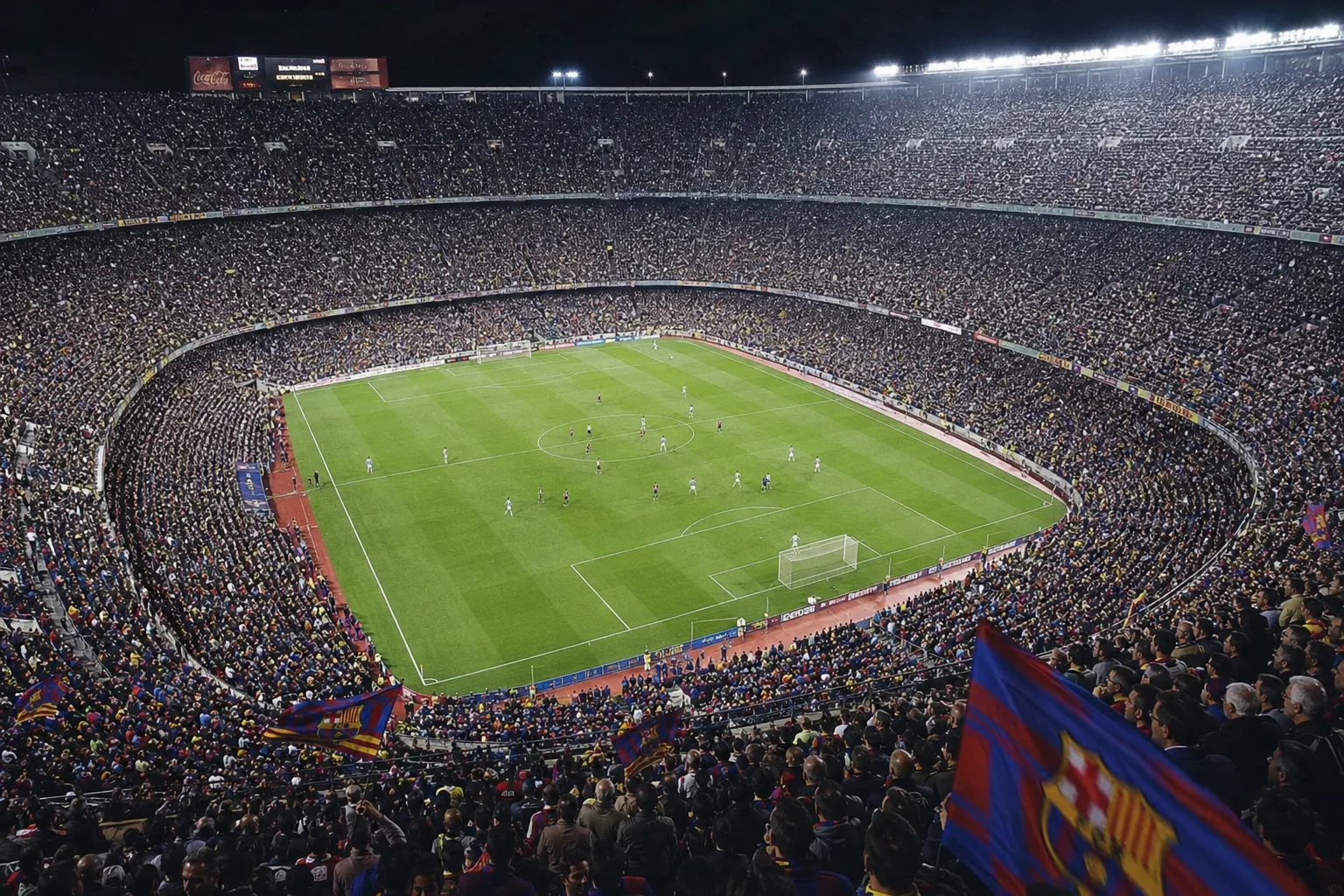
It was set on 5 March 1986 for a European Cup quarter-final against Juventus. The stadium's combined seated and standing capacity at the time was 121,401, so the ground finished 1,401 short of physically full. Barcelona won 1-0 through an 81st-minute Julio Alberto goal.
Standing was removed during the 1993/94 refit and the figure became unbeatable. Current capacity during the rebuild sits at 62,652 and rises to a planned 105,000 on completion, so the Camp Nou seating plan a supporter books from today looks nothing like the one it will offer in 2027.
Fact 19: Barcelona were the first club to win all six available trophies in a calendar year
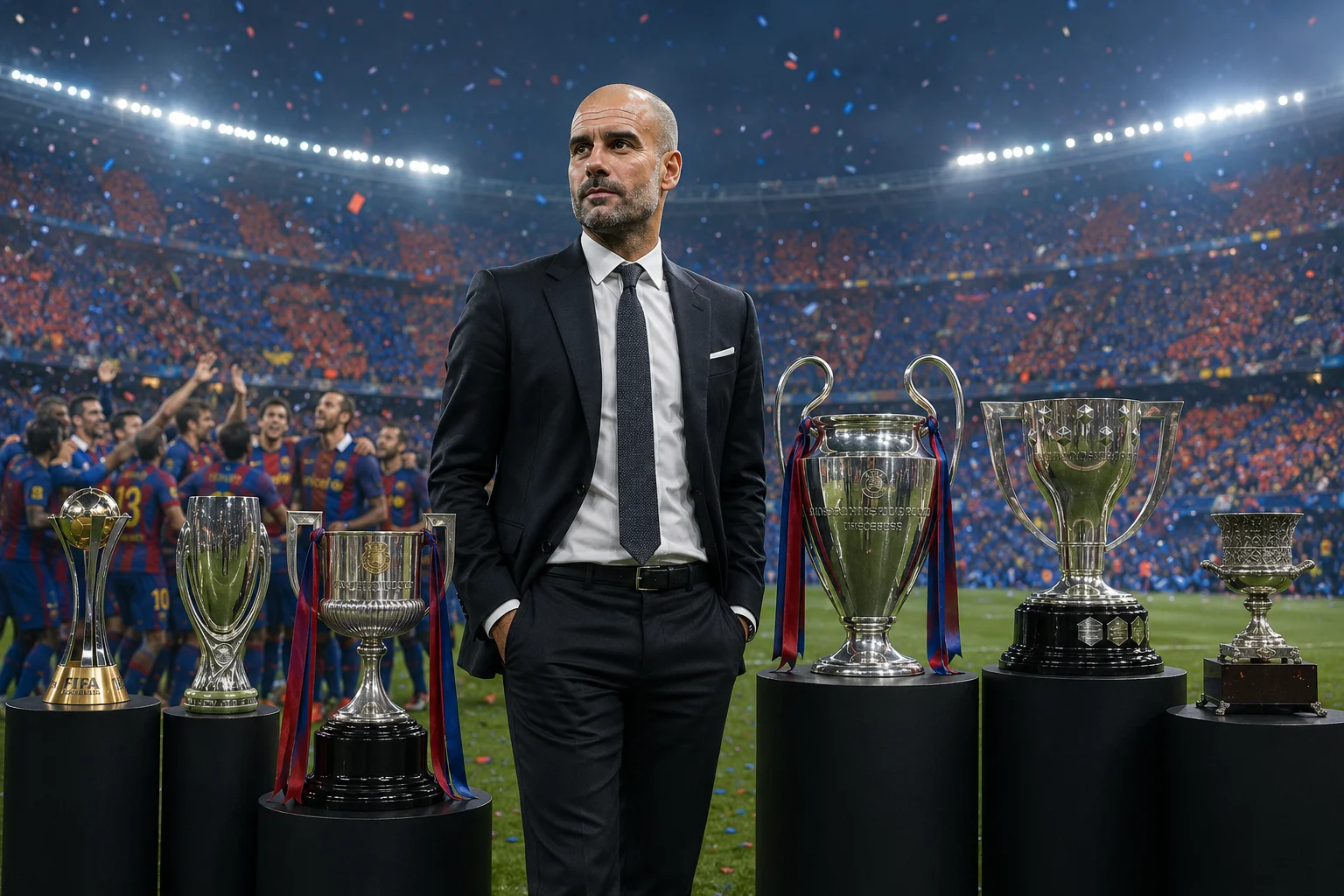
In 2009, Pep Guardiola's first year in senior management anywhere, Barcelona won the Copa del Rey, La Liga, the Champions League, the Spanish Super Cup, the European Super Cup and the Club World Cup. Nobody had done it before.
The last of the six nearly slipped. Estudiantes led the final in Abu Dhabi into stoppage time before Pedro forced extra time and Messi scored the winner with his chest in the 110th minute. Bayern Munich matched the feat in 2020, which leaves exactly two clubs in the group.
Fact 20: The two largest crowds in women's football history were both at Camp Nou
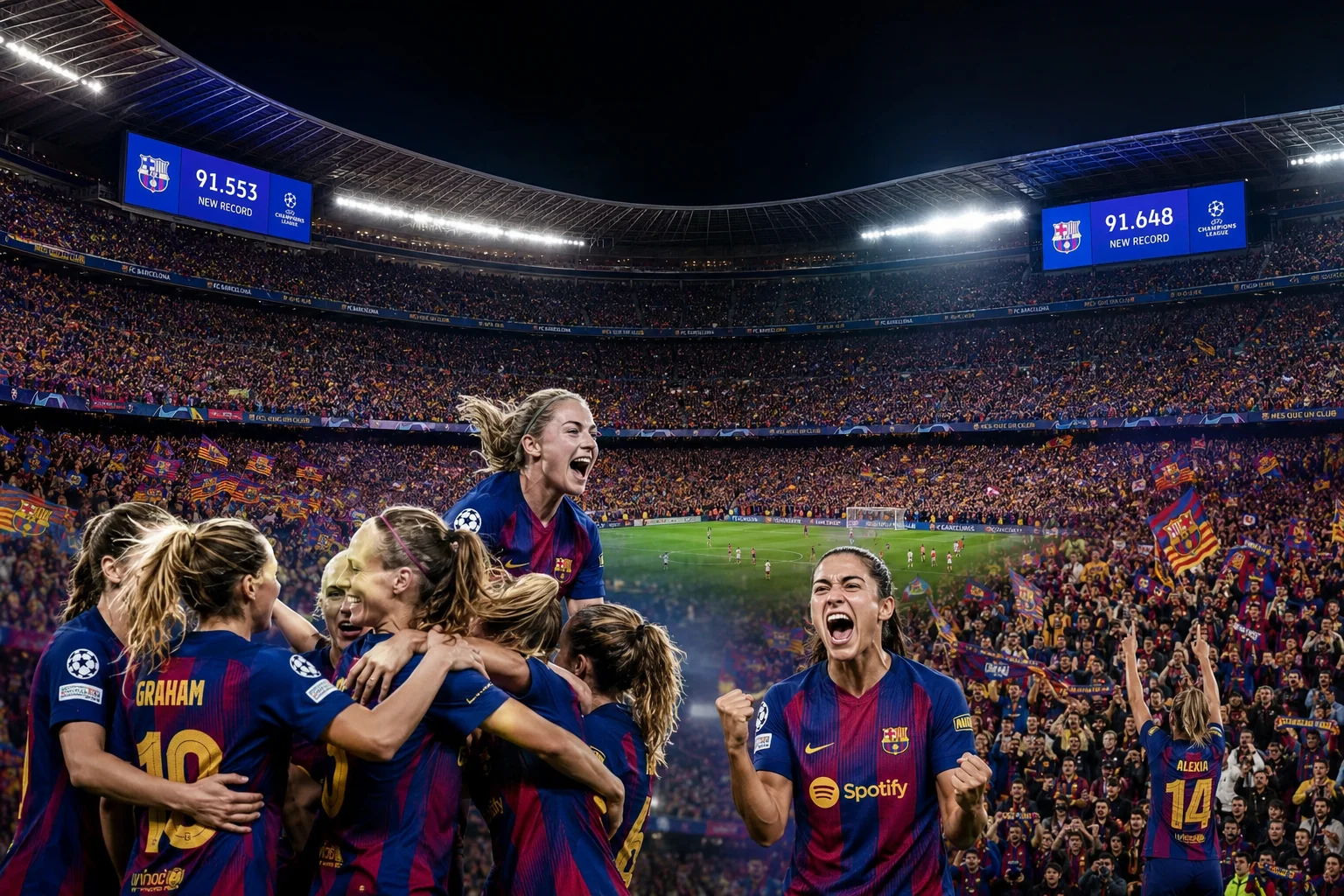
On 30 March 2022, 91,553 people watched Barca Femení beat Real Madrid 5-2 in a Champions League quarter-final, breaking a record that had stood since the 1999 World Cup final. Three weeks later, on 22 April, 91,648 turned up for the semi-final against Wolfsburg and broke it again.
Guinness World Records recognises the second figure as the largest attendance at a women's football match anywhere. Both crowds were larger than the men's team managed that season in their own Clásico, which drew 86,422.
Where the club stands going into 2026/27
Barcelona are back at Camp Nou after two and a half years away. The team returned on 22 November 2025 against Athletic Club with capacity capped at 45,401, and the city council approved a further phase in March 2026 that took it to 62,652. Completion is scheduled for 2027 at 105,000, which would restore it as the largest ground in Europe.
On the pitch, Hansi Flick's side retained the league in 2025/26 with 94 points and 95 goals, and became the first team in La Liga history to win all 19 home matches in a 38-game season. The season's biggest home crowd, 62,213, came for the Barcelona vs Real Madrid fixture on 10 May 2026. Off it, the socis re-elected Joan Laporta in March 2026 on a turnout of 42.34%, a reminder that this remains a club whose owners are its supporters rather than a fund or a state.
- Founded: 29 November 1899
- Stadium: Spotify Camp Nou, currently 62,652, rising to 105,000
- La Liga titles: 29
- Champions League titles: 5
- Copa del Rey titles: 32
- Members: more than 114,000 voted in the 2026 presidential election
If archive-sourced facts about a football club are your sort of thing, we have run the same treatment on Chelsea and on Liverpool.
FAQs
1. How many major trophies have FC Barcelona won?
-
The club's honours page lists 29 La Liga titles, 32 Copa del Rey titles, five Champions League titles and three Club World Cup titles, alongside a long list of Super Cups and Catalan competitions.
2. What does blaugrana actually mean?
-
It is a compound of the Catalan words blau and grana, meaning blue and deep red, and is used as a name for both the team and its supporters.
3. What is La Masia?
-
La Masia is the club's youth academy, named after the eighteenth century farmhouse beside the old stadium that housed young players from 1979 until the residence moved to a purpose-built facility in 2011.
4. Are Barcelona the only member-owned club in Spain?
-
No, four Spanish clubs retain the members' association structure rather than converting to a sporting public limited company: Barcelona, Real Madrid, Athletic Bilbao and Osasuna.
5. When did Barcelona last win the Champions League?
-
In 2015, beating Juventus 3-1 in the final in Berlin, the fifth of the club's five European titles after 1992, 2006, 2009 and 2011.
1BoxOffice has been a verified resale marketplace since 2006, and every order is covered by our 150% money-back guarantee, which matters more than usual for a club whose stadium capacity is still changing phase by phase.
Sources: FC Barcelona club archive and history sections; FC Barcelona Foundation; LaLiga; Guinness World Records; Catalan News; ESPN; The Stadium Business.