
Guide to FC Barcelona’s Temporary Home: Estadi Olímpic Lluís Companys
1. A Stadium with Olympic History
The Olympic Stadium was originally constructed for the 1929 International Exposition, a world’s fair that put Barcelona on the global stage. It officially opened on May 20, 1929, with great fanfare, including a rugby match between Spain and Italy and a football game featuring the Catalan national team versus Bolton Wanderers. The stadium was envisioned early on as an Olympic venue; Barcelona bid unsuccessfully for the 1936 Olympic Games, and a “People’s Olympiad” was even planned here in summer 1936 as an alternative to the Berlin Olympics.
Those plans were cut short by the outbreak of the Spanish Civil War, during which the stadium took on a humanitarian role, sheltering refugees of the war, and later providing refuge again for people displaced by Barcelona’s devastating floods of 1957-58. In the Franco era, the grand stadium saw relatively little sport; it was even used for odd purposes like driving license exams and occasional religious ceremonies. Despite years of disuse, Montjuïc’s “Olympic dream” stayed alive. In 1955, the stadium hosted the Mediterranean Games, keeping its Olympic spirit flickering. Ultimately, Barcelona’s perseverance paid off when the city was finally awarded the 1992 Summer Olympics on its fourth attempt.
Following 1992, the Estadi Olímpic remained a multi-purpose venue and gained a new name. In 2001, it was officially renamed in honor of Lluís Companys, the President of Catalonia during the 1930s, who was executed under the Franco regime. Over the years, it has hosted more than a thousand events, from European athletics championships to large-scale concerts by superstars like Michael Jackson, The Rolling Stones, Beyoncé, Coldplay, and many more. In fact, millions of spectators have attended events here since the 1990s. The stadium also became a temporary football home on two notable occasions: RCD Espanyol played their home matches here between 1997 and 2009 while awaiting a new ground, and an American football team (the Barcelona Dragons) used it in the 1990s for NFL Europe games. These varied chapters all contribute to the rich tapestry of Montjuïc’s sporting history, making it much more than just an Olympic relic.
2. Barça’s Home Away from Home (2023, Present)
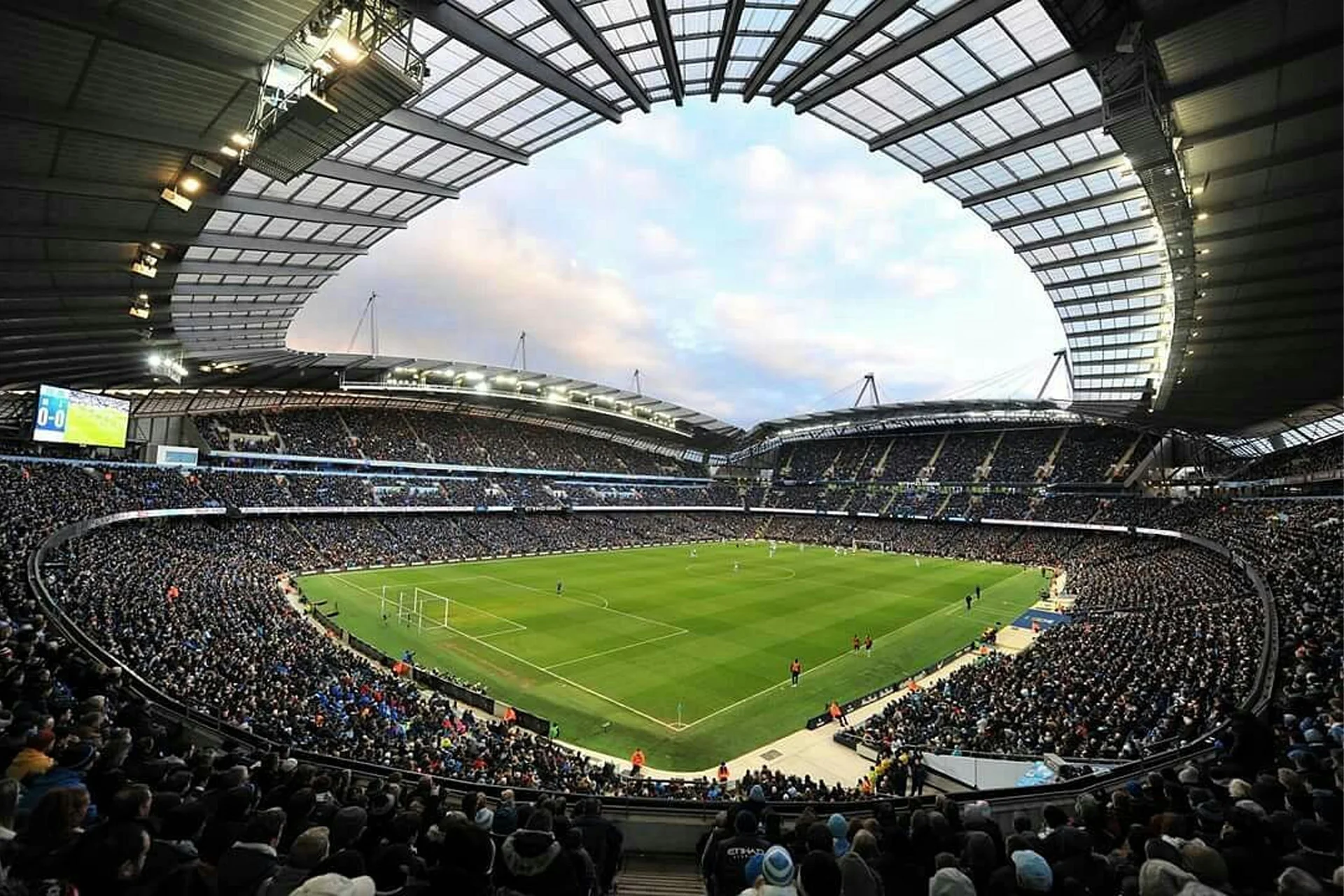
Today, Estadi Olímpic Lluís Companys has the unique honor of serving as FC Barcelona’s interim home ground. With Camp Nou under redevelopment, Barça relocated here starting with the 2023/24 season, and will continue to play at Montjuïc into part of 2024/25 until the new Camp Nou is ready. This is a rare moment in the club’s history, swapping the iconic 99,000-seat Camp Nou for a smaller venue on a scenic hilltop. Inside the Estadi Olímpic during a FC Barcelona match in 2023. The stadium seats around 55,000 for Barça games, with a running track around the pitch. Temporary upgrades (lighting, VIP areas, and tech like VAR) were added to meet modern football standards.
The club and city made several upgrades to ensure Montjuïc meets the needs of a top-tier football team. The pitch and drainage systems were refurbished, new press areas and hospitality suites installed, and modern broadcast and VAR technology implemented to comply with La Liga and UEFA requirements. Giant video scoreboards and improved floodlighting have also been added for the duration of Barça’s tenancy. One quirk of this ground is the athletics track circling the pitch, a legacy of its Olympic design.
3. What to Expect on Matchday?
Unlike Camp Nou, which is embedded in the city, Montjuïc is atop a park-covered hill, so the surrounding area feels different. Concessions and facilities are available inside, but there are fewer bars or restaurants immediately outside the stadium. Many fans socialise downtown or around Plaça d’Espanya before heading up. It’s wise to arrive a bit early, as reaching your seat involves passing through access gates, and you might need extra time for shuttle buses or climbing the footpaths. Once at the Olympic Ring complex, take a moment to soak in the history: the Olympic torch tower, the sweeping plaza, and the neighboring Palau Sant Jordi arena (another 1992 Olympic venue) all contribute to the atmosphere. And remember, you’re walking in a venue where Olympic champions triumphed and where Barcelona’s Dream Team era was honored during the ’92 Games; it’s truly hallowed ground for sports fans. By attending a match here, you become part of this stadium’s living history as it continues to make new memories for the city.
4. Getting to Estadi Olímpic
Montjuïc Hill is a short distance from Barcelona’s city center, but you should plan your route because the stadium sits on elevated parkland. Here are the best ways for traveling fans to reach the Lluís Companys Olympic Stadium:
- Metro + Shuttle Bus (Matchdays): The easiest way on game day is to take the Metro to Plaça d’Espanya station (served by L1 red line or L3 green line). From Plaça d’Espanya, FC Barcelona and local authorities provide free shuttle buses that ferry fans up Montjuïc to the stadium’s vicinity. The shuttles typically run starting about 2 hours before kickoff and again after the final whistle, departing every few minutes in convoys. Just follow the signs or the crowd outside the metro, shuttle pick-up points are usually near Plaça d’Espanya (by the Venetian Towers) and at Carrer del Foc. The ride takes around 15,20 minutes, depending on traffic. This option is very convenient and highly recommended for Barça matches, as roads on Montjuïc are partially closed to private traffic on game days.
- Metro + Funicular (Tourist route): If you’re exploring on a non-matchday or prefer a scenic route, you can ride the Montjuïc Funicular. Catch it from Paral·lel Metro station (L2 purple or L3 green line) up to Montjuïc. The funicular is essentially an extension of the metro that climbs the hill in just a few minutes. At the top funicular station, it’s about a 15-20 minute walk through the Montjuïc park to reach the stadium. The walk is pleasant and passes by gardens and the Olympic Museum, but note it’s uphill and can be a workout. (There are also outdoor escalators in some sections of Montjuïc near the art museum, which can help with the climb). Wear comfortable shoes if you choose this route.
- City Bus: Barcelona’s public buses can get you close to the stadium as well. Line 150 runs from Plaça d’Espanya up to Montjuïc Castle and stops near the Olympic Stadium (at “Estadi Olímpic” stop). Line 55 from Av. Paral·lel also goes up the hill and has a stop by the stadium. These buses are regular TMB city buses; on matchdays, they may be crowded, but on non-match days, they are a straightforward way to visit the Olympic sites. Always check the latest schedules, as routes can change during events.
- Taxi or Rideshare: A taxi or Uber/Bolt/Cabify can take you up close to the stadium entrance in about 10,15 minutes from most central locations. This is convenient if you’re short on time or traveling in a group. However, on matchdays, road access is restricted near the top; your driver will have to drop you a fair bit away from the stadium, such as at Plaça d’Espanya or the base of Montjuïc, due to traffic controls. Be prepared to walk the last stretch if you go by car, especially when tens of thousands of fans are heading the same way.
- Walking or Cycling: For the truly adventurous, you can hike up to the stadium. It’s about 2 km uphill from Plaça d’Espanya, which might take 25-30 minutes on foot. The route up Avenida Maria Cristina and the Olympic steps is steep but offers great views behind you. There are also bike lanes part of the way (and a new cycle path from Plaça d’Espanya to Montjuïc has been added), but cycling up requires strong legs or an e-bike due to the gradient. Unless you’re very keen, most fans will prefer the options above to save energy for cheering at the match.
If you have time, consider taking the Montjuïc Cable Car from the funicular station up to Montjuïc Castle for panoramic city views, then walk down to the stadium. It’s not the most direct way on a matchday, but it’s a spectacular ride and you’ll literally arrive from above! The cable car isn’t included in standard transit tickets, though, and is more of a tourist activity.
5. Tips for Visiting Montjuïc Stadium
- Plan for Weather: The Olympic Stadium is open-air and at a higher elevation than downtown, so bring a jacket or layer up for evening games, it can get breezy or cooler up on Montjuïc. Conversely, for early-season daytime matches, sunscreen and a hat are advisable as parts of the stands are unshaded.
- Arrive Early: Give yourself plenty of time before kickoff. Aim to be at Plaça d’Espanya or on the funicular at least an hour before the match. The shuttles and funicular will get very busy as kickoff nears, and security checks at the stadium can take time. Arriving early not only avoids last-minute stress but also lets you wander around the Olympic Park. You can snap photos by the Calatrava Communications Tower (the futuristic white spire next to the stadium) or the Olympic flame cauldron, and soak up the pre-game atmosphere with fellow fans in the Olympic Plaza.
- Explore the Olympic Museum: Adjacent to the stadium is the Joan Antoni Samaranch Olympic and Sports Museum. If you’re a sports enthusiast, it’s worth a visit to learn more about Barcelona’s Olympic legacy and see memorabilia from the 1992 Games and other sporting events. Check the opening hours; you might visit in the morning or the day before a match.
- Refreshments and Facilities: Once you’re at the stadium, you’ll find the usual concessions selling snacks, water, beer, and souvenirs. Keep in mind that Montjuïc doesn’t have the dense network of bars and restaurants that surround Camp Nou or city-center stadiums. It’s a park area, so meal options before/after the game are somewhat limited on the hill. Many fans grab dinner in neighborhoods like Poble-sec or around Plaça d’Espanya (which has plenty of tapas bars, restaurants, and even a mall in the old bullring) and then head up. Likewise, post-match, you may head back down to those areas (the shuttle buses will return you to Plaça d’Espanya) if you’re looking to celebrate a victory with food or drinks.
- Respect the Heritage: Montjuïc Stadium is not just another football ground, it’s a piece of Catalan sporting history. Be sure to note the plaque commemorating Lluís Companys (for whom the stadium is named) and the ornate Marathon Gate on the north end of the stadium, which is a remnant of the original 1929 design. Even the facade you pass by is the same one spectators walked through almost a century ago, now preserved as a symbol of the city’s Olympic aspirations. Taking a moment to appreciate these features will enrich your visit.
For FC Barcelona fans traveling to see their team at the Montjuïc Olympic Stadium, it’s truly a one-of-a-kind experience. You’ll be watching football in a venue that links Barcelona’s past and present, from the grand Expo of 1929 and the Olympic glory of 1992, to the current chapter with Barça calling it home. While it’s a temporary arrangement, it’s also a chance to be part of the stadium’s living history as it continues to evolve. Enjoy the match, the views, and the historical ambiance. When Barça eventually returns to the new Camp Nou, you’ll have the special memory of having cheered them on from the hilltop where Barcelona once said “Hola!” to the world.
You can book 100% genuine and guaranteed tickets to football matches from 1BoxOffice.