In this guide
The leading scorers after the 2026 World Cup1. Kylian Mbappé takes the record2. Lionel Messi finishes one short3. Miroslav Klose and the mark he held for a decade4. Ronaldo, Pelé and the Brazilian tradition5. Cristiano Ronaldo makes his own history6. Harry Kane, Gary Lineker and England's scorersThe nations with the most World Cup goalsMost goals at a single World CupEvery Golden Boot winner since 1982Records that may never fallA bigger tournament, more room to scoreFAQsKylian Mbappé sits alone at the head of the World Cup top goalscorers chart. The France captain scored twice in the third-place playoff against England on 18 July 2026 to reach 22 goals, passing Lionel Messi with the closing kicks of his own tournament and taking a record the Argentine had held for less than a month.
It closed a record-rewriting summer at the first 48-team finals. Miroslav Klose's mark of 16 had looked untouchable for a decade, yet Messi and Mbappé both went past it inside three weeks, Mbappé won a second Golden Boot with 10 goals and Cristiano Ronaldo became the first man to score at six different World Cups. Tickets across 1BoxOffice, including the World Cup 2026 pages, carry a 150% money-back guarantee.
The leading scorers after the 2026 World Cup
Here is how the chart looks now the 2026 tournament is complete. The years column shows the tournaments in which each player found the net, and an asterisk marks the men who played in North America this summer.
| Rank | Player | Nation | Goals | Matches | Tournaments |
|---|---|---|---|---|---|
| 1 | Kylian Mbappé* | France | 22 | 22 | 2018 to 2026 |
| 2 | Lionel Messi* | Argentina | 21 | 34 | 2006 to 2026 |
| 3 | Miroslav Klose | Germany | 16 | 24 | 2002 to 2014 |
| 4 | Ronaldo | Brazil | 15 | 19 | 1998 to 2006 |
| 5= | Gerd Müller | West Germany | 14 | 13 | 1970 to 1974 |
| 5= | Harry Kane* | England | 14 | 18 | 2018 to 2026 |
| 7 | Just Fontaine | France | 13 | 6 | 1958 |
| 8 | Pelé | Brazil | 12 | 14 | 1958 to 1970 |
| 9= | Sándor Kocsis | Hungary | 11 | 5 | 1954 |
| 9= | Jürgen Klinsmann | Germany | 11 | 17 | 1990 to 1998 |
| 9= | Cristiano Ronaldo* | Portugal | 11 | 26 | 2006 to 2026 |
| 12= | Gabriel Batistuta | Argentina | 10 | 12 | 1994 to 2002 |
| 12= | Teófilo Cubillas | Peru | 10 | 13 | 1970 to 1978 |
| 12= | Grzegorz Lato | Poland | 10 | 20 | 1974 to 1982 |
| 12= | Gary Lineker | England | 10 | 12 | 1986 to 1990 |
| 12= | Thomas Müller | Germany | 10 | 19 | 2010 to 2014 |
| 12= | Helmut Rahn | West Germany | 10 | 10 | 1954 to 1958 |
* Played at the 2026 World Cup.
Just below them sits a cluster of nine goals: Brazil's Ademir and Vavá, Portugal's Eusébio and Italy's Christian Vieri.
1. Kylian Mbappé takes the record
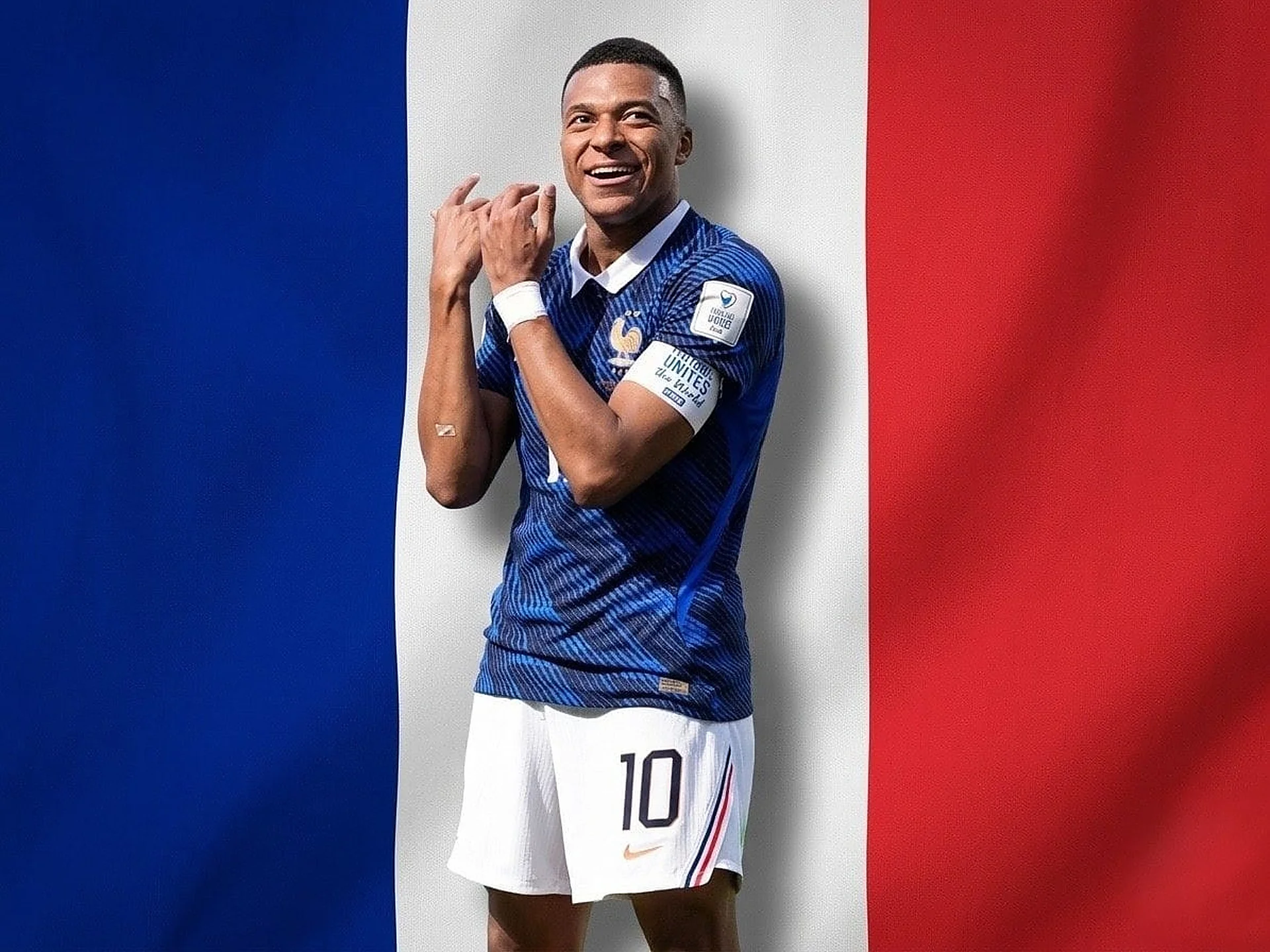
Kylian Mbappé is the all-time leading scorer at the World Cup, on 22 goals. He went into the third-place playoff against England on 18 July one behind Lionel Messi, then scored twice after the break in Miami, the second from Michael Olise's pass, to pass the Argentine with the closing kicks of his own tournament. France lost the match 6-4, the highest-scoring game at the finals since 1982, but their captain flew home holding the record.
The climb was quick. He matched Klose's old mark of 16 during the group stage, with a brace against Iraq that followed the two he scored against Senegal in his opening game, then a brace against Sweden in the round of 32 carried him past it, a penalty settled the last-16 tie with Paraguay and a curling finish saw off Morocco in the quarter-finals. Ten goals in one tournament made him the first player to reach double figures since Gerd Müller in 1970 and only the fourth in the competition's history, after Just Fontaine, Sándor Kocsis and Müller. Nobody has scored more in World Cup knockout matches.
Still only 27, he reached the mark at an age no previous holder approached, with Klose 36 when he passed Ronaldo in 2014 and Messi 38 when he passed Klose in June. He has scored at three tournaments in a row and had already gone by Olivier Giroud to become France's all-time leading scorer. The 10 goals also brought a second Golden Boot, after Qatar in 2022, making him the first player to win the award twice. Spain ended the French run 2-0 in the semi-finals, in Didier Deschamps' last tournament in charge after 14 years, so Mbappé leaves North America with the record rather than a second winners' medal.
2. Lionel Messi finishes one short
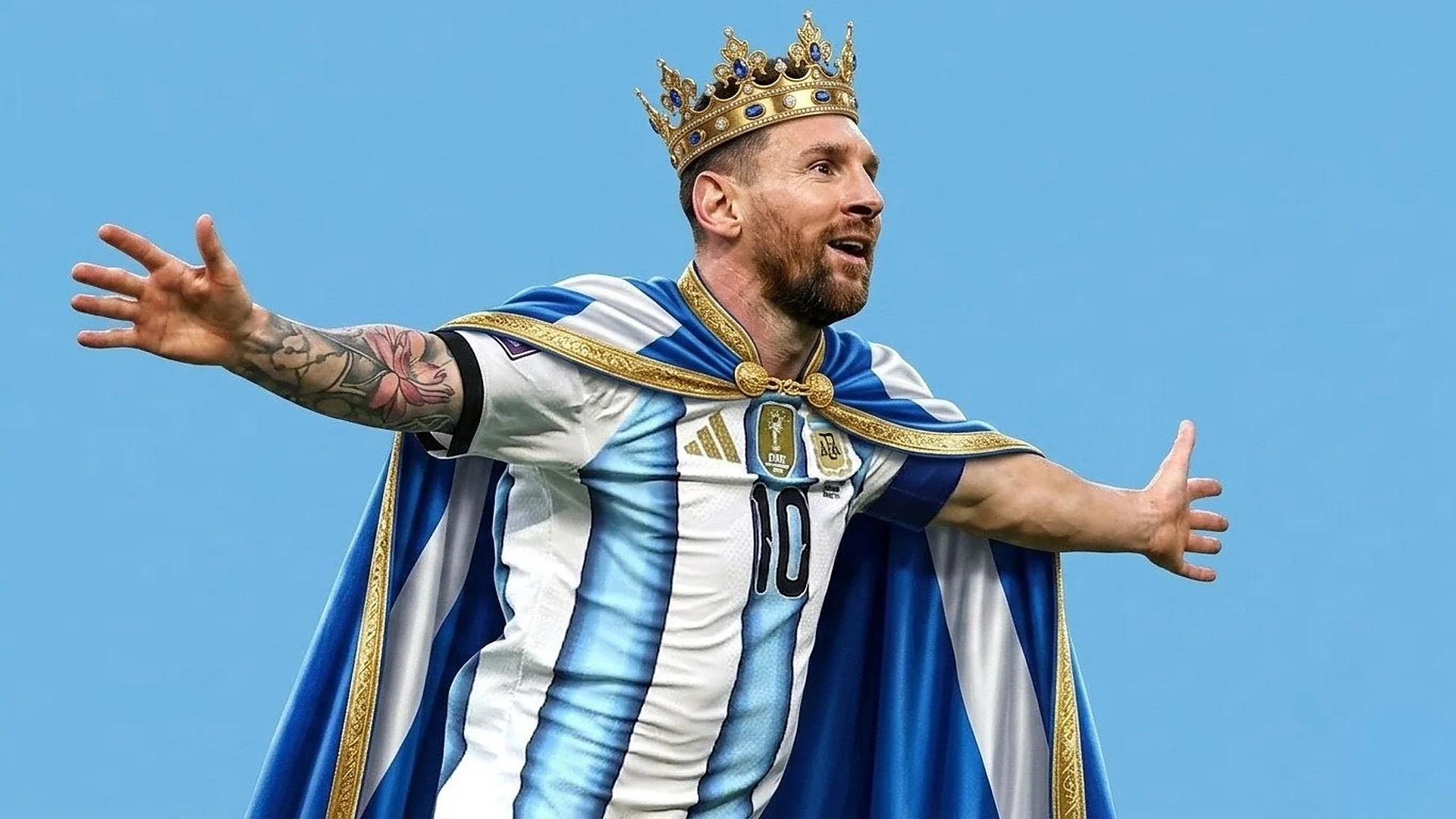
Lionel Messi held the record for 26 days. He went into the Austria game level with Klose, having hit a hat-trick against Algeria in Kansas City to open Argentina's title defence. He missed a penalty early on, then curled home a cutback in the 38th minute for goal number 17 and the outright lead, and a second deep in stoppage time made it 18. That also took him past Marta's 17, the most scored at the women's finals, so the highest tally in either competition belonged to him until Mbappé went by on the final Saturday.
The numbers behind the run are their own story. He is the only man to feature at six World Cups, and with a free kick off the bench against Jordan he became the first player to score in seven consecutive matches at the finals, a run he stretched to nine against Cape Verde and Egypt, leaving Just Fontaine in 1958 and Brazil's Jairzinho in 1970, who each managed six, well behind. His combined haul of goals and assists is the highest the competition has produced. At 39 he did all of it across a record 34 World Cup matches, and he was the oldest outfield player ever to appear in a semi-final. Gabriel Batistuta, on 10, is the next Argentine on the list, which shows how far clear Messi stands among his countrymen.
The ending was cruel. Argentina won Group J with a perfect record, then ground out four tense knockout wins, beating Cape Verde, Egypt and Switzerland before a 2-1 comeback against England in the semi-final, with Messi assisting both late goals in Atlanta. Spain settled the final in extra time through Ferran Torres, a 1-0 defeat that denied Argentina a second successive title and left Messi on eight goals for the tournament, two behind Mbappé in the Golden Boot race, the one prize that has always escaped him.
WhatsApp channel
Sports news straight to your phone
Match updates, on-sale dates and ticket news from 1BoxOffice.
3. Miroslav Klose and the mark he held for a decade
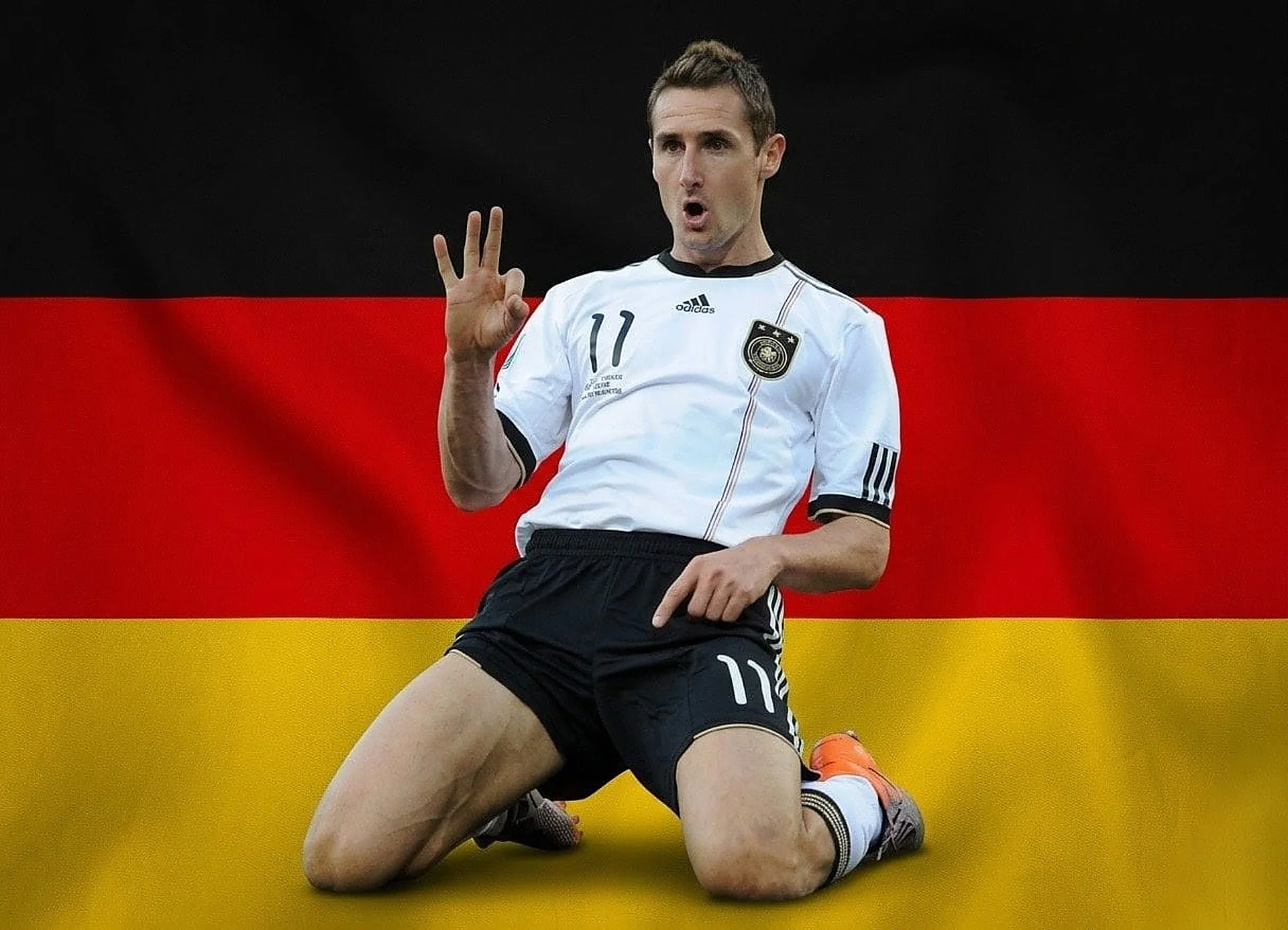
Klose reached 16 across four tournaments between 2002 and 2014, in 24 matches. He was the art of the penalty-box poacher: headers, rebounds and tap-ins rather than long-range strikes, repeated with metronomic consistency over 12 years. He passed Ronaldo's previous record of 15 during the 2014 semi-final rout of Brazil, the same night Germany went top of the all-time nation chart. Not one of his 16 came from the penalty spot, which still leaves him with the most non-penalty goals in finals history even as Messi and Mbappé move clear of him on the all-time list.
No country has produced more leading marksmen. Behind Klose sit Gerd Müller on 14, Jürgen Klinsmann on 11 and Thomas Müller on 10, with Helmut Rahn, scorer of the winning goal in the 1954 final, also reaching double figures. Gerd Müller carries a distinction all of his own as the only man to win both the Golden Boot and the Golden Ball at the same World Cup, in 1970. Germany topped Group E but went out to Paraguay on penalties in the round of 32, ending their run in North America.
4. Ronaldo, Pelé and the Brazilian tradition
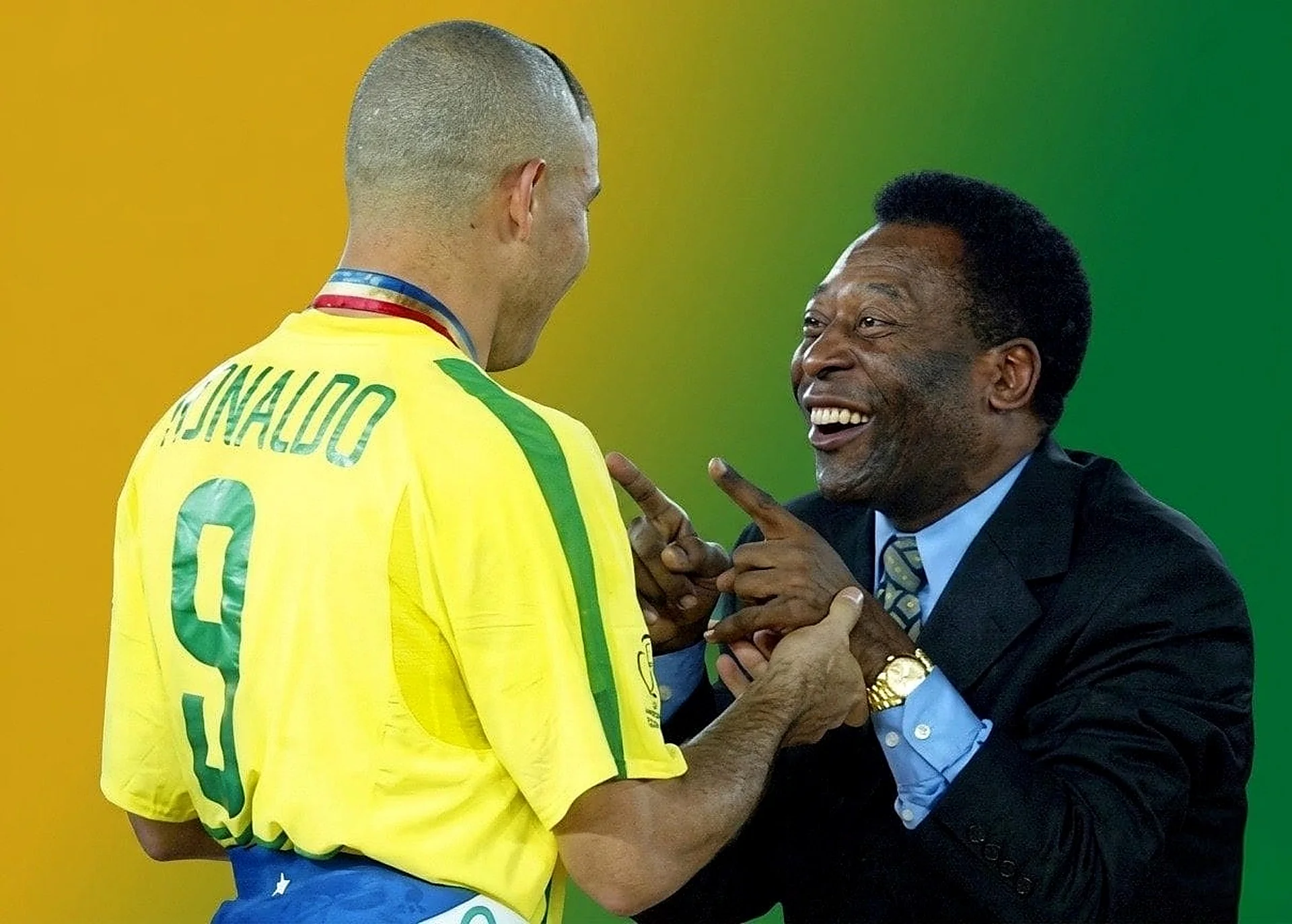
Brazil's Ronaldo held the record at 15 for eight years until Klose passed him, a total built across the 1998, 2002 and 2006 tournaments. His eight goals in 2002 dragged Brazil to the title and matched the highest haul by any leading scorer in the modern era. Pelé, on 12, scored at four World Cups and won three of them, the only player to manage that.
Brazil remain the highest-scoring nation in the competition's history and the only side to appear at every edition. Neymar, with 79 goals for his country, overtook Pelé as Brazil's all-time leading scorer across all matches in 2023, though at the finals themselves he sits well behind Ronaldo and Pelé. A calf injury kept him out of the group stage, and Brazil advanced without him: Vinícius Júnior carried the attack before a late Gabriel Martinelli strike saw off Japan 2-1 in the round of 32 and sent Brazil into the last 16.
5. Cristiano Ronaldo makes his own history
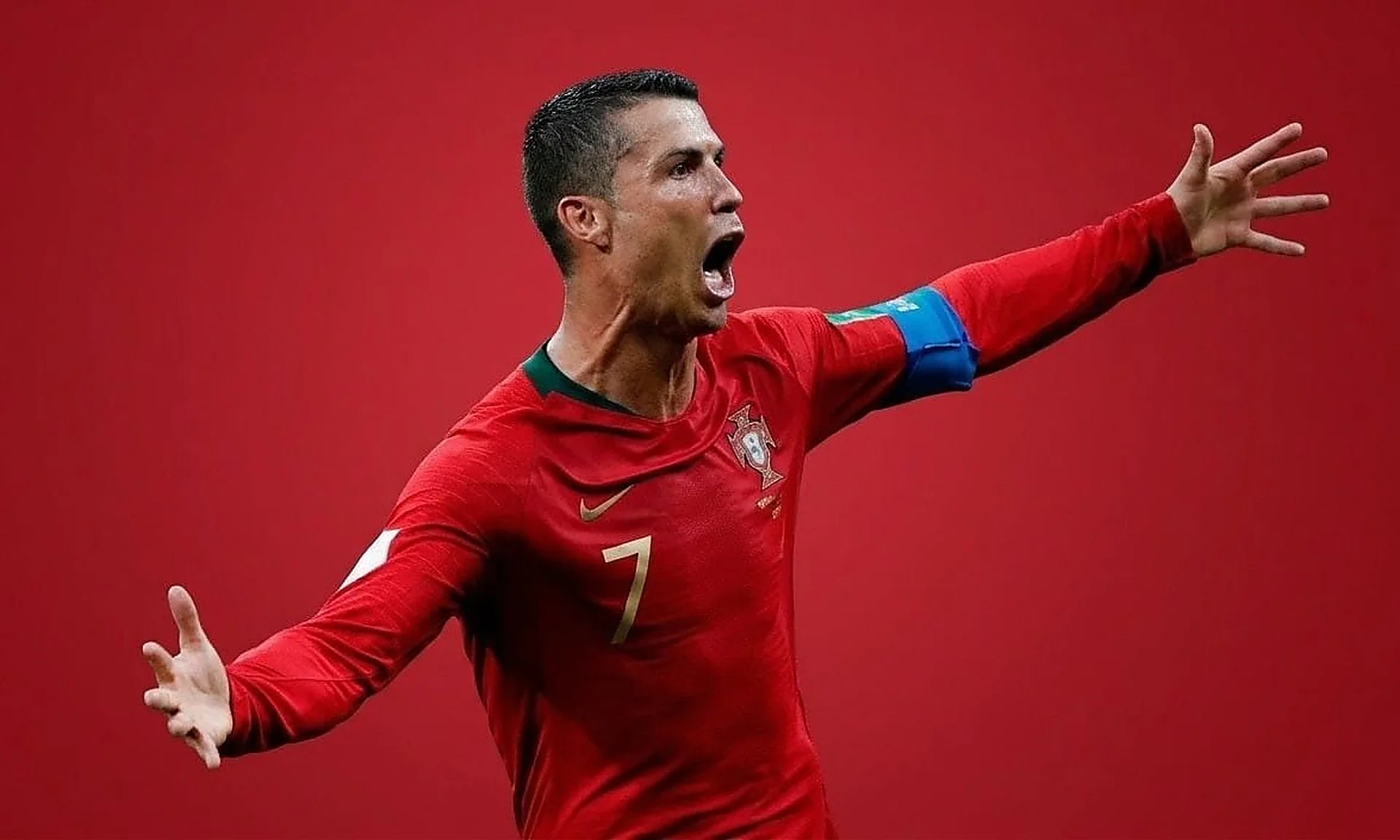
Cristiano Ronaldo answered a quiet opener in style. After being kept off the scoresheet in a 1-1 draw with DR Congo, he struck twice against Uzbekistan in a 5-0 win in Houston to reach 10 finals goals, then converted a penalty against Croatia in the round of 32 to move to 11 and level with Sándor Kocsis and Jürgen Klinsmann on the all-time list. The first of those goals carried far more weight than the scoreline: it made him the first player, man or woman, to score at six different World Cups, a span that runs from Germany 2006 to North America 2026.
At 41, he is the second-oldest scorer in finals history, behind only Roger Milla, who was 42 when he netted against Russia in 1994. Portugal's other great finals scorer is Eusébio, whose nine goals in 1966, including four in a single comeback against North Korea, carried his side to a semi-final and won him that tournament's scoring prize. A goalless draw with Colombia left Portugal second in their group, and they edged Croatia 2-1 in the round of 32: Ivan Perisic put Croatia ahead, Ronaldo levelled from the penalty spot, and Gonçalo Ramos headed a stoppage-time winner. Portugal's run ended in the last 16, beaten 1-0 by Spain, so Ronaldo bows out on 11 finals goals, a record that stretches back two decades.
6. Harry Kane, Gary Lineker and England's scorers
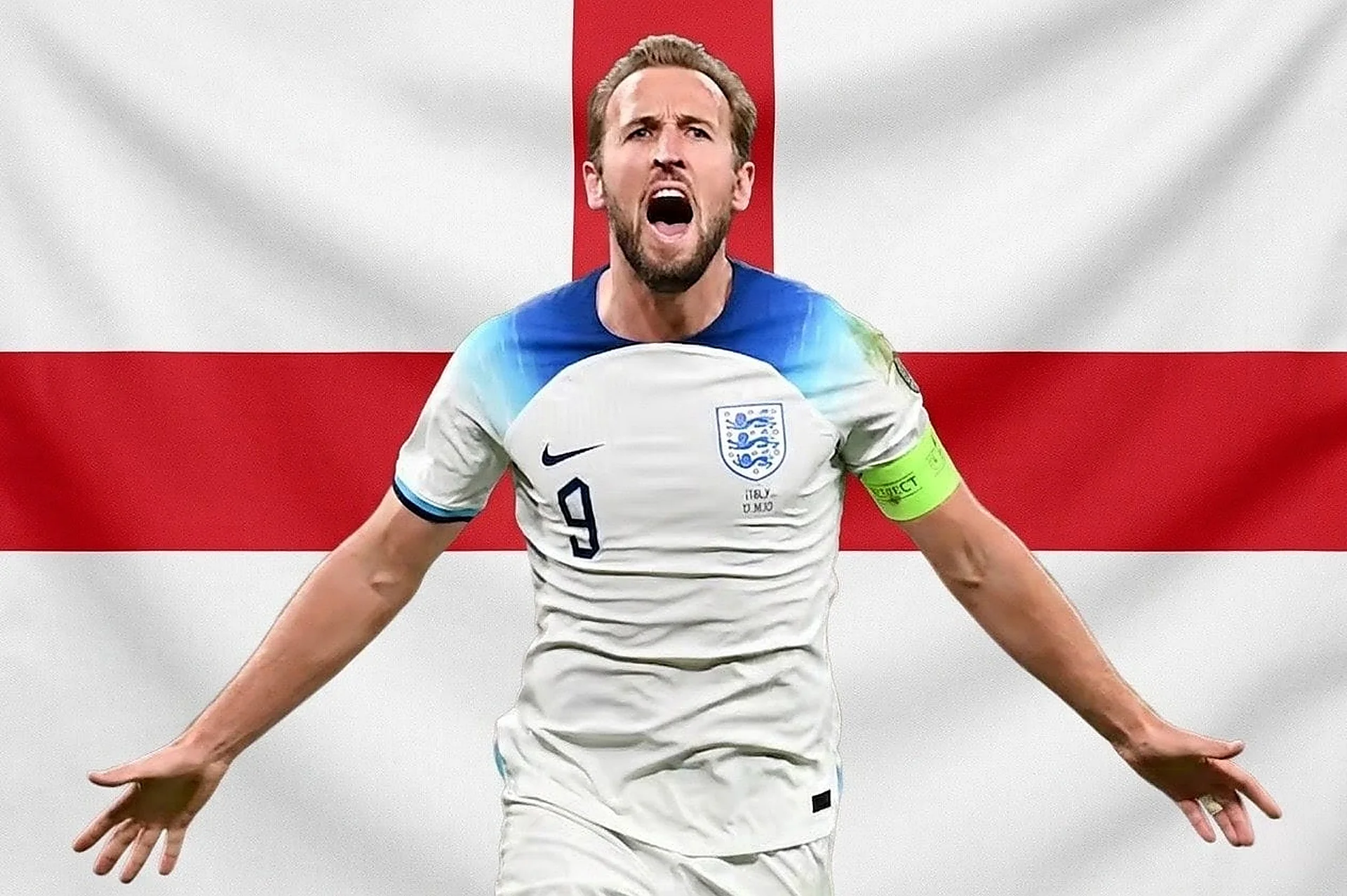
Harry Kane is England's outright leading scorer at the World Cup and has now moved above Pelé on the all-time list. A brace against Croatia in the opener drew him level with Gary Lineker on 10, a header against Panama took him to 11, then two late goals against DR Congo in the round of 32 carried him to 13, and a penalty against Mexico in the last 16 took him to 14 and level with Gerd Müller. Kane won the Golden Boot in 2018, when his six strikes took England to a semi-final, and he also holds the record for the most penalty goals in finals history, a tally the Mexico spot-kick moved to six.
England came from behind to beat DR Congo 2-1 in the round of 32, then edged co-hosts Mexico 3-2 at the Estadio Azteca, Kane scoring the decisive penalty and assisting one of Jude Bellingham's two goals. Bellingham's goals also saw off Norway in the quarter-finals, but Argentina ended England's run in the semi-final, a 2-1 defeat in Atlanta that prolonged the 60-year wait for another final. Thomas Tuchel then rested Kane for the third-place playoff, where England beat France 6-4 to take bronze, their best showing since they won the tournament in 1966, leaving the captain on six goals for the summer and 14 in all. Four of his finals goals have come against Panama across two tournaments, the most by any England player against a single opponent, while Jude Bellingham's seven this summer are the most by an England player at a single World Cup.
The nations with the most World Cup goals
Career records are only part of the picture. At national level, two countries have pulled clear of the field over more than half a century. The totals below run through the 2022 finals, before the goals scored across the 104 matches of 2026 are added.
| Rank | Nation | World Cup goals | Titles |
|---|---|---|---|
| 1 | Brazil | 237 | 5 |
| 2 | Germany | 232 | 4 |
| 3 | Argentina | 152 | 3 |
| 4 | France | 136 | 2 |
| 5 | Italy | 128 | 4 |
| 6 | Spain | 108 | 1 |
| 7 | England | 104 | 1 |
| 8 | Hungary | 87 | 0 |
Brazil and Germany are separated by just five goals, a lead that has changed hands more than once and could move again this summer. Hungary's place near the top, despite not qualifying since 1986, is a reminder of how prolific their 1950s sides were. With 104 matches and 48 teams, every figure here will climb before the final on 19 July.
Most goals at a single World Cup
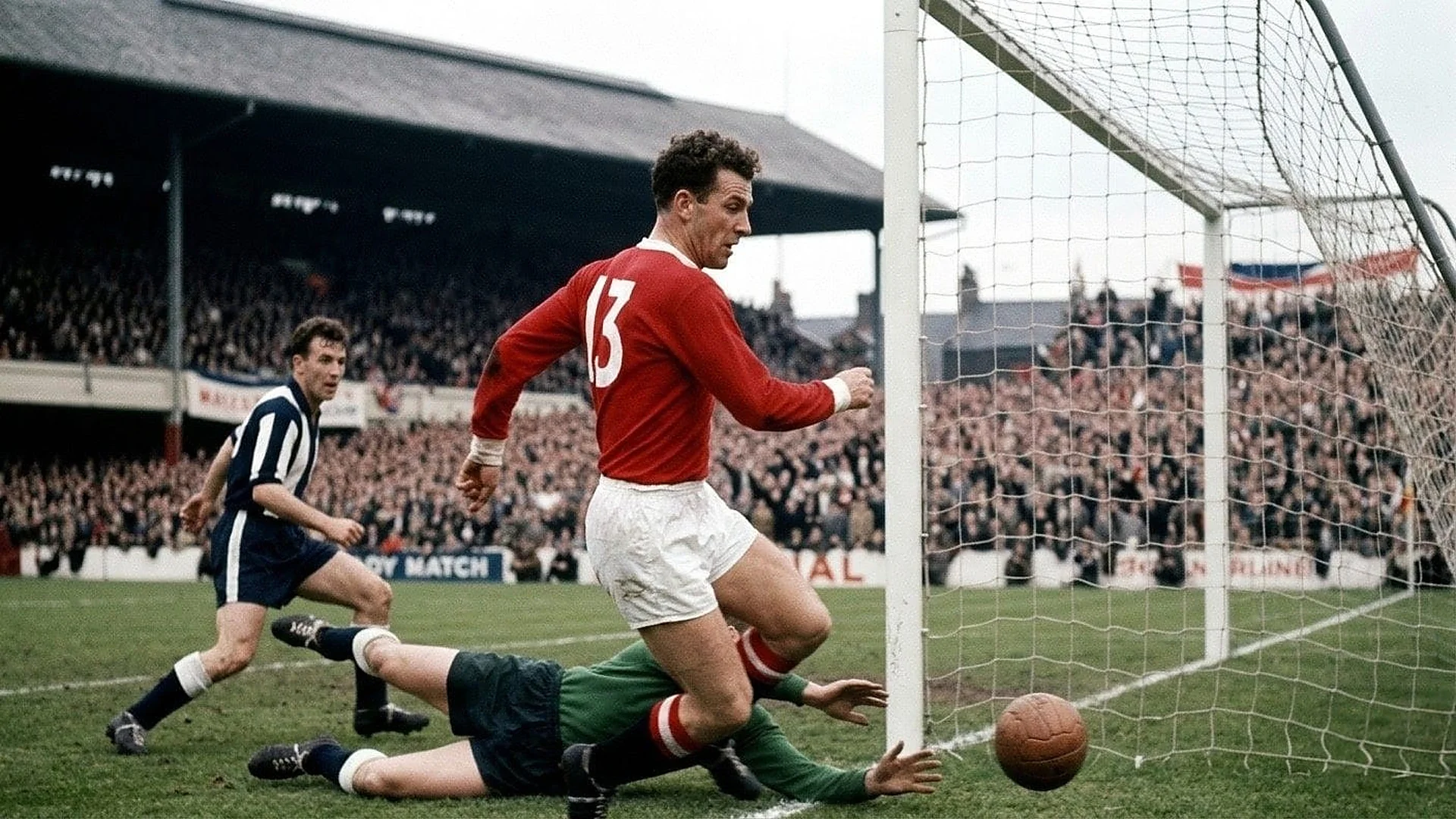
No single-tournament haul has come close to matching what Just Fontaine produced in 1958.
| Goals | Player | Nation | Year |
|---|---|---|---|
| 13 | Just Fontaine | France | 1958 |
| 11 | Sándor Kocsis | Hungary | 1954 |
| 10 | Gerd Müller | West Germany | 1970 |
| 10 | Kylian Mbappé* | France | 2026 |
| 9 | Eusébio | Portugal | 1966 |
| 8 | Guillermo Stábile | Argentina | 1930 |
| 8 | Ronaldo | Brazil | 2002 |
| 8 | Kylian Mbappé* | France | 2022 |
| 8 | Lionel Messi* | Argentina | 2026 |
* Played at the 2026 World Cup.
Fontaine scored 13 times in only six matches, a rate no modern player approaches in a competition that now asks for more games and yields fewer goals. Behind him, only Kocsis, Gerd Müller and now Mbappé have reached double figures at one finals, the Frenchman's 10 in 2026 ending a 56-year wait for the feat.
Every Golden Boot winner since 1982
The top-scorer award has been presented since 1982, when it was known as the Golden Shoe. Earlier leading scorers are recognised in hindsight, with Fontaine's 13 the standout of those years.
| Year | Host | Winner | Nation | Goals |
|---|---|---|---|---|
| 1982 | Spain | Paolo Rossi | Italy | 6 |
| 1986 | Mexico | Gary Lineker | England | 6 |
| 1990 | Italy | Salvatore Schillaci | Italy | 6 |
| 1994 | USA | Salenko and Stoichkov | Russia and Bulgaria | 6 |
| 1998 | France | Davor Šuker | Croatia | 6 |
| 2002 | Korea and Japan | Ronaldo | Brazil | 8 |
| 2006 | Germany | Miroslav Klose | Germany | 5 |
| 2010 | South Africa | Thomas Müller | Germany | 5 |
| 2014 | Brazil | James Rodríguez | Colombia | 6 |
| 2018 | Russia | Harry Kane* | England | 6 |
| 2022 | Qatar | Kylian Mbappé* | France | 8 |
| 2026 | Canada, Mexico and USA | Kylian Mbappé* | France | 10 |
* Played at the 2026 World Cup.
Six goals have been enough to win the award in most modern tournaments, so Mbappé's 10 in 2026 stands well clear, and his second win makes him the first player to take the award twice. Klose's win in 2006 came in the middle of a run that saw him finish among the leading scorers at four straight World Cups.
Records that may never fall
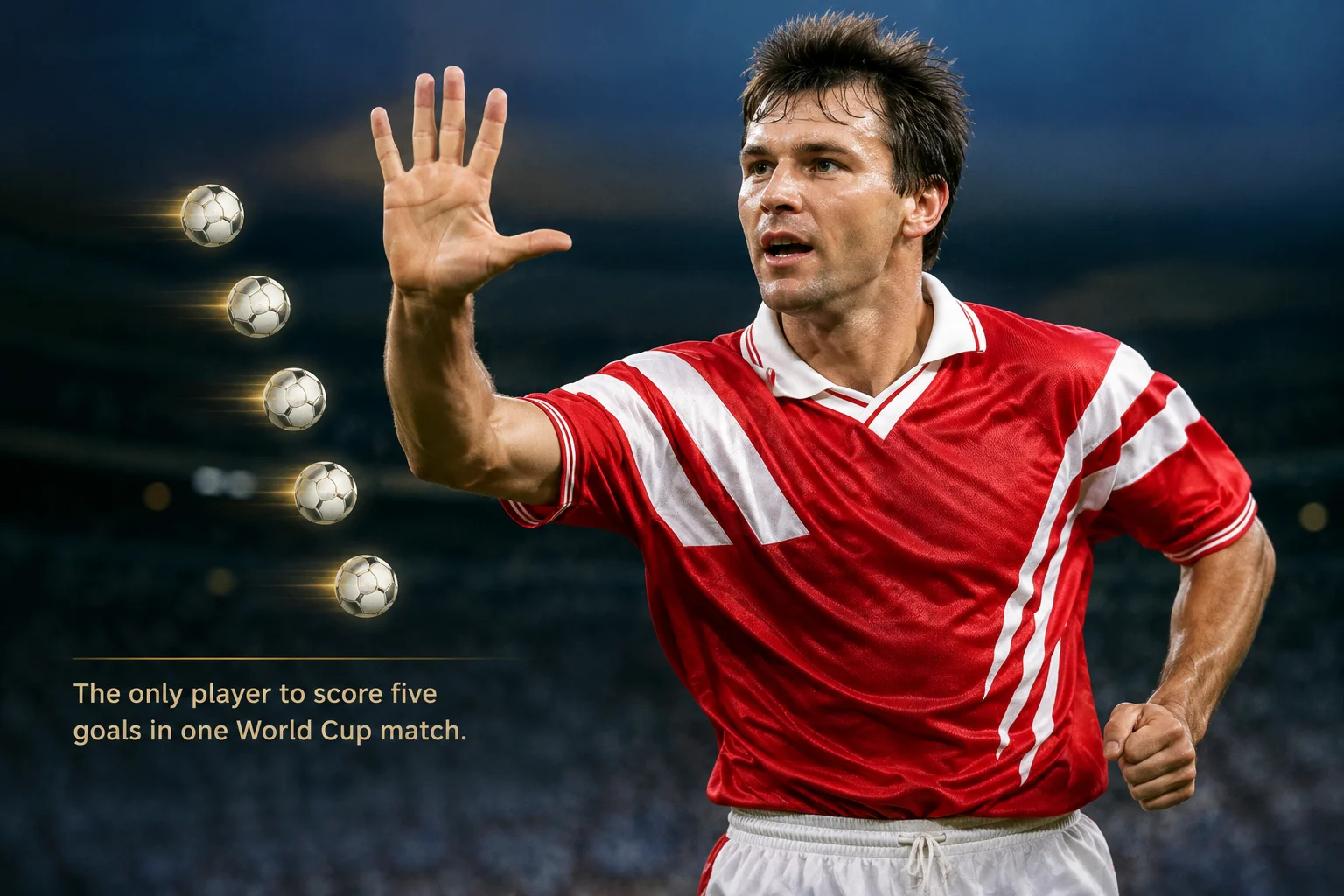
A handful of single-match and single-moment feats look untouchable.
- Oleg Salenko is the only player to score five goals in one World Cup match, in Russia's 6-1 win over Cameroon in 1994.
- Only two players have scored a hat-trick in a World Cup final: Geoff Hurst for England in 1966 and Kylian Mbappé for France in 2022.
- Salenko also remains the only man to win a share of the Golden Boot while his team went out in the group stage, with six goals in 1994.
- Kylian Mbappé is the only player to win the Golden Boot twice, taking the award in 2022 and 2026.
A bigger tournament, more room to score
The 2026 finals run to 104 matches, up from 64, with 48 teams and a new round of 32. A side that reaches the final now plays eight matches rather than seven, so the best forwards have more chances across a single campaign than any generation before them. That extra room is part of why a 16-goal record that had stood since 2014 changed hands twice inside a month, and why Mbappé was able to add six goals after the group stage alone. Fontaine's single-tournament 13, set against thinner defences and without squad rotation, still looks safe.
FAQs
1. Who is the youngest goalscorer in World Cup history?
-
Pelé, who was 17 when he scored for Brazil against Wales at the 1958 finals.
2. Who is the oldest goalscorer in World Cup history?
-
Roger Milla of Cameroon, who was 42 when he scored against Russia at the 1994 finals.
3. What is the fastest goal in World Cup history?
-
Hakan Şükür scored after around 11 seconds for Turkey against South Korea in 2002.
4. Has any player won the World Cup Golden Boot more than once?
-
Yes, Kylian Mbappé won it in 2022 and 2026, the only player to do so.
5. Which players have scored in two different World Cup finals?
-
Pelé, Vavá, Paul Breitner, Zinedine Zidane and Kylian Mbappé have all scored in two separate finals.
The record that framed this conversation for over a decade changed hands twice in a single month, and at 27 the man who now holds it may not be finished with it. 1BoxOffice lists resale tickets across football's major competitions, each backed by its 150% money-back guarantee, for anyone who wants to be in the stadium when the next milestone arrives.
Sources: ESPN, Sky Sports, Al Jazeera, CBC Sport, Britannica.