In this guide
1. A coach refereed his rivals' match, then gave three penalties2. A one-armed striker settled the first final3. One man played in finals for two different countries4. The first four-goal scorer was erased from his country's history5. One nation's entire World Cup history lasted 90 minutes6. The only goal ever scored direct from a corner7. The first failed doping test ended in a kidnapping8. A substitute scored a hat-trick in seven minutes9. Brothers faced each other for the first time, then did it again10. Spain lost their opener and made history twiceThe pattern behind the strangest storiesFAQsEveryone knows the Maracanazo, the Hand of God and Brazil's five titles. These ten rare World Cup facts come from a different drawer entirely: a coach who refereed his own rivals, a four-goal hero erased from his country's history and a doping case that ended in a kidnapping. Every one has been checked against at least two independent sources, because half the "amazing facts" circulating online fall apart under scrutiny.
The competition that produced all of them is mid-knockout stage right now, with the semi-finals on 15 July and the final at MetLife Stadium on 19 July. If the history whets your appetite for the real thing, current availability for every remaining fixture sits on the Football World Cup tickets hub.
1. A coach refereed his rivals' match, then gave three penalties
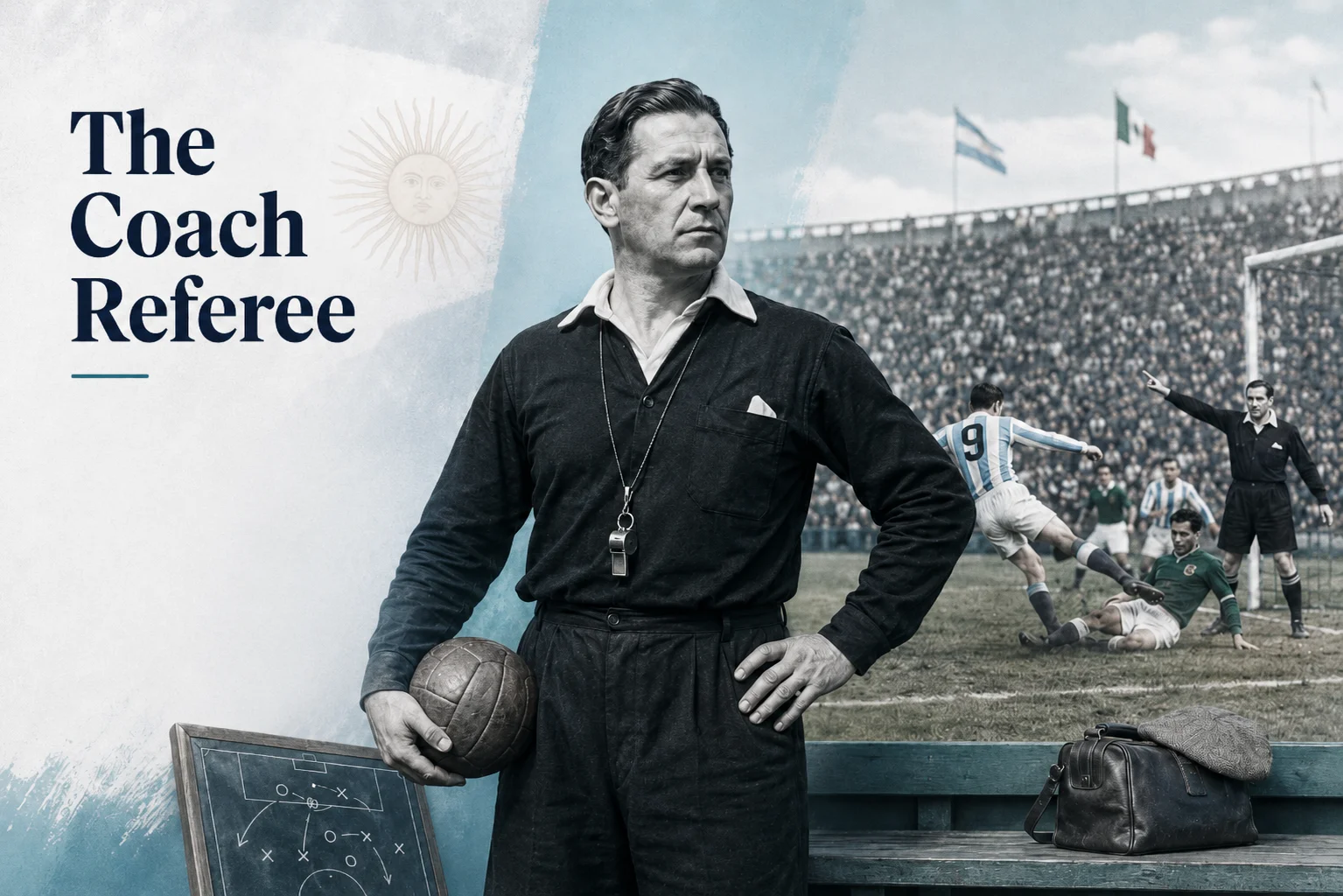
At the first tournament in 1930, Bolivia's head coach Ulises Saucedo also worked as a match referee. On 19 July he took charge of Argentina against Mexico, a game with a direct bearing on the group his own team was chasing, and awarded three penalties in Argentina's 6-3 win. The pool of qualified officials in Uruguay was so small that several team staff doubled up, a conflict of interest no modern governing body would entertain for a second. The detail survives mainly in officiating records rather than match reports, which is why it stays obscure.
2. A one-armed striker settled the first final
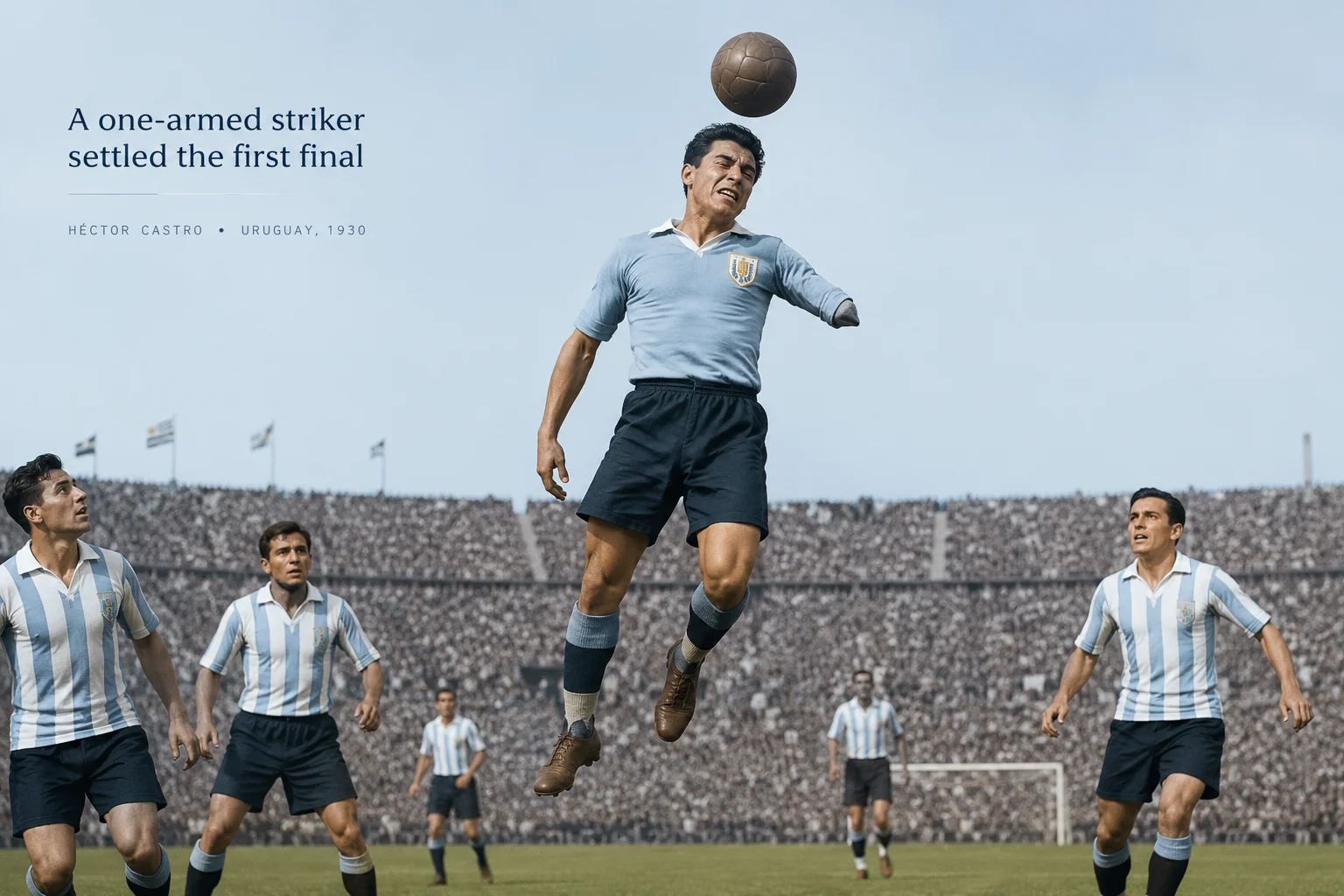
Uruguay's Héctor Castro lost most of his right forearm in an electric saw accident at 13. Seventeen years later, in the 89th minute of the 1930 final, he headed Uruguay's fourth goal to seal a 4-2 win over Argentina at the Estadio Centenario. Nicknamed El Divino Manco, the divine one-armed man, Castro had also scored his country's first ever World Cup goal. No other amputee is known to have scored in a final, and his team-mates' fame has largely buried his story.
3. One man played in finals for two different countries
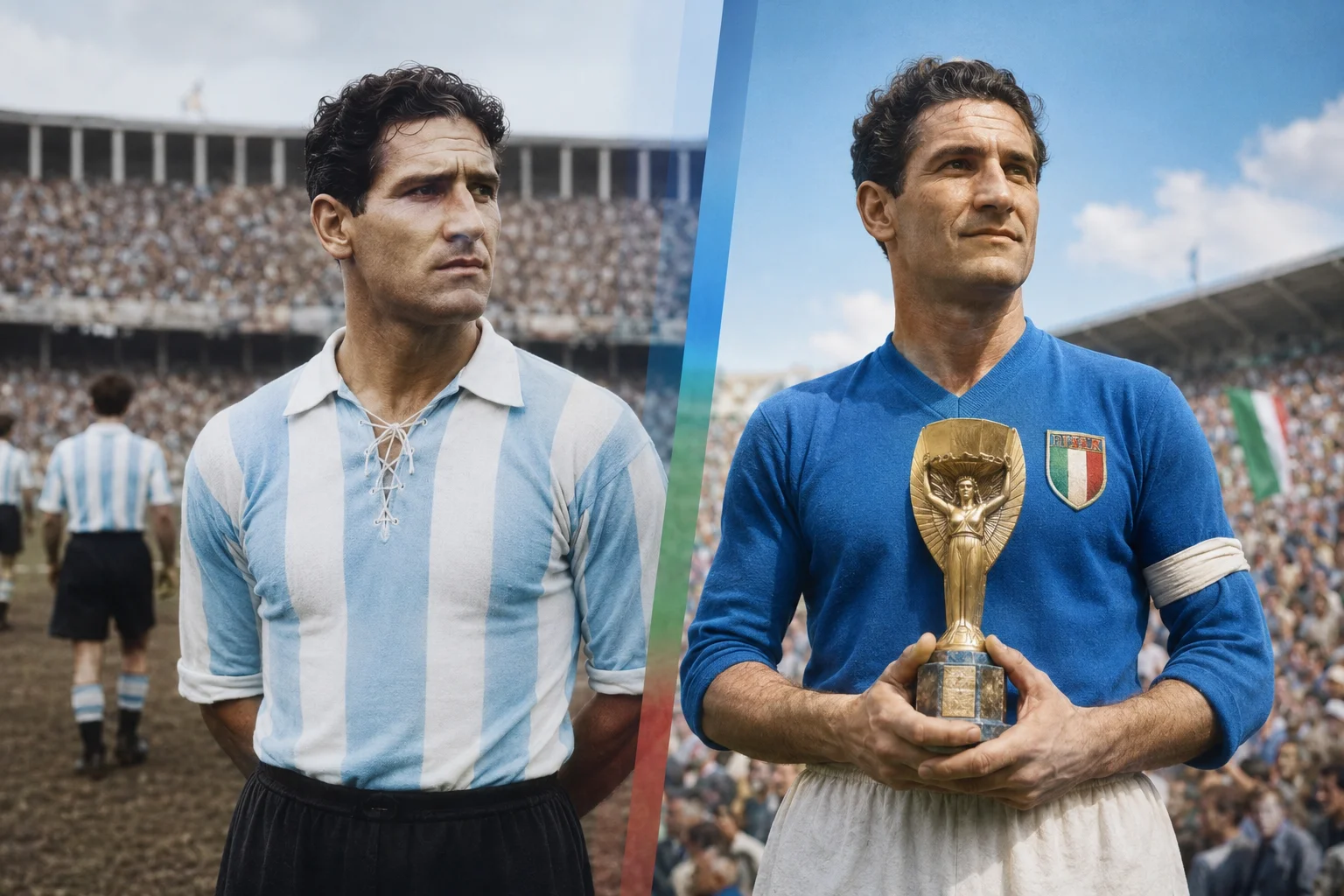
Luis Monti lost the 1930 final with Argentina, emigrated, took Italian citizenship and won the 1934 final with Italy. He remains the only footballer to appear in World Cup finals for two nations, and his Argentine passport is preserved in the game's museum in Zurich. His granddaughter later said the family received death threats before the 1930 final, and that a message from Mussolini reached the Italian dressing room in 1934 warning of consequences if they lost. Monti won under pressure few players will ever know. Ninety-six years on, Argentina are back in the last eight chasing a third star.
WhatsApp channel
Sports news straight to your phone
Match updates, on-sale dates and ticket news from 1BoxOffice.
4. The first four-goal scorer was erased from his country's history

Poland's Ernst Wilimowski scored four against Brazil in Strasbourg on 5 June 1938 and still finished on the losing side, 6-5 after extra time. He was the first man to score four in a World Cup match, a mark unbeaten until Oleg Salenko's five in 1994, and he remains the only player to manage it in defeat. Born in contested Upper Silesia, he took German citizenship after the 1939 invasion and played for Germany, which saw him written out of Polish football memory for decades. His ratio of four goals per World Cup game has never been matched.
5. One nation's entire World Cup history lasted 90 minutes
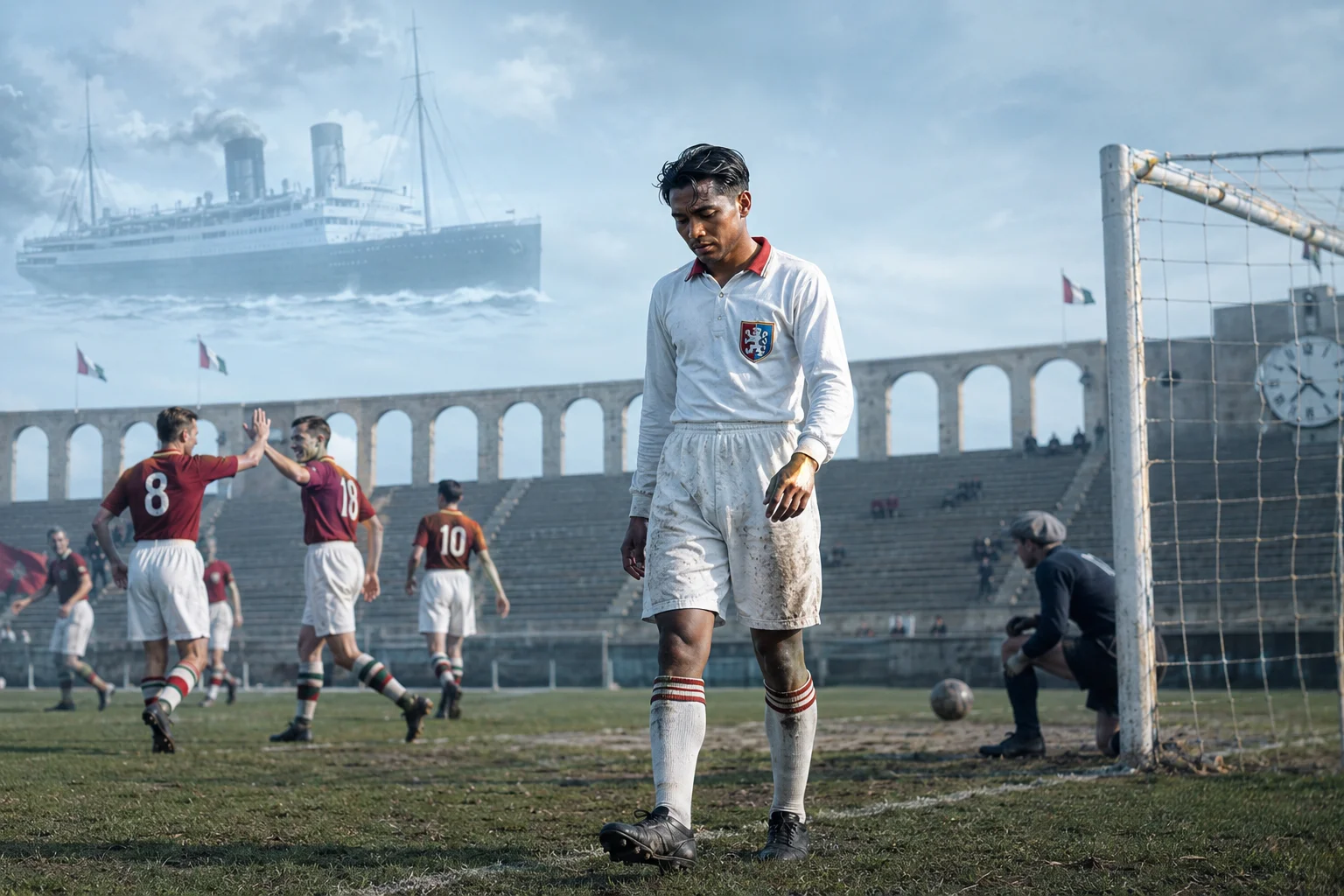
The Dutch East Indies, now Indonesia, became the first Asian side at a World Cup in 1938, qualifying without kicking a ball after Japan withdrew. The squad spent weeks at sea reaching France, lost 6-0 to Hungary in Reims in a straight-knockout format and sailed home. That single match is still the shortest World Cup career of any nation, and Isaak Pattiwael even had a goal disallowed in it. Eighty-eight years later it remains their only appearance.
6. The only goal ever scored direct from a corner
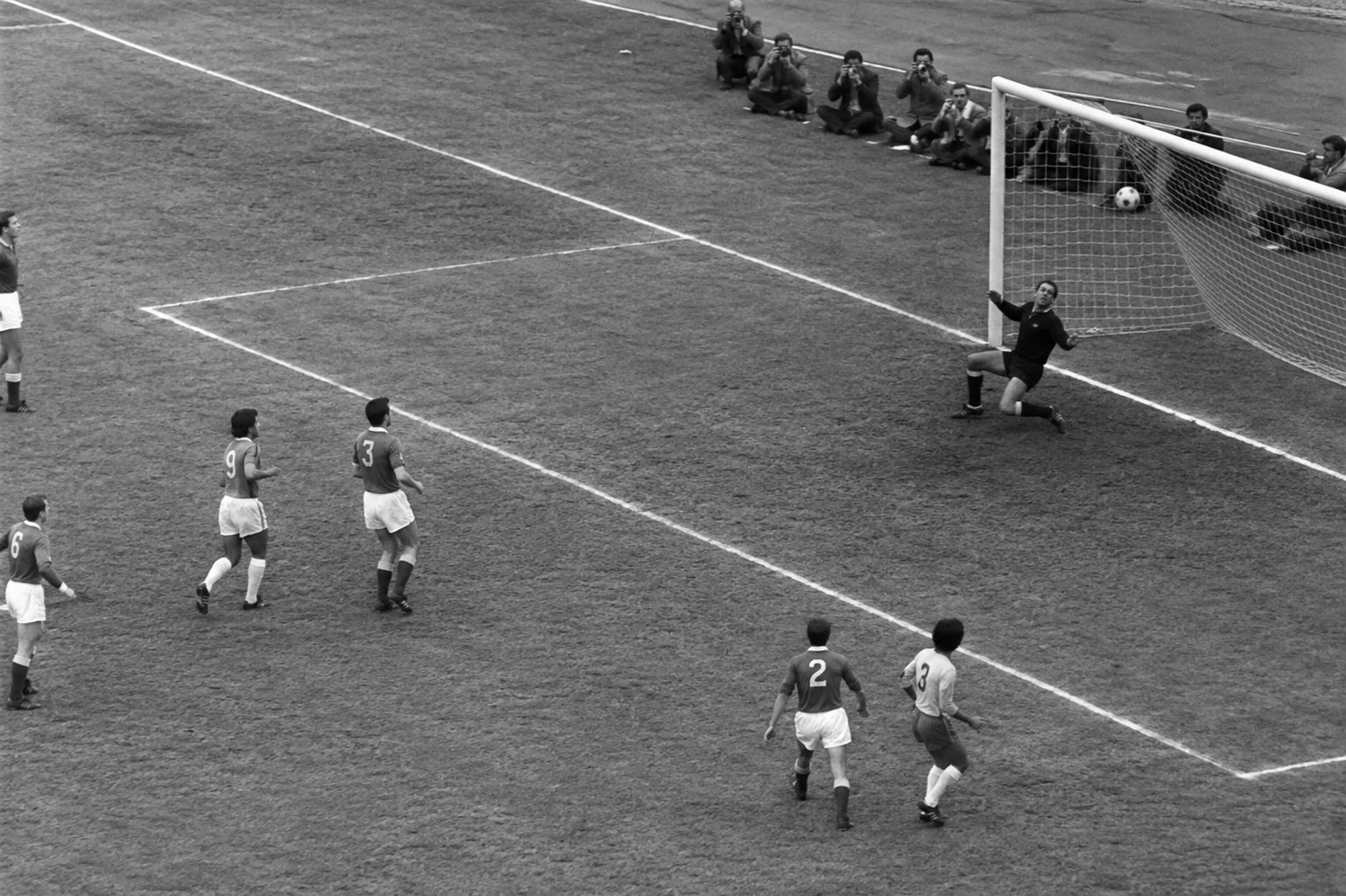
On 3 June 1962 in Arica, Colombia's Marcos Coll swung a corner past Lev Yashin, widely rated the best goalkeeper alive, for the only "Olympic goal" in tournament history, a record certified by Guinness World Records. Colombia were 4-1 down to the Soviet Union at the time and recovered to draw 4-4, still the biggest comeback to a draw the World Cup has produced. Coll later admitted it was the only time in his life he tried to score straight from a corner. Both the man and the match are almost entirely forgotten.
7. The first failed doping test ended in a kidnapping
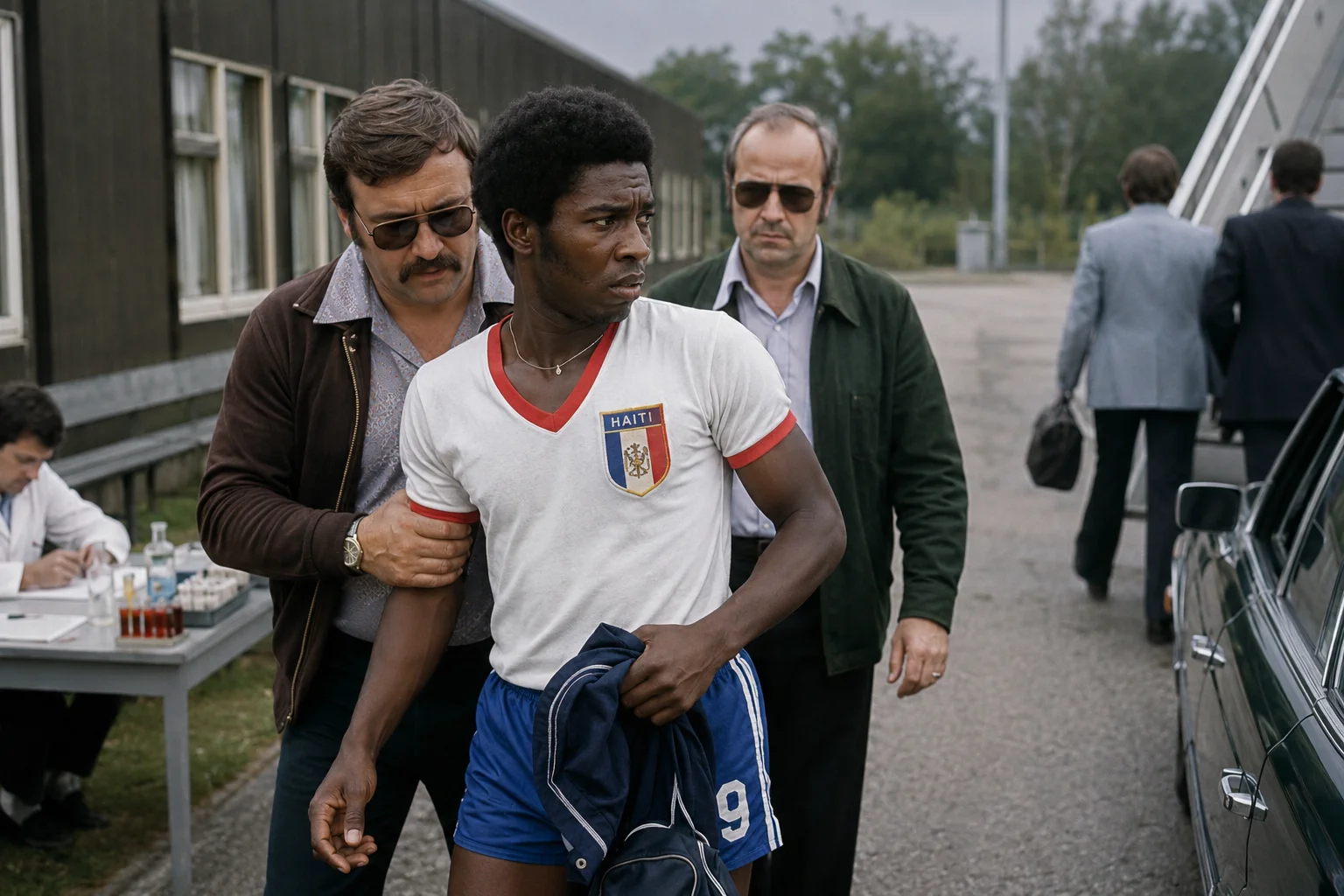
Haiti's Ernst Jean-Joseph tested positive for the stimulant phenmetrazine after the opening match against Italy in 1974, the first failed doping test in World Cup history. He blamed asthma medication and was contradicted by his own team doctor. Agents of the Duvalier regime's Tonton Macoutes then dragged him from the squad's Munich training base, beat him and flew him back to Haiti, where he was made to phone his captain to prove he was alive. It is one of the darkest stories the tournament has produced, and one of the least told.
8. A substitute scored a hat-trick in seven minutes
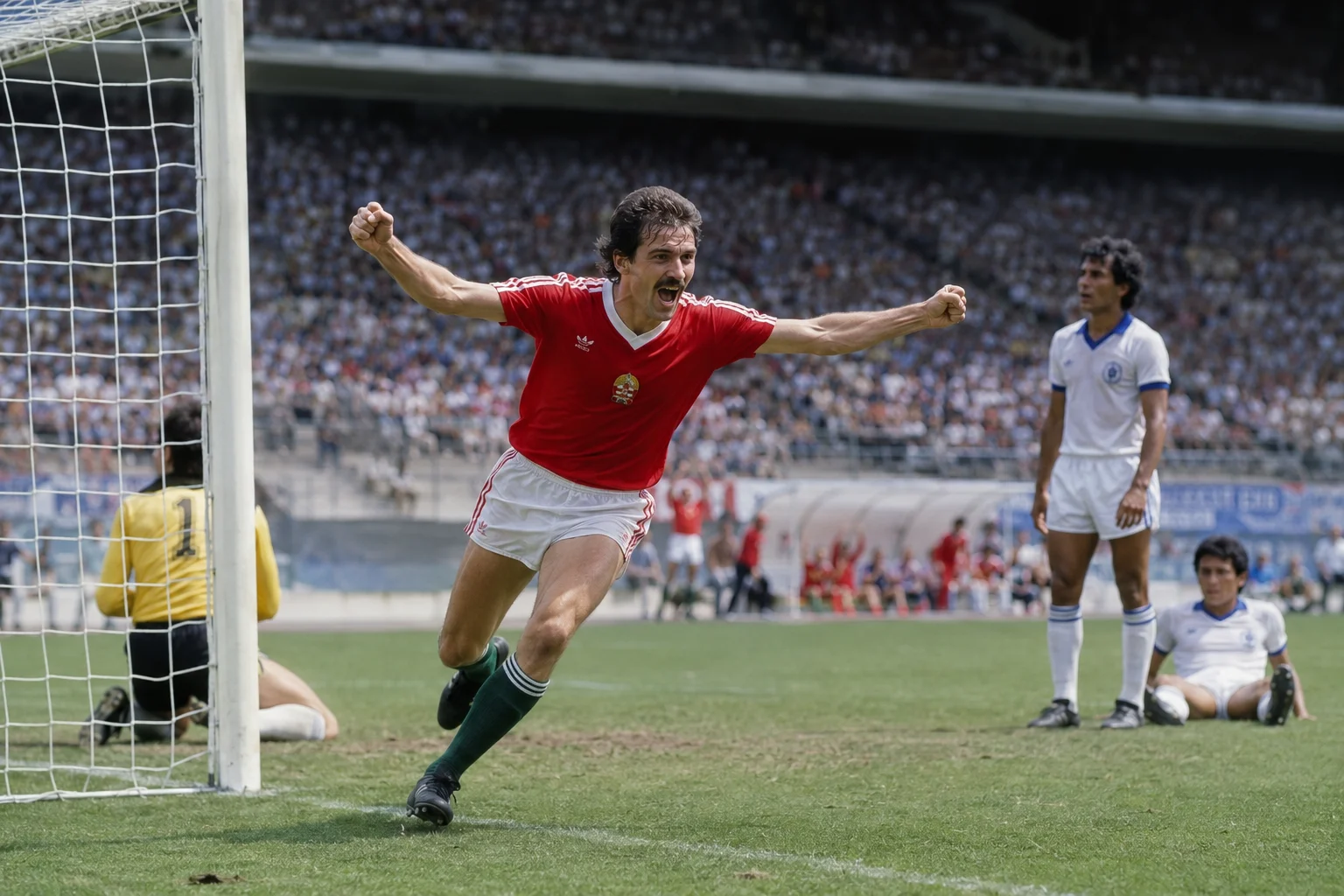
Hungary's László Kiss came off the bench against El Salvador in 1982 and scored in the 69th, 72nd and 76th minutes, the fastest hat-trick in tournament history and the only one ever scored by a substitute. The match finished 10-1, still the biggest win the World Cup has seen. The counterpoint is quieter: Luis Ramírez Zapata's reply remains the only goal El Salvador have ever scored at a World Cup, and team-mates reportedly told him not to celebrate it.
9. Brothers faced each other for the first time, then did it again
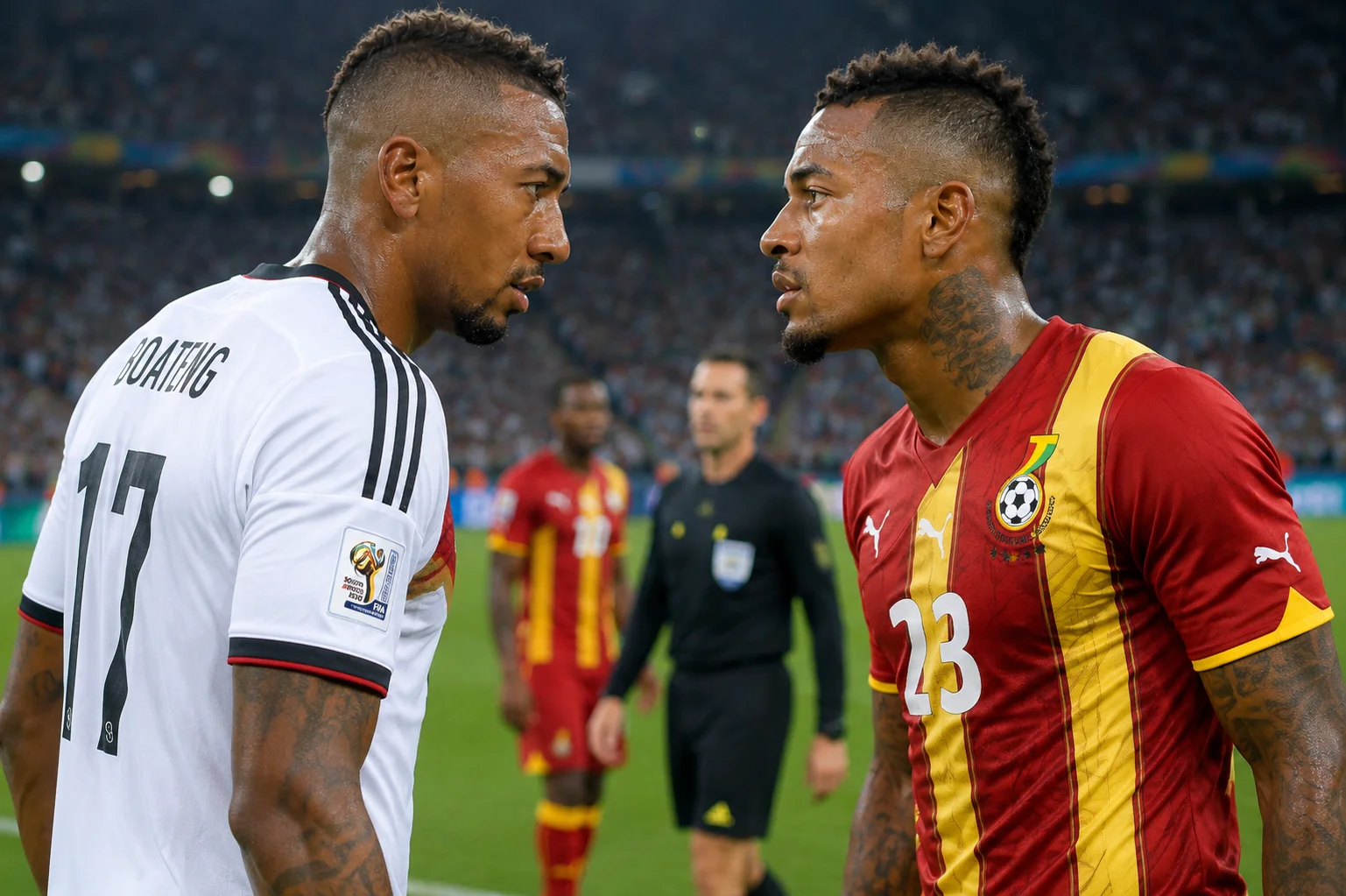
Jérôme Boateng of Germany and Kevin-Prince Boateng of Ghana became the first brothers to play against each other at a World Cup on 23 June 2010, a record certified by Guinness World Records. Both were born in Berlin to the same Ghanaian father; Kevin-Prince had switched allegiance to Ghana only weeks before the tournament. The draw paired the countries again in 2014, making them the only siblings to face each other at two World Cups. The record captures the modern dual-nationality era better than any statistic.
10. Spain lost their opener and made history twice
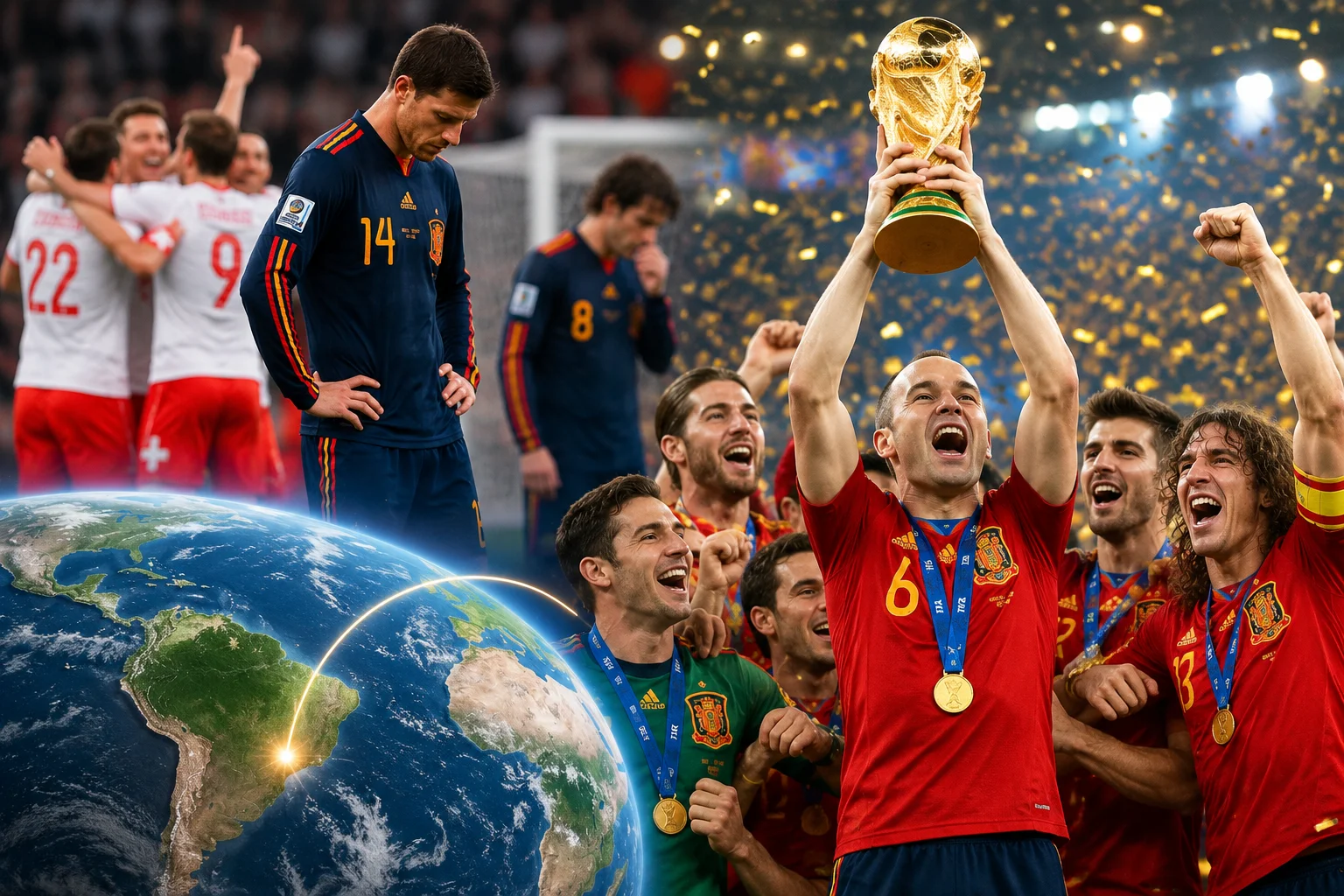
Spain's 2010 title carries two records usually buried under Andrés Iniesta's winning goal. They were the first European nation to win a World Cup staged outside Europe, ending an unbroken South American run in tournaments held beyond the continent. They were also the first champions to lose their opening match, beaten 1-0 by Switzerland, a feat only Argentina in 2022 have repeated. Spain are in the 2026 quarter-finals chasing a second star, so the precedent may yet matter again.
The pattern behind the strangest stories
The rarest material clusters in the early tournaments for a reason. The 1930 and 1938 editions were small, chaotic and thinly documented, so genuine oddities survived in archives rather than becoming pub trivia. The modern game produces certified records instead, like the Boatengs' or Kiss's, which are verifiable but strangely under-remembered. Either way, the test is the same: if a fact cannot be traced to two independent sources, it belongs in the bin, not a blog.
FAQs
1. Did India really withdraw from the 1950 World Cup over a barefoot ban?
-
No, India withdrew over travel costs, selection problems and indifference to the tournament, and boots were not made compulsory until 1953.
2. Which World Cup final was played with two different balls?
-
The 1930 final, where Argentina and Uruguay could not agree so each supplied the ball for one half.
3. Who is the oldest goalscorer in World Cup history?
-
Cameroon's Roger Milla, who scored against Russia in 1994 aged 42 years and 39 days.
4. Who picked Romania's squad for the first World Cup?
-
King Carol II personally selected the 1930 squad and arranged for the players to keep their jobs while away.
5. When was the World Cup first held outside Europe and the Americas?
-
In 2002, when Japan and South Korea co-hosted and Brazil became the first side to win a tournament staged outside Europe and the Americas.
History this strange deserves to be watched in person, and 1BoxOffice has supplied fans with tickets to matches like these since 2006, every order backed by a 150% money-back guarantee.
Sources: FIFA Museum, Guinness World Records, RSSSF, ESPN, Notes From Poland and Playing Pasts.