In this guide
1. A World Cup Failure Created the League, and a Points Formula Picked Its Clubs2. Nobody Has Ever Seen the First Bundesliga Goal3. The Worst Team in Bundesliga History Was Only There by Political Accident4. A Birthday Party Nearly Destroyed the League in 19715. Reunification Produced a One-Off, 20-Team Season6. Hamburg's Famous Clock Stopped at 54 Years, 261 Days7. Nine Minutes That Broke Four Guinness World Records8. Only One Club Has Ever Gone a Season Unbeaten, and It Is Not Bayern9. Europe's Best-Attended League and Its Most Famous Stand10. The Record Champions Who Were Not Even Founding MembersBefore the Bundesliga, German football was a messy patchwork of regional Oberligen, with champions decided through end-of-season playoffs. That changed in July 1962, when the German FA (DFB) approved a single national league at its convention in Dortmund, and the new competition kicked off in August 1963. More than six decades later, these ten Bundesliga facts go beyond the obvious: a record goal nobody filmed, a birthday party that nearly destroyed the league and a stadium clock frozen at 54 years, 261 days.
The league heads into 2026/27 with Bayern Munich defending back-to-back titles and Hamburg back in the top flight for a second consecutive season. To watch German club football at its highest level, book your Bundesliga tickets via 1BoxOffice, backed by a 150% money-back guarantee.
1. A World Cup Failure Created the League, and a Points Formula Picked Its Clubs
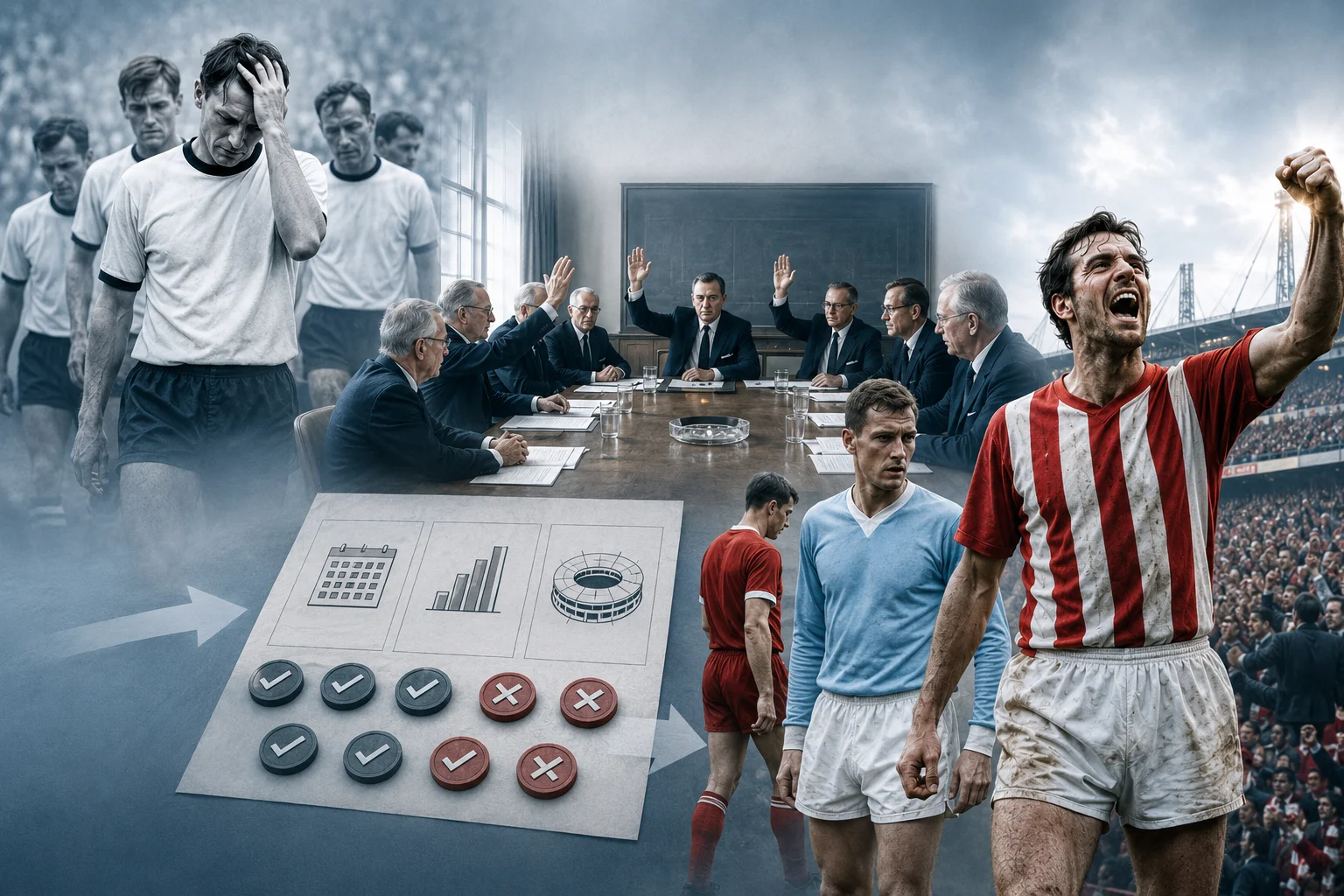
While England's Football League dates back to 1888, Germany waited until 1963 for a unified top flight. West German football was split into five regional Oberligen, and a quarter-final exit at the 1962 World Cup convinced the DFB that the semi-professional structure was holding the national team back. As documented on the Bundesliga website, delegates voted the new league into existence in Dortmund on 28 July 1962.
The rarely told part is how the 16 founding clubs were chosen. The DFB ranked 46 applicants using a formula weighing 12 years of sporting results alongside financial health and stadium standards, and initially favoured one club per city. That is why 1860 Munich, Oberliga Sud champions in 1963, got in while their neighbours Bayern Munich were left out. The most successful club in German history had to earn promotion in 1965 like everyone else. The inaugural title went instead to 1. FC Koln, still playing top-flight football at the RheinEnergieStadion today.
2. Nobody Has Ever Seen the First Bundesliga Goal
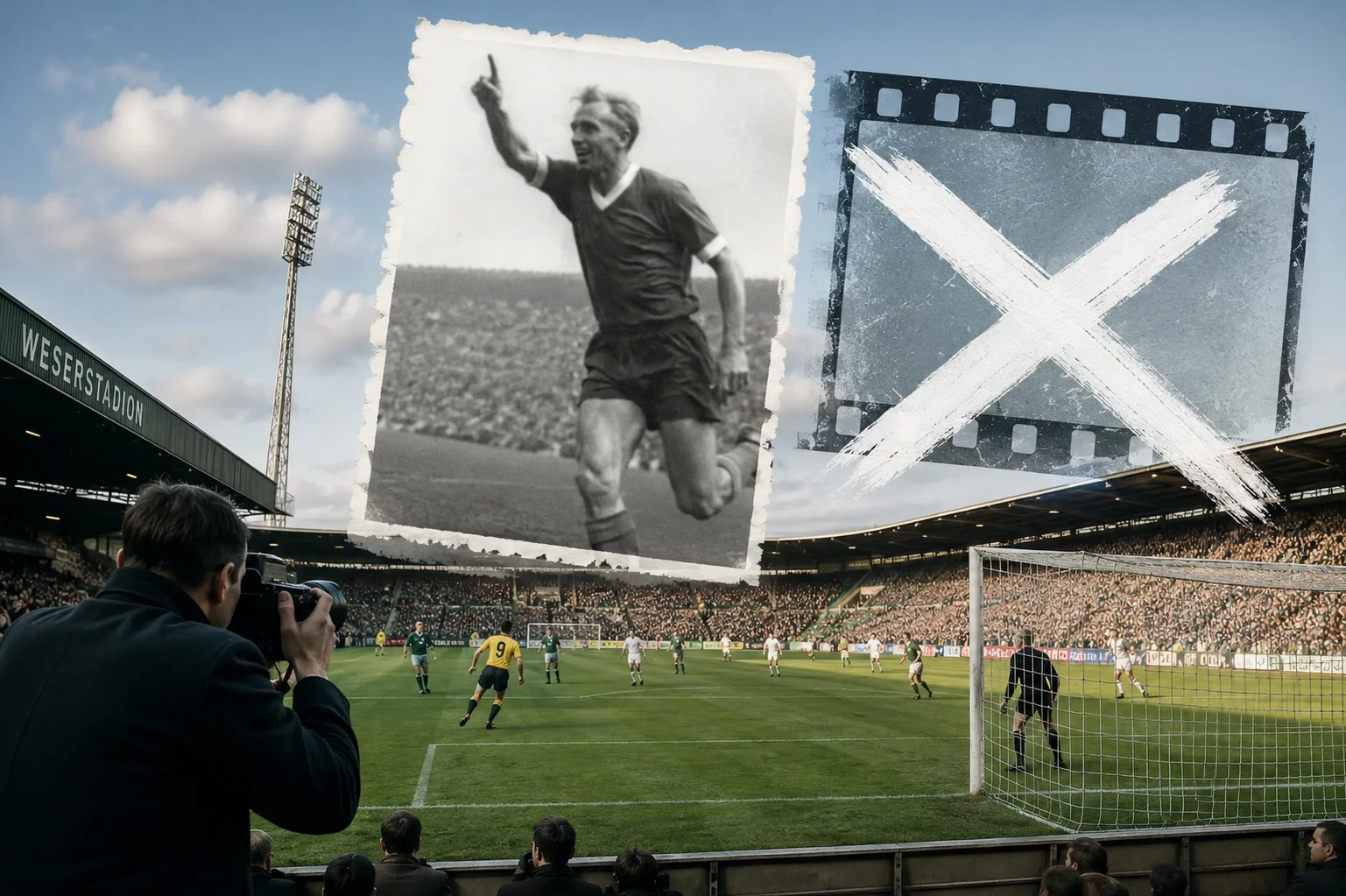
The first goal in league history has no visual record whatsoever. On 24 August 1963, Borussia Dortmund forward Friedhelm "Timo" Konietzka scored against Werder Bremen after roughly 58 seconds, as confirmed by the league's own records.
Every photographer at the Weserstadion was positioned behind the opposite goal, expecting early Bremen pressure. No film camera caught it either. Konietzka later offered a reward for any photograph of the moment and none ever surfaced, leaving the most historic goal in German football existing only in eyewitness accounts. The Weserstadion where it happened still hosts Bundesliga football every fortnight.
3. The Worst Team in Bundesliga History Was Only There by Political Accident
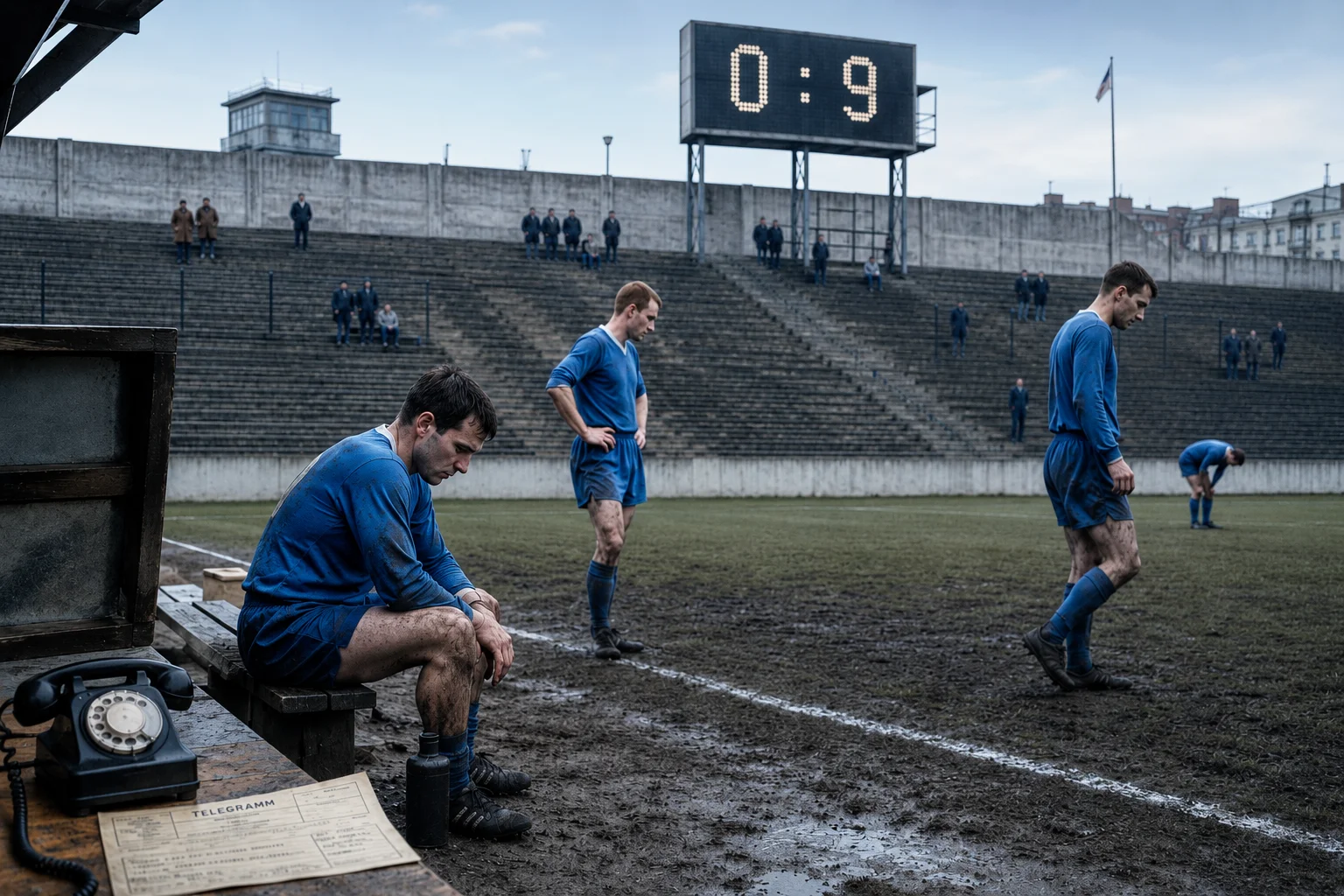
Tasmania Berlin should never have been in the 1965/66 Bundesliga. Hertha Berlin had been thrown out for paying illegal signing bonuses, but Cold War politics demanded a West Berlin club stay in the league. The two better-qualified Berlin sides either failed in the playoffs or declined, so third-placed Tasmania, an amateur team whose players were on summer holiday, got the call roughly two weeks before the season started.
The result was the benchmark for futility that still stands 60 years on. According to the Bundesliga's club-by-club guide, Tasmania hold the records for:
- Fewest goals scored in a season: 15
- Most conceded: 108, including a 9-0 home defeat
- Longest winless run: 31 consecutive matches
- Lowest recorded attendance: 827 spectators against Borussia Monchengladbach in January 1966
- The only club never to win an away Bundesliga game
Remarkably, the club's modern successors embrace the legacy and celebrated when Schalke's dreadful 2020/21 side failed to break their records. Berlin's top-flight torch is carried today by Union Berlin and their famously raucous Alte Forsterei.
WhatsApp channel
Sports news straight to your phone
Match updates, on-sale dates and ticket news from 1BoxOffice.
4. A Birthday Party Nearly Destroyed the League in 1971
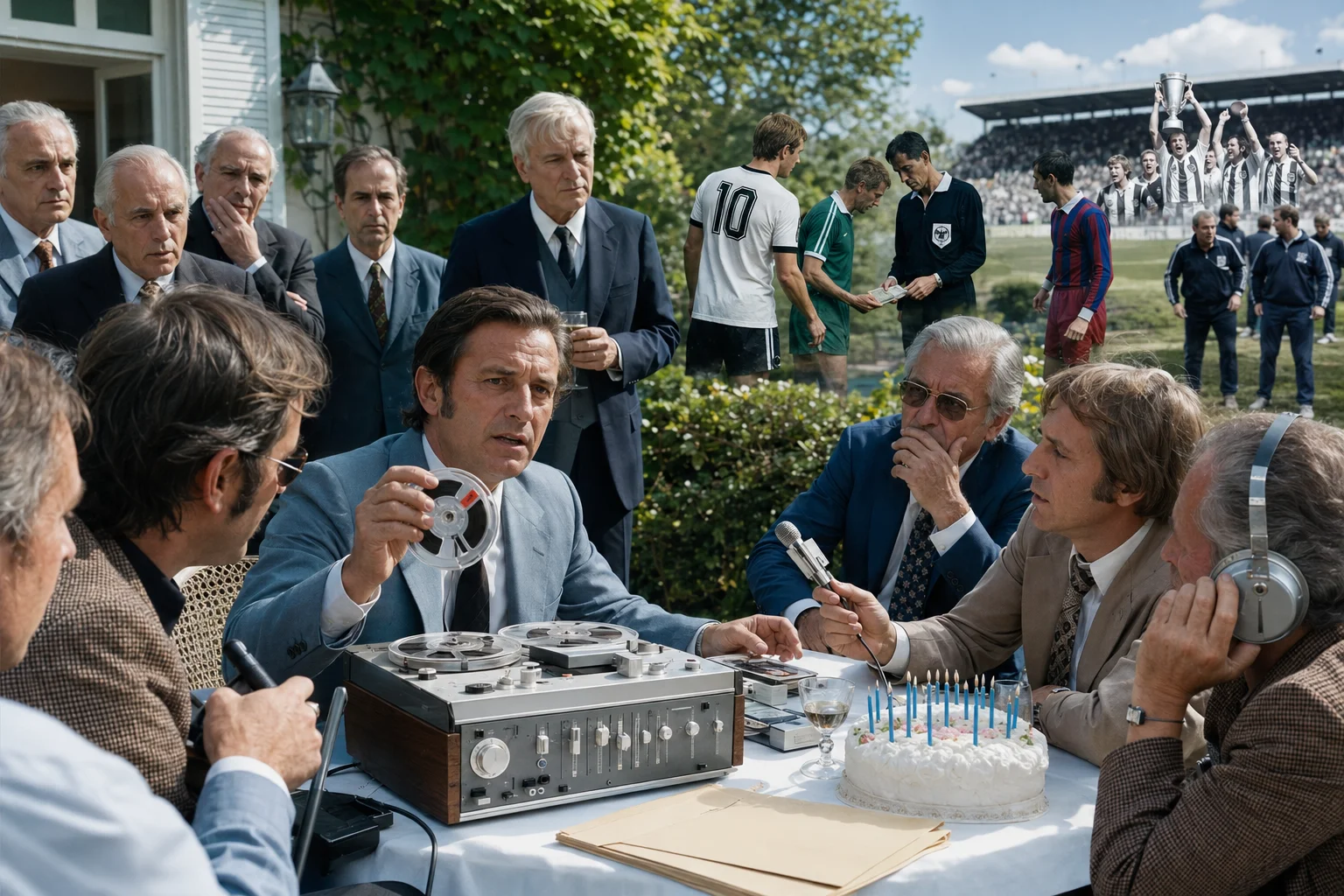
On 6 June 1971, Kickers Offenbach president Horst-Gregorio Canellas invited journalists, DFB officials and even West Germany coach Helmut Schon to his 50th birthday garden party. Instead of cake and speeches, guests were played secret tape recordings of Bundesliga players, including West German internationals, negotiating bribes to fix relegation matches.
The fallout, described in detail by World Soccer, engulfed more than half the league's clubs. Around 52 players and two coaches were sanctioned, several with life bans, and striker Klaus Fischer's suspension cost him a place at the 1974 World Cup that West Germany won on home soil. The scandal accelerated the creation of the 2. Bundesliga and pushed the DFB towards proper professionalism. Amid the chaos, Borussia Monchengladbach retained the 1970/71 title cleanly, the first club ever to defend a Bundesliga crown.
5. Reunification Produced a One-Off, 20-Team Season
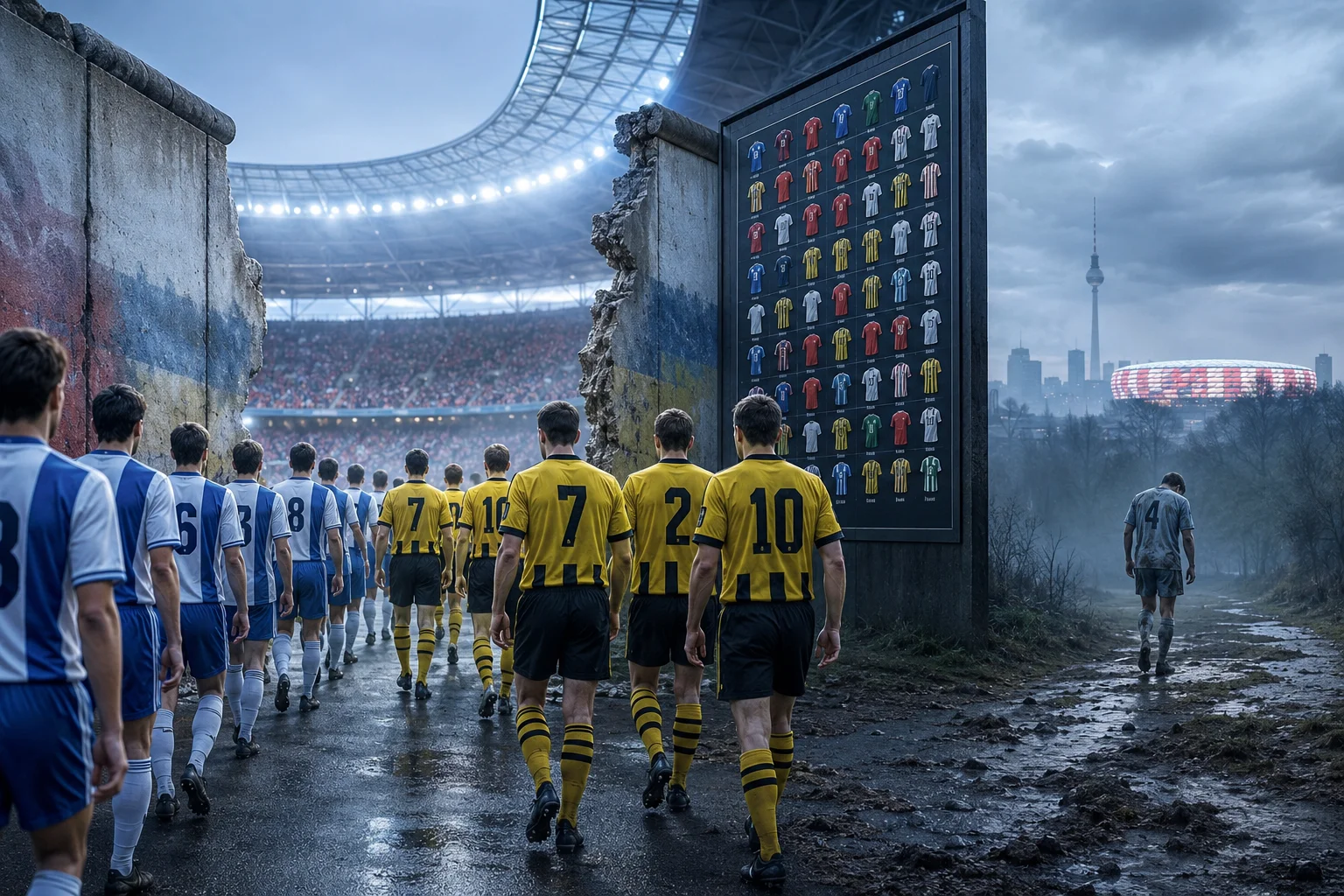
The Bundesliga has had 18 clubs since 1965, with one exception. After German reunification, the 1991/92 season expanded to 20 teams so that Hansa Rostock and Dynamo Dresden, the top two from the final East German Oberliga, could join immediately.
The compromise meant a punishing 38-game campaign with four clubs relegated and only two promoted to restore the balance. Rostock, East Germany's last champions, went straight back down while Dresden survived, a fitting snapshot of how brutal the merger of two football systems proved for clubs from the east. Three decades on, RB Leipzig remain the east's only consistent top-flight presence.
6. Hamburg's Famous Clock Stopped at 54 Years, 261 Days
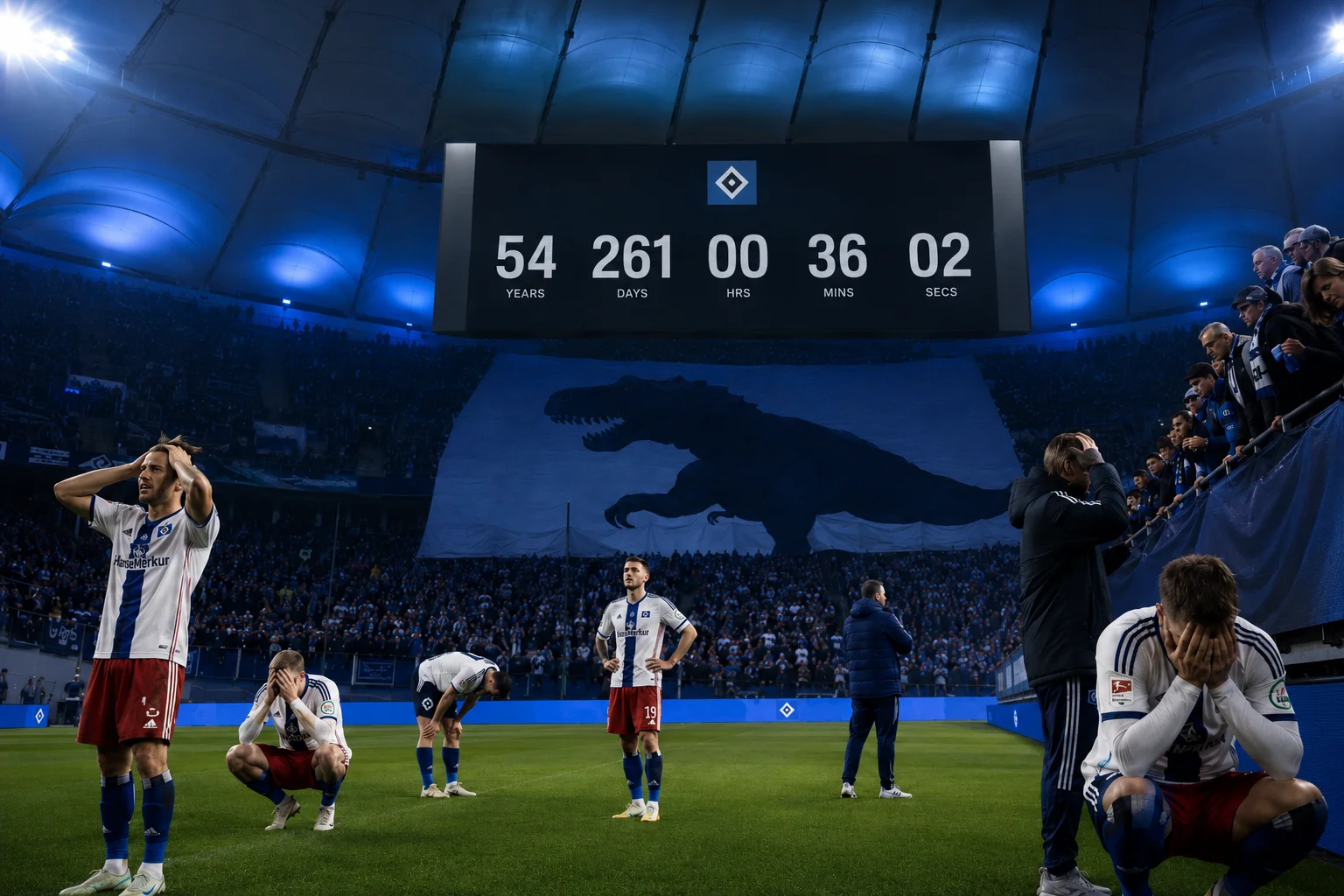
For decades a giant clock inside the Volksparkstadion counted every second Hamburger SV had spent in the Bundesliga, a boast from the only club present in every season since 1963. On 12 May 2018, relegation finally arrived despite a win over Monchengladbach, and as reported by the Bundesliga, the clock froze at 54 years, 261 days, zero hours, 36 minutes and two seconds.
Seven painful seasons in the second tier followed before promotion in 2025. The Dino, as Germans nicknamed the club, survived its first campaign back while Wolfsburg, the side whose win sealed Hamburg's relegation in 2018, dropped out via the playoff in May 2026. German football has a sense of humour. Since Hamburg's fall, no ever-present club exists at all.
7. Nine Minutes That Broke Four Guinness World Records
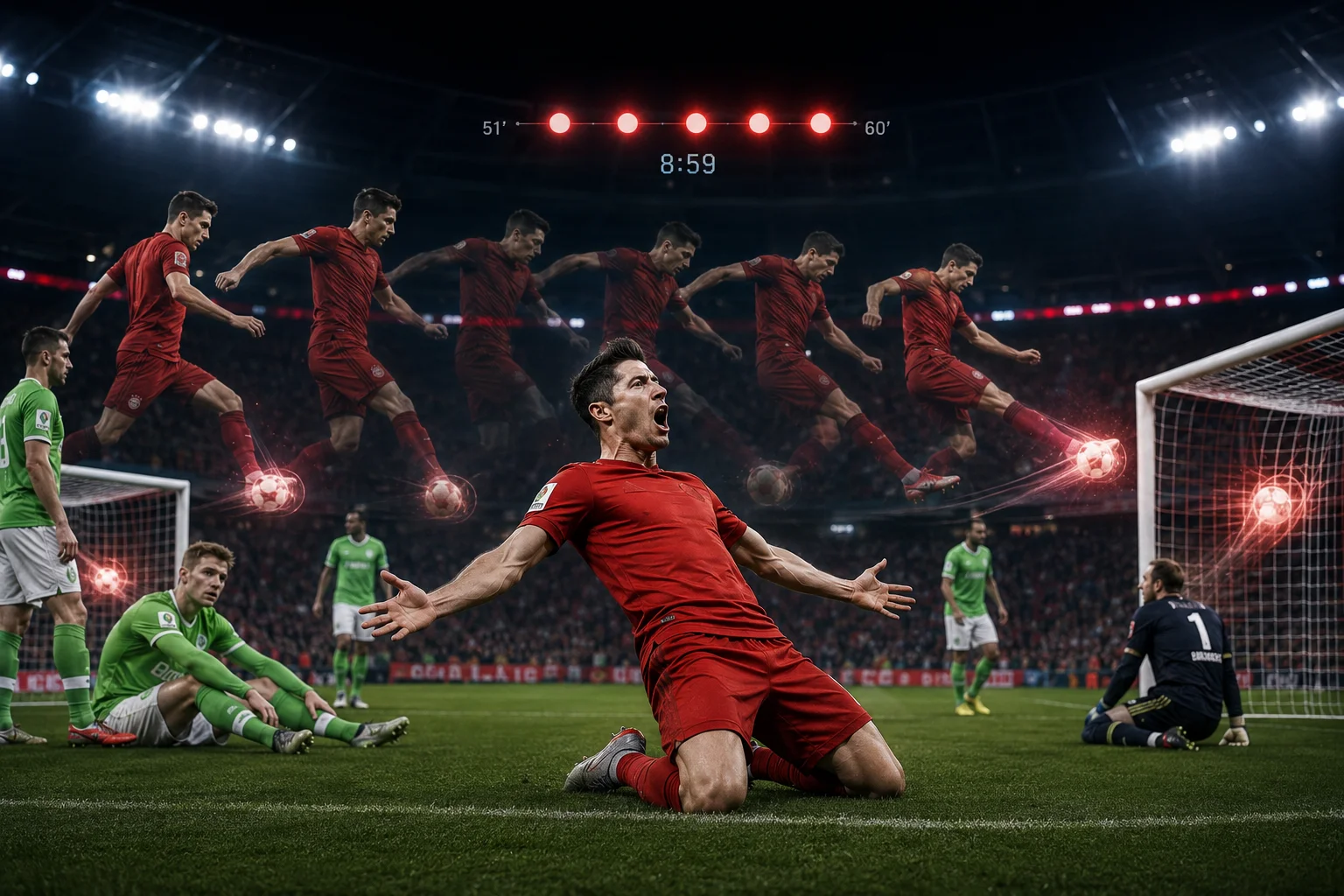
On 22 September 2015, Bayern trailed Wolfsburg 1-0 at half time. Pep Guardiola sent on Robert Lewandowski, and between the 51st and 60th minutes the Pole scored five times in eight minutes and 59 seconds. Guinness World Records certified four separate records from one substitute appearance: fastest hat-trick (3:22), fastest four goals (5:42), fastest five goals (8:59) and most goals by a substitute.
Lewandowski later admitted he was in a trance and only grasped what he had done months afterwards. The previous fastest hat-trick had stood for 24 years; his may never be touched.
8. Only One Club Has Ever Gone a Season Unbeaten, and It Is Not Bayern
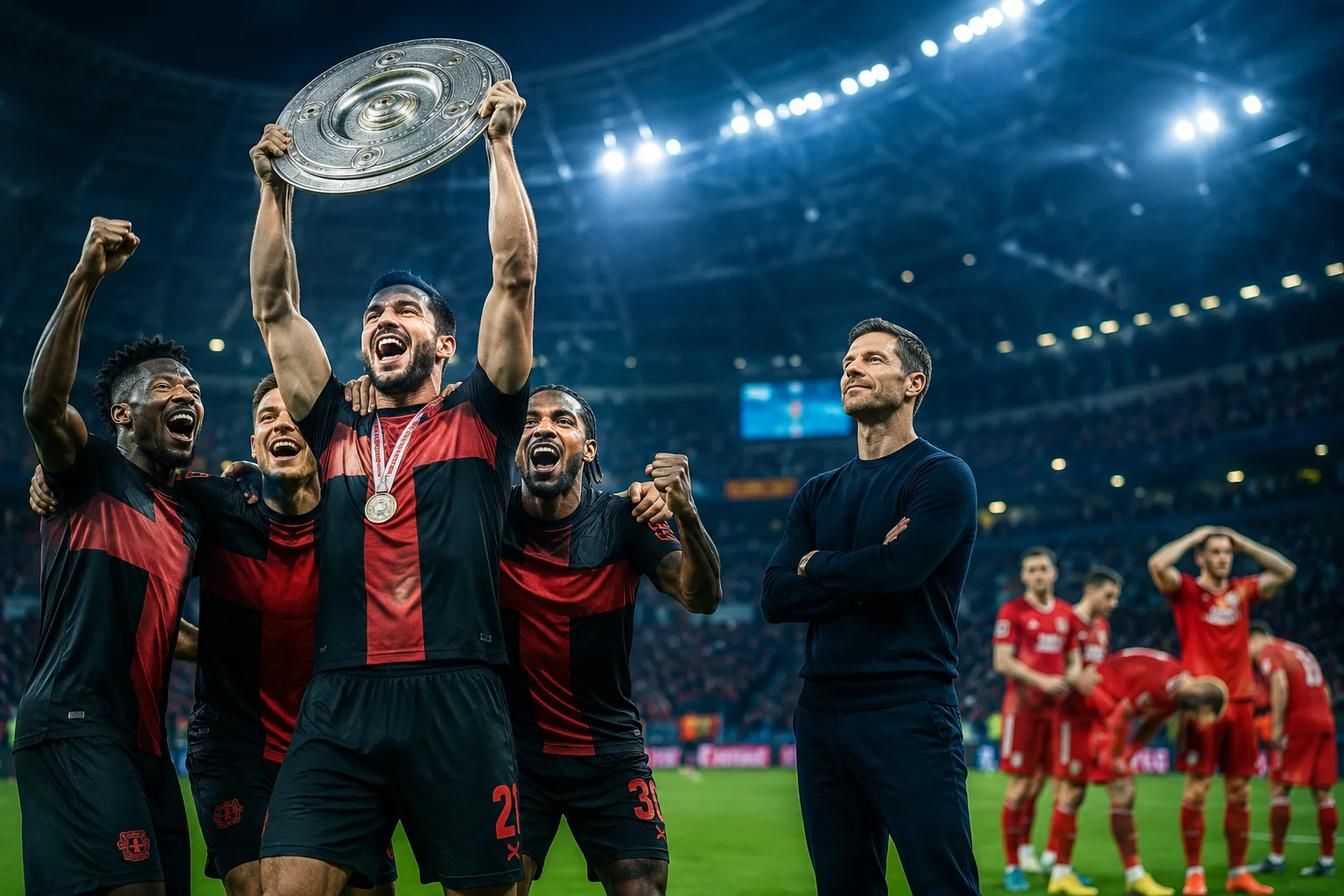
For all their dominance, Bayern have never completed an unbeaten Bundesliga campaign. Even their record-shredding 2025/26 title run, with 122 goals scored, included a home defeat to Augsburg, a detail the club itself acknowledged.
The only invincible champions are Bayer Leverkusen, who went 34 games without defeat in 2023/24 under Xabi Alonso. A club mocked for decades as "Neverkusen" for its habit of finishing second delivered the single most flawless league season in German history. Football rarely writes redemption stories that clean.
9. Europe's Best-Attended League and Its Most Famous Stand
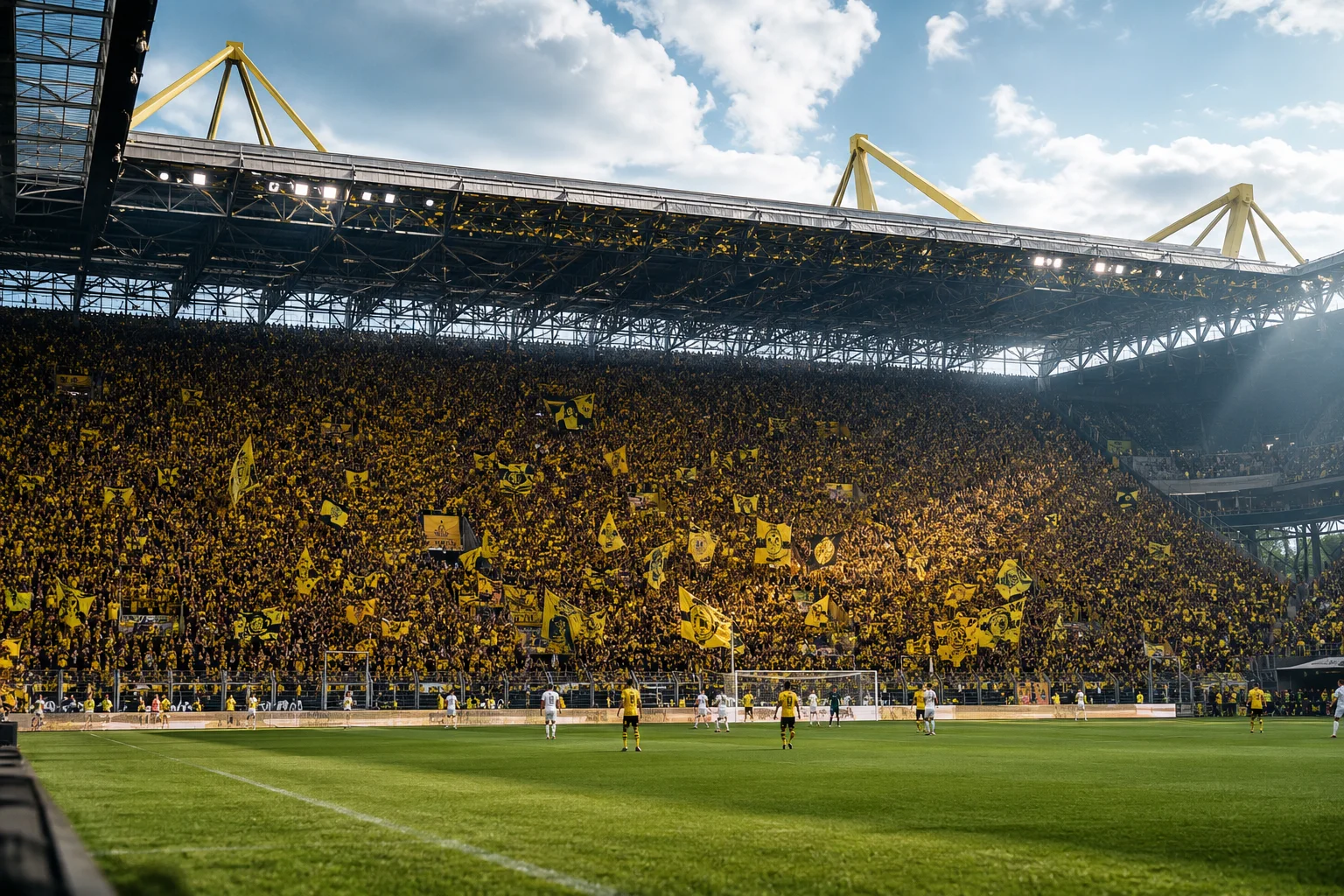
The Bundesliga remains the best-attended football league in the world. The 2025/26 season drew over 12.9 million spectators at an average of 42,311 per match, with Borussia Dortmund selling out Signal Iduna Park's 81,365 capacity repeatedly. Affordable pricing, safe standing terraces and match tickets that double as public transport passes keep grounds full even outside the giants.
The symbol of it all is Dortmund's Sudtribune, the Yellow Wall, Europe's largest standing terrace with nearly 25,000 fans on a single tier. We have covered its history, the 2005 banner that named it and how to stand on it in our dedicated Yellow Wall guide.
10. The Record Champions Who Were Not Even Founding Members
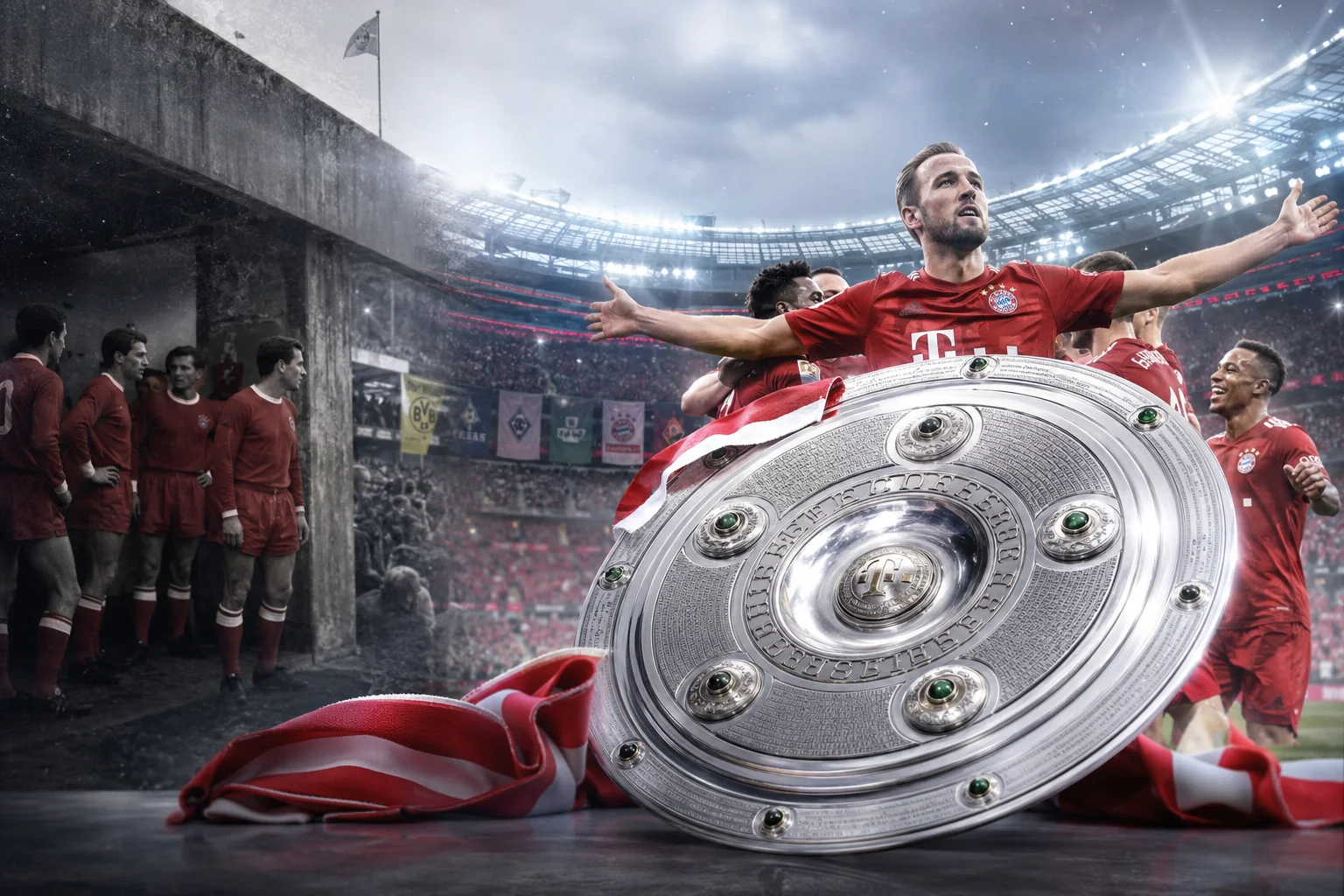
Bayern Munich sealed the 2025/26 title on 19 April 2026 with four games to spare, their 34th Bundesliga crown and 35th German championship overall, making it 13 titles from the last 14 seasons. Vincent Kompany's side lost once all season and broke their own single-season scoring record with 122 goals, with Harry Kane's 36 taking the top scorer award.
Yet the club that defines the league watched its first two seasons from the second tier after being passed over in 1963. Their dominance has also never been total: Monchengladbach owned the early 1970s, Hamburg and Stuttgart had their eras, and Dortmund and Leverkusen have both interrupted the run since 2010. The Meisterschale even needed a redesign in 2026, with an extra silver ring added to fit the names of future champions.
A League Like No Other
From a goal nobody photographed to a clock nobody wanted to stop, the Bundesliga's history is stranger and richer than its reputation for Bayern processions suggests. To see any of it in person, book through 1BoxOffice, where every order is protected by a 150% money-back guarantee.
Sources: bundesliga.com, fcbayern.com, guinnessworldrecords.com, worldsoccer.com.