In this guide
Why the front door is usually shutThe three routes that actually workWhere general sale still existsDigital tickets rewrote the rules this seasonBuying on the resale market, step by stepThe law, and how fans lose £215FAQsTottenham tell supporters that home league games are unlikely ever to reach general sale, and most big clubs could say the same, because season ticket holders and members absorb almost every seat. So how to buy Premier League tickets without membership? Three routes genuinely work in 2026/27: the resale market, hospitality packages and ticket transfer from someone who already holds a seat.
Each route carries different costs, risks and rules, and the rules changed this summer when digital ticketing became mandatory league-wide. This guide covers all three, plus the Premier League tickets that still reach open sale, and how to avoid the scams that cost fans an average of £215 each last season.
Why the front door is usually shut
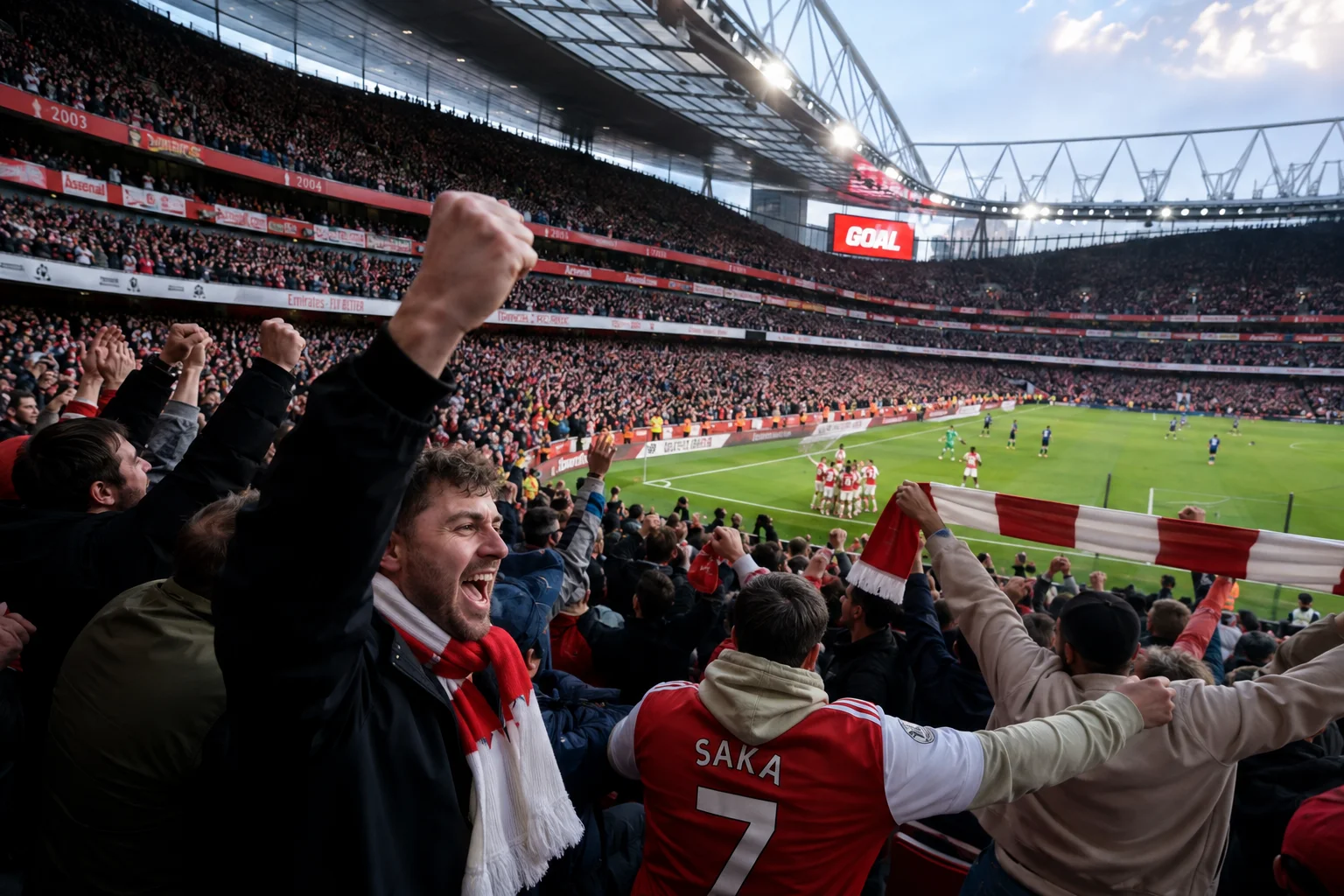
A club membership typically costs £30 to £50 a year and buys nothing except entry to ballots or early sale windows: priority, not a seat. At Arsenal, Liverpool, Manchester City and Manchester United, member demand alone outstrips supply for nearly every home fixture, so general sale rarely arrives.
Away ends are further out of reach still, since clubs distribute small allocations through loyalty point schemes built on years of previous travel.
The three routes that actually work
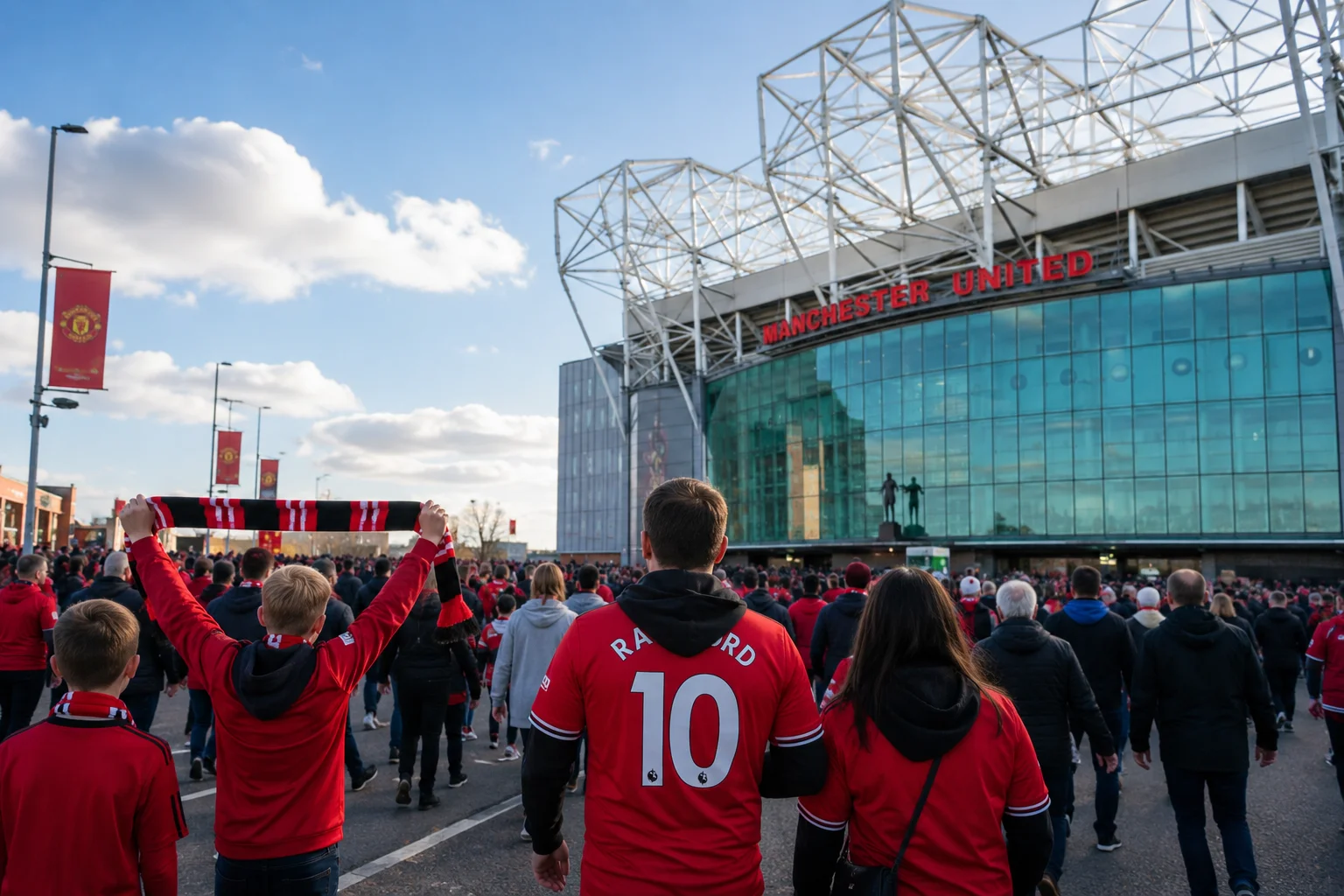
The first route is the secondary market, where seats come from season ticket holders and members who cannot attend. It is often the only realistic option for a sold-out fixture at a big ground, and prices float with demand, so a midweek game costs far less than a derby.
The second is hospitality. Every club sells matchday packages that include a seat and require no membership, from around £150 per person at smaller grounds and £250 upwards at the biggest clubs, as of August 2026. It is the priciest route but the most predictable.
The third is ticket transfer. Every club lets a season ticket holder forward their digital ticket to a named recipient, so knowing someone with a seat is the cheapest way in, though most clubs require a free ticketing account and some restrict transfers to registered networks.
Where general sale still exists
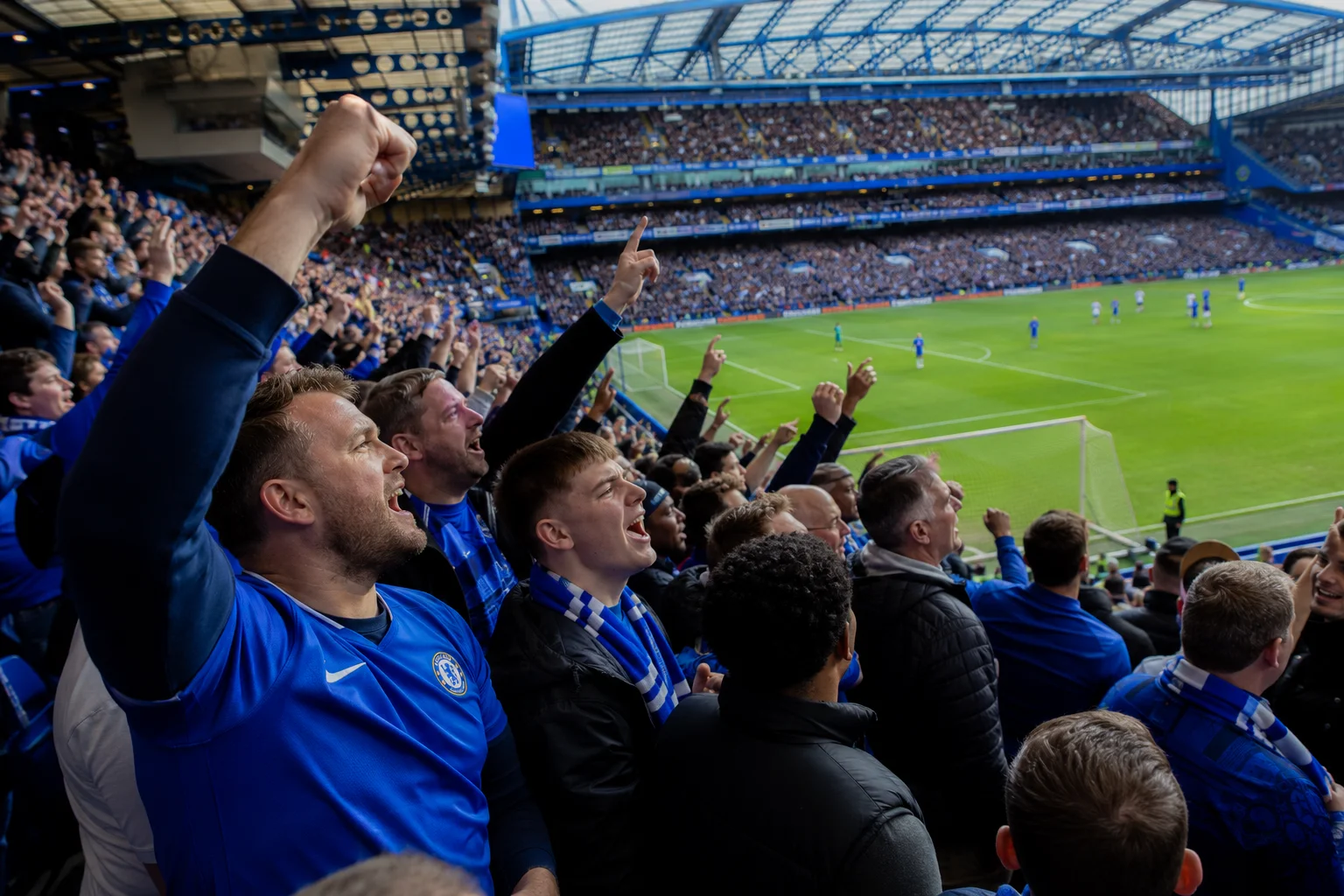
Not every ground is a fortress. Chelsea are unusual among the big clubs in running a structured general sale stage for home league games, so quick buyers can pick up Chelsea tickets at face value when the window opens. Lower-demand fixtures at clubs such as West Ham, Wolves and Burnley reach open sale more often than the league's reputation suggests.
The pattern is simple: the smaller the club and the less glamorous the opponent, the better your odds, and early-round cup ties are softer still because many season ticket packages exclude them.
WhatsApp channel
Sports news straight to your phone
Match updates, on-sale dates and ticket news from 1BoxOffice.
Digital tickets rewrote the rules this season
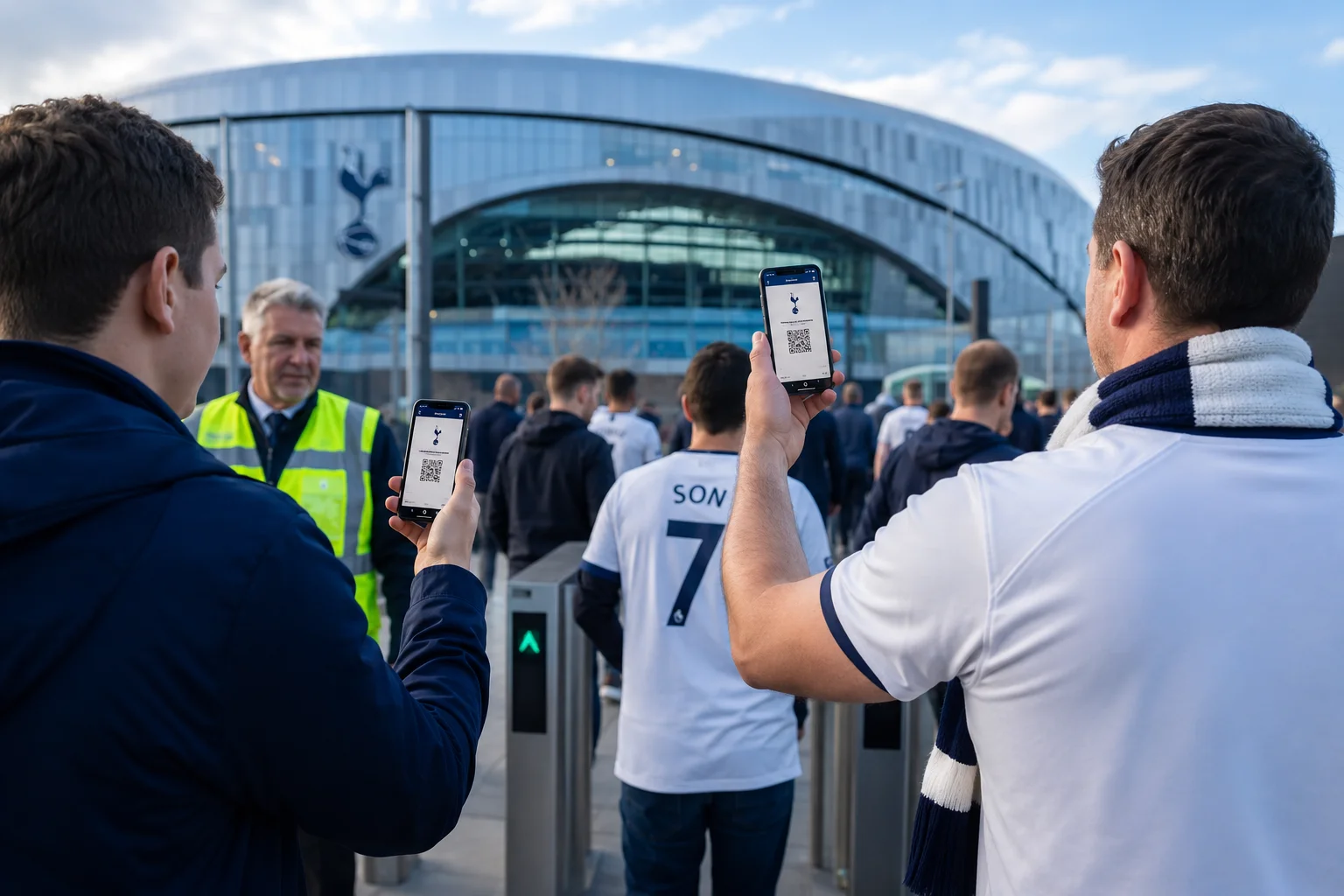
From the start of 2026/27, digital ticketing is mandatory at every Premier League club. Paper tickets, print-at-home PDFs and plastic cards have been phased out, and home transfer schemes now run through digital tickets only. Your ticket lives in your phone wallet, often with a rotating barcode or NFC tap entry.
This cuts both ways for non-members. Transfers are now traceable and secure, but it also means a screenshot of a barcode is worthless and any seller offering one is selling nothing.
Buying on the resale market, step by step
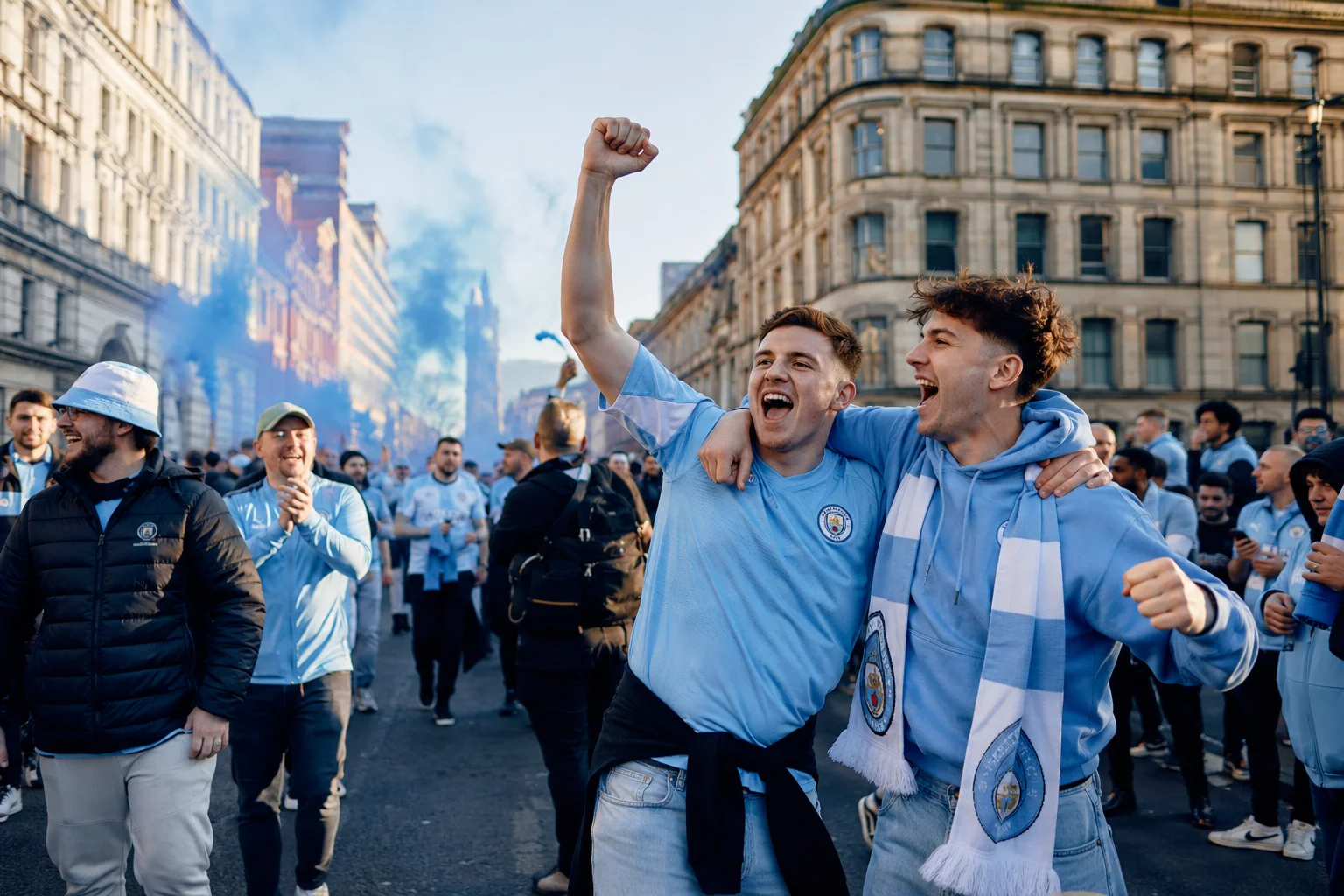
Compare prices across the fixture rather than grabbing the first listing, since identical blocks vary widely between sellers. Once you have chosen a seat, create a free account so your contact and delivery details are attached to the order, then pay by card rather than bank transfer, because card payments carry consumer protection that a transfer never does.
Digital delivery usually lands close to matchday, once clubs release ticket files to sellers. That is normal rather than a warning sign, and you can track your order at any point instead of waiting in the dark.
The law, and how fans lose £215
Under section 166 of the Criminal Justice and Public Order Act 1994 it is a criminal offence for an unauthorised person to sell or dispose of a ticket for a designated football match, and every Premier League fixture is designated. The offence targets sellers rather than buyers, so the practical lesson is to buy from platforms that stand behind the transaction, never from individuals.
Lloyds Bank reported in May 2026 that football ticket scams rose 36% across the 2025/26 season, with victims losing £215 on average and fraudsters targeting Arsenal, Liverpool, Chelsea and Manchester United fans. Most cases start on Facebook or Instagram before moving to WhatsApp and a bank transfer demand, so walk away from any seller who insists on one.
FAQs
1. Can tourists visiting the UK buy Premier League tickets?
-
Yes, visitors use the same routes as UK fans, with hospitality the most popular choice for one-off trips because the seat is confirmed at purchase.
2. Can you buy a ticket at the stadium on matchday?
-
Almost never, because fixtures sell out in advance and clubs no longer run cash turnstiles or matchday box office sales for home ends.
3. Do resale prices drop closer to kick-off?
-
Sometimes for lower-demand fixtures as sellers cut losses, but for derbies and title games the opposite usually happens.
4. Does buying a club membership guarantee a seat?
-
No, membership only grants ballot entry or an early window, and at the biggest clubs many members still miss out every match.
5. Will my name be checked against the ticket at the gate?
-
Routine checks are rare, but clubs reserve the right to spot-check, so a validly transferred digital ticket in your own wallet is the safer position.
None of this needs to be a gamble. 1BoxOffice has operated as a secondary football ticket marketplace since 2006, with every order covered by a 150% money-back guarantee.
Sources: Premier League, UK Government legislation (Criminal Justice and Public Order Act 1994, section 166), Lloyds Banking Group, Chelsea FC.