In this guide
A breakaway born from English football's lowest pointHow the competition worksWhat changes in 2026/27Every champion since 1992The 20 clubs competing this seasonWatching from home or from the standsFAQsThe English Premier League is the top division of men's football in England, contested by 20 clubs between August and May. It began on 20 February 1992 as a breakaway from the Football League and has since grown into the most watched football competition on the planet, broadcast in 189 countries and followed by an estimated 1.87 billion people every week. Arsenal enter the 2026/27 season as defending champions after ending a 22-year wait for the title.
The new campaign kicks off on Friday 21 August 2026, and demand for seats is already building across all 20 grounds. You can secure Premier League tickets for any fixture through 1BoxOffice, with every order backed by a 150% money-back guarantee.
A breakaway born from English football's lowest point
The league's origins lie in crisis. By the late 1980s English clubs were banned from European competition, stadiums were crumbling and attendances had collapsed. The country's biggest clubs, led by Manchester United, Liverpool, Arsenal, Everton and Tottenham Hotspur, pushed to break away from the Football League so they could sell television rights on their own terms.
The Football Association backed the plan in June 1991, and the FA Premier League was formally established on 20 February 1992. The first season, 1992/93, featured 22 clubs before the division was trimmed to 20 in 1995. That television-first model transformed English football's finances: the league now earns more from overseas broadcast rights than from its domestic deals, a first among Europe's major leagues.
How the competition works
Each of the 20 clubs plays the other 19 home and away, making 38 matches per club and 380 in total. A win is worth three points, a draw one and a defeat none. If clubs finish level on points, goal difference separates them, then goals scored. The champions lift the trophy in May, while the bottom three drop into the EFL Championship, replaced by that division's top two plus the winner of its play-off final.
League position also decides European qualification. In 2026/27, five English clubs compete in the Champions League after England earned an extra place through UEFA's performance rankings, with further spots in the Europa League and Conference League going to the sides just below them and to the winners of the FA Cup and Carabao Cup.
What changes in 2026/27
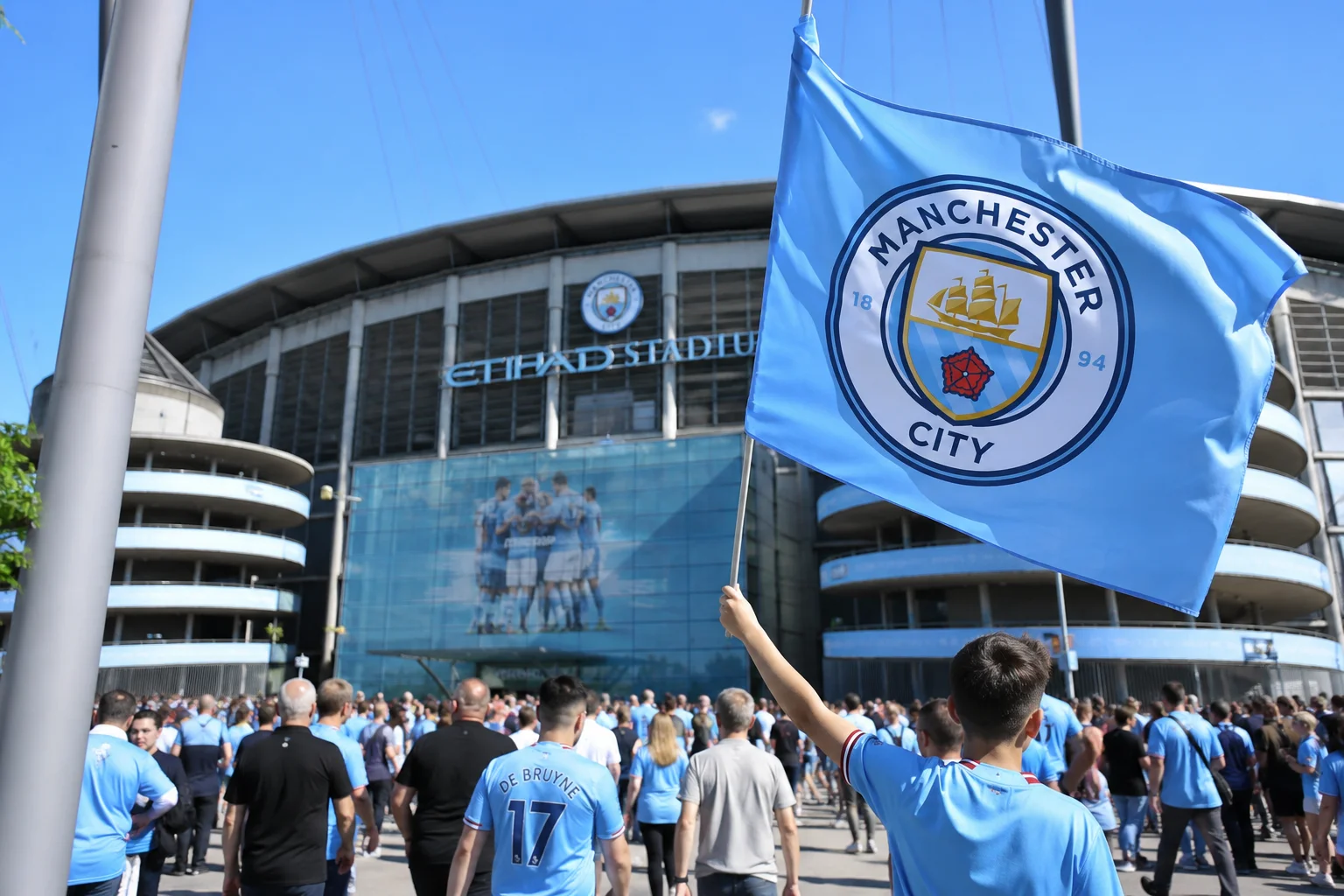
This season starts a week later than usual, on Friday 21 August, to give players extra recovery time after the 2026 World Cup, and runs until 30 May 2027. The opening fixture pits champions Arsenal against newly promoted Coventry City at the Emirates. Frank Lampard's Coventry go up as Championship winners alongside Ipswich Town and play-off victors Hull City, replacing relegated West Ham United, Burnley and Wolverhampton Wanderers.
Two other changes stand out. Gambling firms are banned from the front of matchday shirts from this season, and the traditional curtain-raiser moves venue: the Community Shield between Arsenal and FA Cup holders Manchester City takes place at Cardiff's Principality Stadium on 16 August rather than Wembley.
WhatsApp channel
Sports news straight to your phone
Match updates, on-sale dates and ticket news from 1BoxOffice.
Every champion since 1992
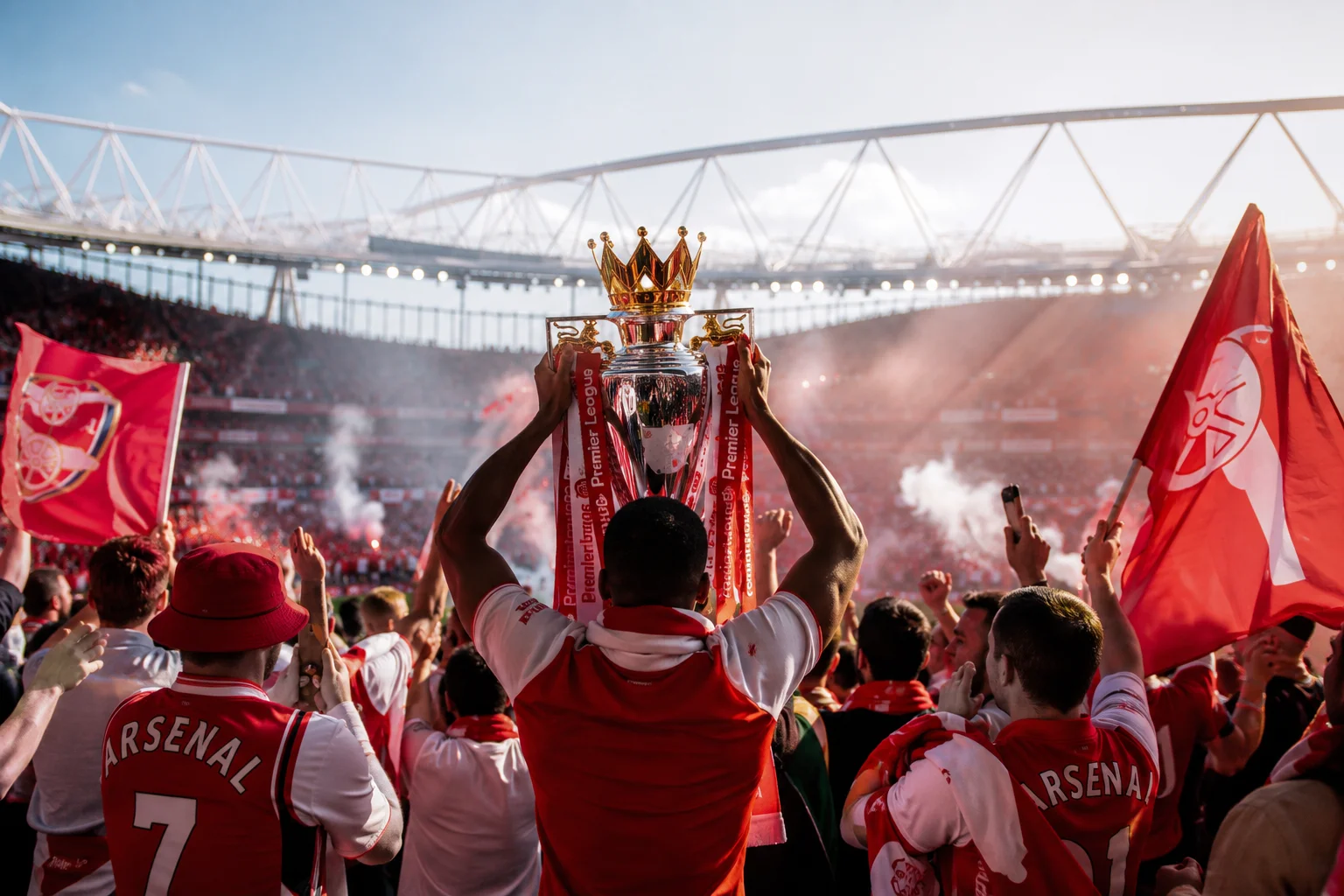
Seven clubs have won the title in 34 completed seasons. Manchester United dominated the early decades under Sir Alex Ferguson, Manchester City owned the late 2010s and early 2020s under Pep Guardiola, and Arsenal's 2025/26 triumph, sealed with 85 points, was their first since the unbeaten Invincibles campaign of 2003/04.
| Club | Titles | Most recent |
|---|---|---|
| Manchester United | 13 | 2012/13 |
| Manchester City | 8 | 2023/24 |
| Chelsea | 5 | 2016/17 |
| Arsenal | 4 | 2025/26 |
| Liverpool | 2 | 2024/25 |
| Blackburn Rovers | 1 | 1994/95 |
| Leicester City | 1 | 2015/16 |
Last season's individual honours went to Erling Haaland, whose 27 goals earned a third Golden Boot, and Manchester United captain Bruno Fernandes, named Player of the Season after breaking the record for assists in a single campaign.
The 20 clubs competing this season
Watching from home or from the stands
In the UK, live coverage is split between Sky Sports and TNT Sports, with Match of the Day highlights on the BBC. Internationally, NBC holds the rights in the United States and beIN Sports covers the Middle East and North Africa, part of a broadcast footprint reaching around 900 million homes.
Attending in person is a different challenge. Most clubs sell general-sale seats only after members and season ticket holders have taken their allocation, and the biggest fixtures rarely reach general sale at all. Verified resale platforms fill that gap for supporters without a membership, which is where 1BoxOffice, trading since 2006, comes in.
FAQs
1. Has any club gone a whole season unbeaten?
-
Only Arsenal, whose Invincibles won the 2003/04 title with 26 wins and 12 draws from 38 matches.
2. What is the record points total for a single season?
-
Manchester City's 100 points in 2017/18 remains the record for a 38-game season.
3. Which clubs have played in every season since 1992?
-
Six clubs have never been relegated: Arsenal, Chelsea, Everton, Liverpool, Manchester United and Tottenham Hotspur.
4. Who has scored the most goals in the competition's history?
-
Alan Shearer, with 260 goals for Blackburn Rovers and Newcastle United between 1992 and 2006.
5. Which manager has won the most titles?
-
Sir Alex Ferguson, who won all 13 of Manchester United's titles before retiring in 2013.
All five of last season's top five enter the Champions League this term, so midweek European nights will shape the title race as much as Saturday afternoons. If you want to follow English clubs on both fronts, 1BoxOffice covers domestic and European fixtures alike, with the same 150% money-back guarantee on every order.
Sources: Premier League, Sky Sports, BBC Sport. 1BoxOffice is not the official ticket agent of any club, league or federation.