In this guide
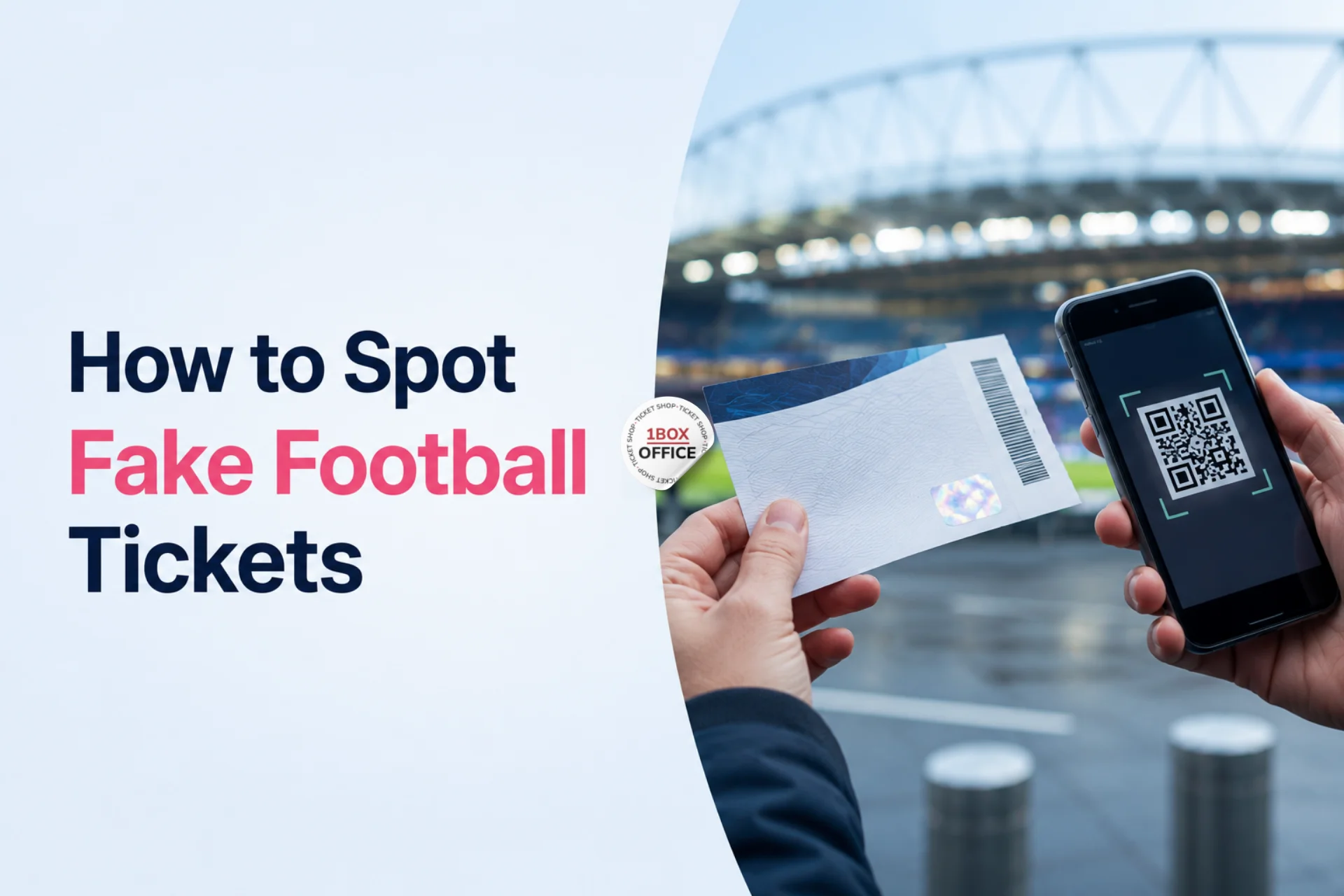
Why August Is a Fraudster's Favourite MonthThe Playbook Has Moved OnlineRed Flags That Should End the ConversationWhat UK Law Requires From a Genuine Resale ListingHow to Buy for the New Season Without Getting BurnedFAQsFootball ticket scams reported to Lloyds Bank rose 36% between October 2025 and March 2026, with the average victim losing £215. As the 2026/27 season kicks off, the fraudsters who spent the summer working World Cup crowds are switching straight back to club football. Spotting fake football tickets today has little to do with paper stock or holograms; it is about reading the seller, the platform and the payment request before any money moves.
The scale tracks demand. Almost a third of every ticket scam Lloyds records involves football, and supporters hunting Premier League tickets for sold-out fixtures are the prime target. Lloyds found fraudsters concentrate on fans of Arsenal, Liverpool, Chelsea and Manchester United, along with anyone chasing the FA Cup Final or the Champions League Final.
Why August Is a Fraudster's Favourite Month
 The opening weeks of a new season compress a year of demand into days. Opening fixtures sell out, new signings pull casual fans back and supporters who missed out on memberships go hunting for a spare seat online. That urgency is the raw material of every ticket scam, because a buyer scared of missing the match asks fewer questions.
Total losses jumped 42% year on year in the Lloyds data, and both the bank and the Home Office expect the pattern to carry into 2026/27. A summer of tournament football has also left millions of fans comfortable buying tickets from strangers online, which is exactly the habit criminals exploit.
The Playbook Has Moved Online
 The mechanics barely vary. A seller posts a spare ticket on Facebook or Instagram, moves the conversation to WhatsApp, insists on a bank transfer and disappears the moment the money lands. Lloyds says the overwhelming majority of cases it sees begin on social media, and the bank transfer is the tell: legitimate marketplaces never ask you to pay a stranger's personal account.
The 2026 fraud warnings also flagged three newer tricks: counterfeit QR codes built to mimic genuine mobile tickets, fake waiting lists that harvest personal details and bogus pre-release offers for matches that have not gone on sale. A QR code that scans on your phone proves nothing; only the turnstile reader decides whether a barcode is live.
Red Flags That Should End the Conversation
Any one of these is reason enough to walk away, whatever the fixture:
- The seller will only accept a bank transfer, cryptocurrency or a payment app with no buyer protection.
- A sold-out derby or cup tie is priced below face value with no explanation.
- The listing started on social media and the seller pushes to continue on WhatsApp.
- You are sent a screenshot or PDF as proof; both can be copied and sold to a dozen buyers at once.
- The seller claims access to tickets before the club or competition has released them.
- Pressure tactics appear: countdown timers, other buyers waiting, pay in the next hour.
WhatsApp channel
Sports news straight to your phone
Match updates, on-sale dates and ticket news from 1BoxOffice.
What UK Law Requires From a Genuine Resale Listing
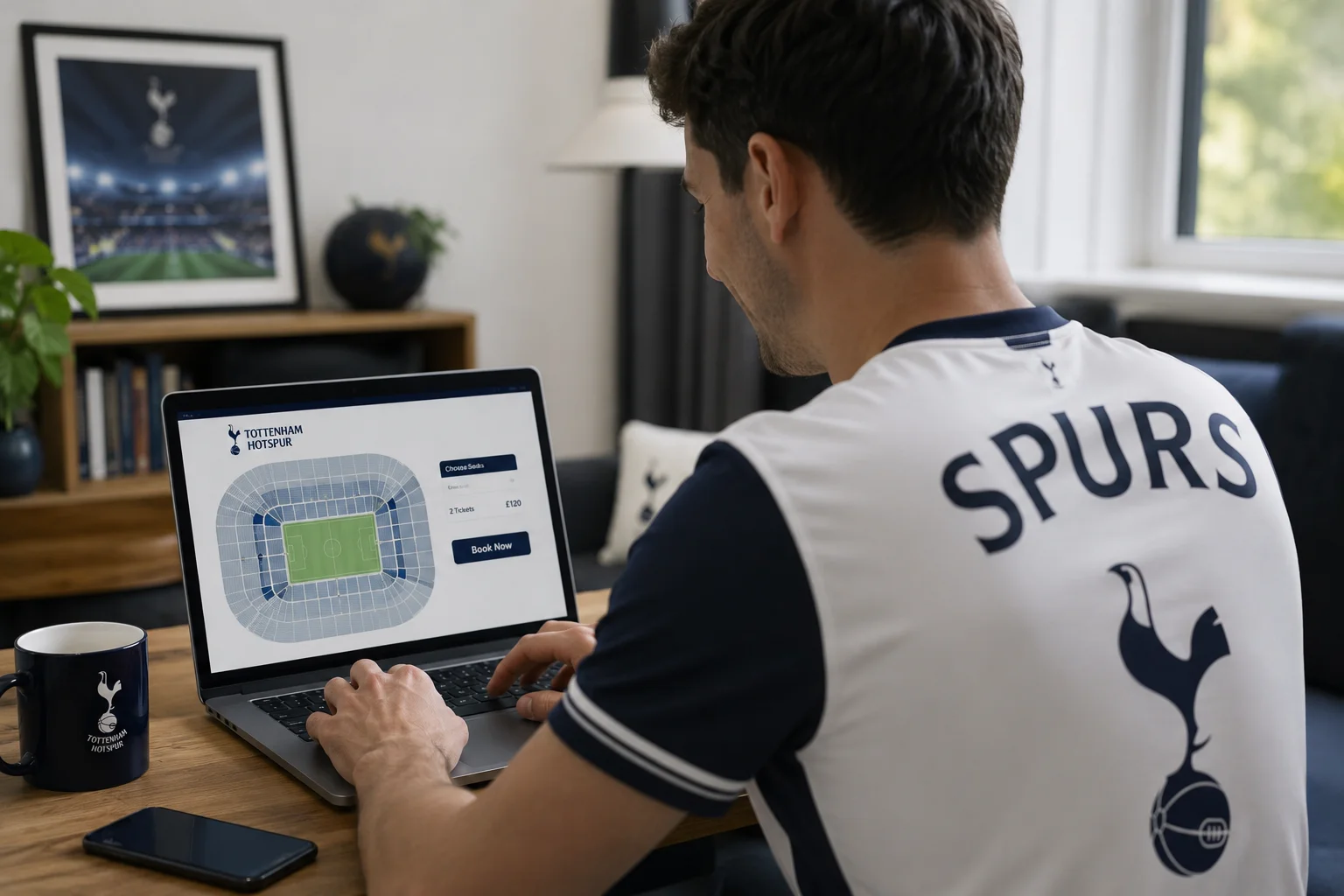
The Consumer Rights Act 2015 sets out what a resale listing in the UK must tell you: where the seat is, including block, row and seat number where applicable, the face value of the ticket and any restrictions that could stop you getting in. A listing that hides all three is either careless or hiding something, and a private seller on WhatsApp will rarely provide any of it. Deliberately selling a ticket that does not exist or has already been used is an offence under the Fraud Act 2006.
Change is coming but has not arrived. The Draft Ticket Tout Ban Bill announced in the King's Speech in May 2026 would cap resale prices at face value plus fees, yet it remains a draft under parliamentary scrutiny and is not law for the 2026/27 season. This is general guidance, not legal advice.
How to Buy for the New Season Without Getting Burned
Pay by card, always. Card payments carry chargeback rights and, for purchases over £100, Section 75 protection under the Consumer Credit Act 1974, neither of which exists on a bank transfer to a private individual. Buy from an established marketplace with a published guarantee and a track record rather than a profile created last month.
Established platforms also have a commercial reason to police their own listings before a fake ever reaches a buyer.
FAQs
1. Who should I report a football ticket scam to?
-
Report it to Action Fraud in England, Wales and Northern Ireland, or to Police Scotland on 101 if you live in Scotland.
2. Can my bank refund money lost to a ticket scam?
-
UK banks must reimburse most authorised push payment fraud under rules introduced in October 2024, so contact your bank as soon as you realise.
3. Is a ticket ever genuinely sold below face value?
-
It happens for low-demand fixtures, but a discount on a sold-out match is almost always bait rather than a bargain.
4. Does the name on a resale ticket need to match mine?
-
Usually not, as most clubs do not check ID at the turnstile for general admission, though some high-profile fixtures apply stricter entry conditions.
5. When should I test my mobile ticket?
-
Open it in the club's app or your wallet the day it arrives, so any transfer or delivery issue can be raised with the seller well before matchday.
Every scam in the Lloyds data needed a rushed buyer to work, so take the extra five minutes. For the safety net, 1BoxOffice has sold verified tickets since 2006 with a 150% money-back guarantee behind every order.
Sources: Lloyds Banking Group, the Home Office and TheTicketingBusiness.